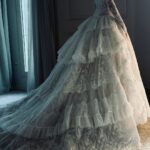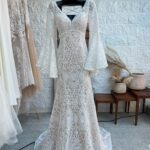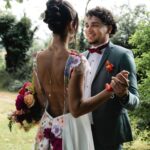
The deciding factor is whether your venue has the space and surface for the skirt you choose, since a narrow aisle turns a ballgown silhouette into a plow and grass drags a lace train that photographs beautifully from behind.
[link-whisper-related-posts]1. Long-sleeved Lace Gown
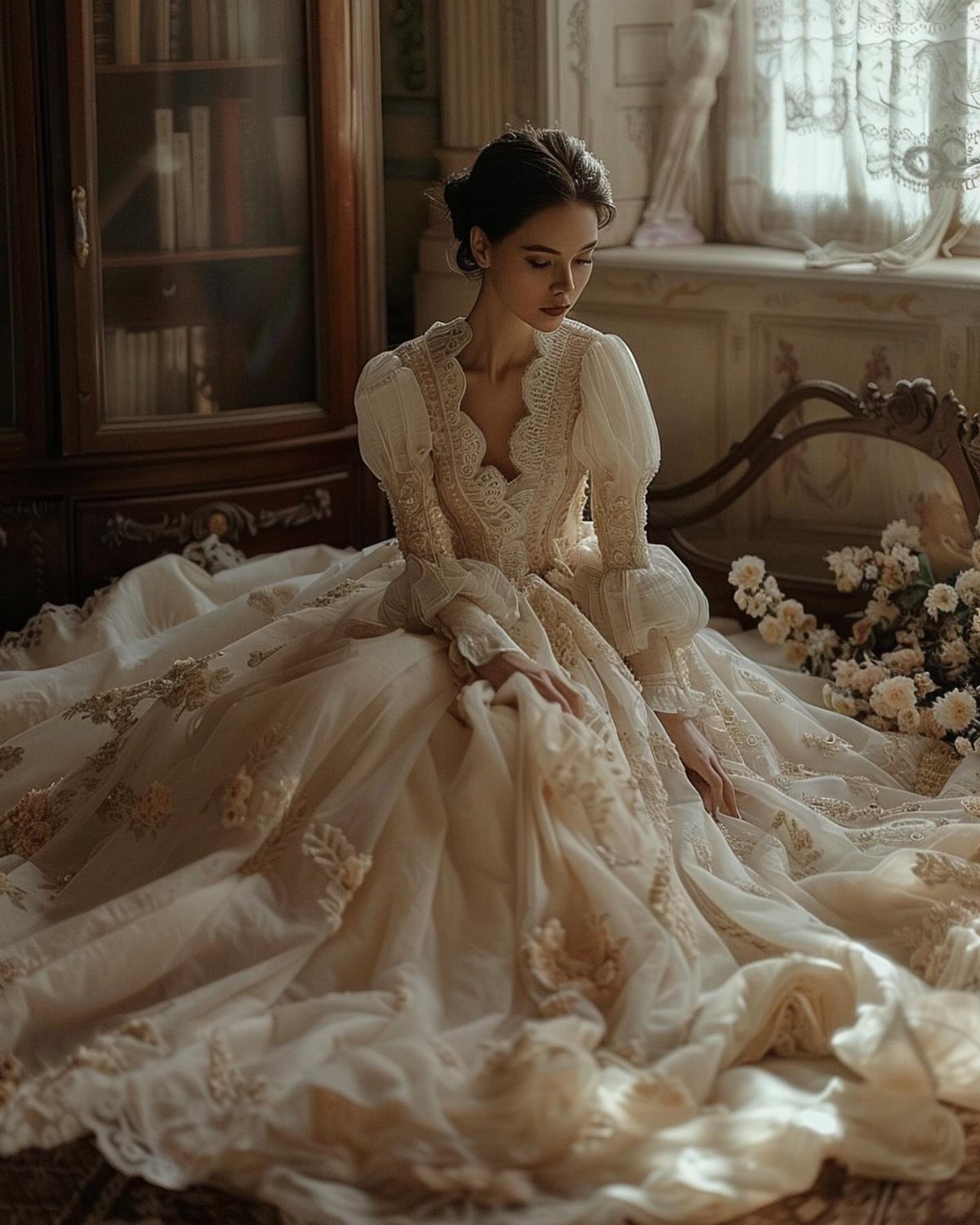
Long sleeves in lace read as modesty with a pulse; the Victorian era treated bare arms as informal, and the mock neck keeps that formality without a literal collar.
The floral patterns in the lace do the ornamenting so jewelry stays minimal, which helps when the dress itself runs high.
A-line skirts move easier than they look; I have seen brides forget this and budget for a second reception outfit they never changed into. The train photographs well from behind but drags on grass, so the aisle matters.

Classic Rococo Vintage Silhouette: Romantic vintage rococo styling featuring square neckline, puff long sleeves and tiered ruffle hem. Front lace-up corset detail shapes an elegant noble lady look.

Feature: Long Sleeve;Lace;Satin;with ruffles;Floor Length;Lace up back
2. Corset Bodice
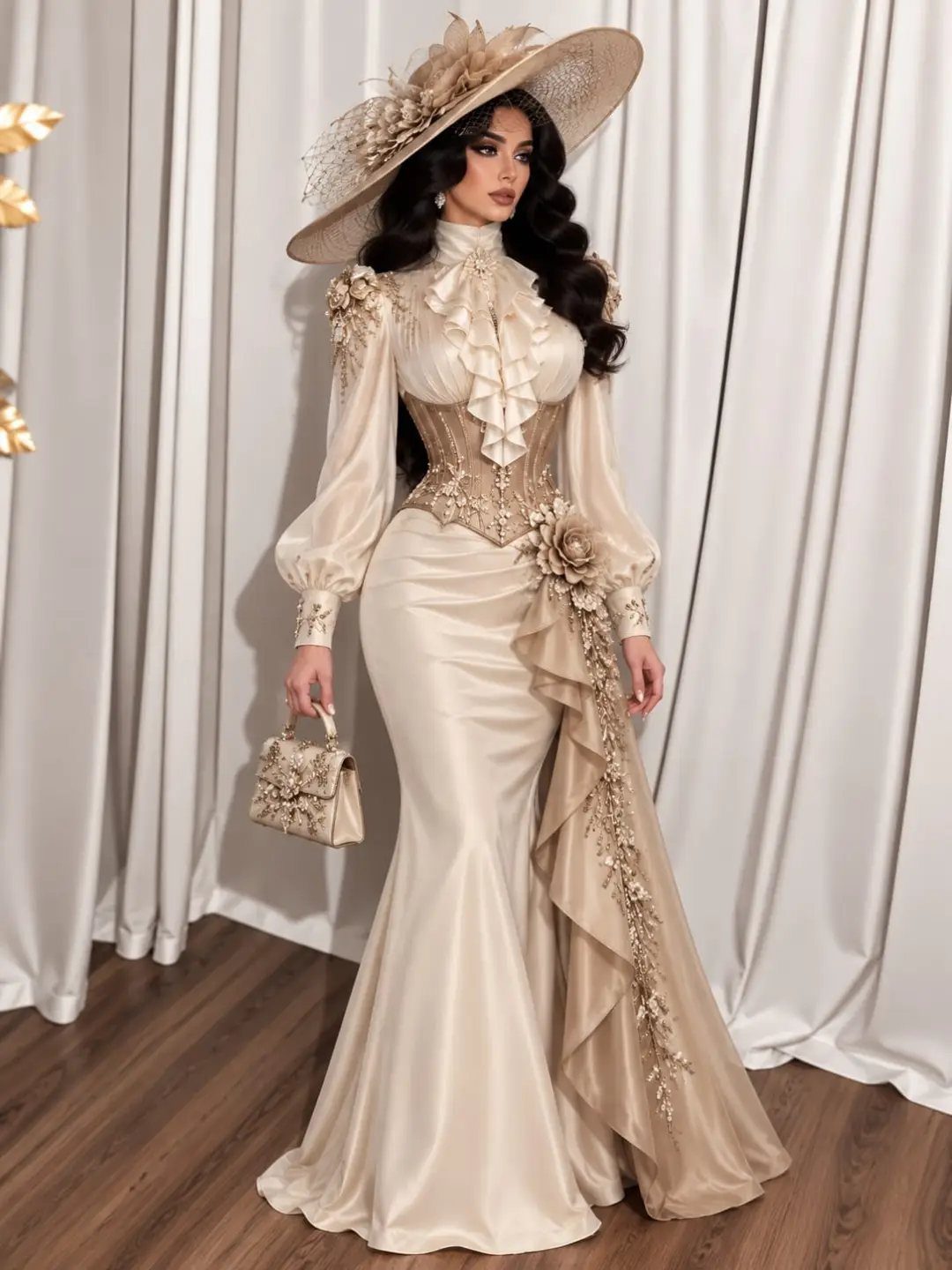
A corset bodice gives structure that off-the-rack dresses often fake with boning that warps by the final hour.
Ribbon ties on the sleeves are a detail I would skip or commit to fully; half-done looks like a costume department afterthought. This cut pairs with flowing skirts because the waist already shouts, and a second focal point fights it.
For bust measurements that sit between standard sizes, the lacing buys you an inch or two of adjustability that zippers refuse. Dry clean only, and the satin shows water spots from toasts.

Garment Care: Only hand-wash in cold water and no tumble dry, or the boned corset structure will be deformed. Wash dark colors separately

DESIGN: Elegant strapless ball gown silhouette featuring a romantic sweetheart neckline and voluminous tulle skirt perfect for a fairytale wedding

ELEGANT STYLE: Make your entrance with an air of elegance in this stunning formal maxi dress, designed to turn heads at weddings, galas and evening events.
3. Ruffled Skirt
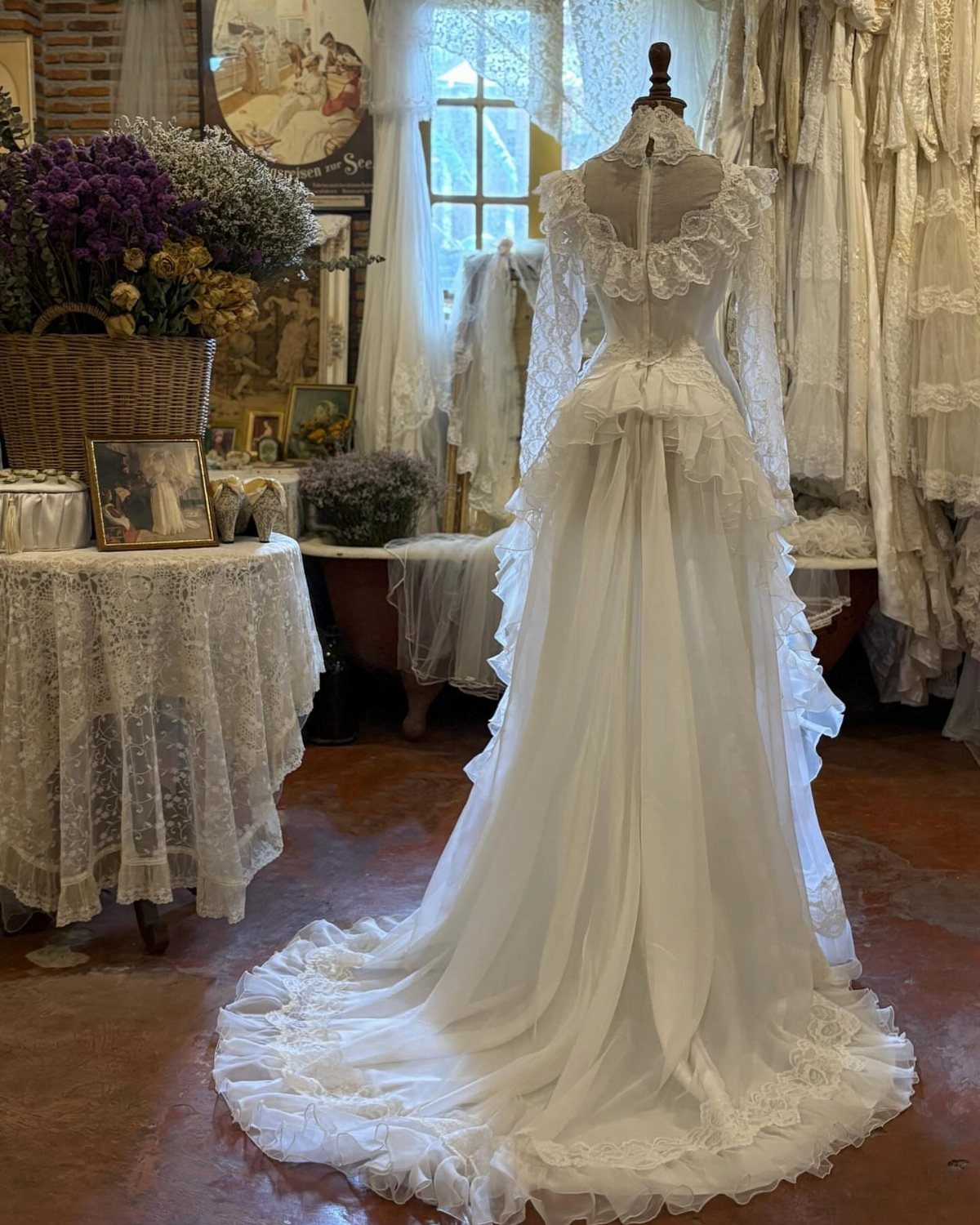
Ruffles eat fabric and budget, but they also hide a lot of petticoat problems; the volume looks like intentional excess rather than cheap underpinning.
Organza keeps the tiers lighter than tulle would, which matters when you are standing for an hour of photographs.
Lace appliqués on the train edge catch and rip; I would check whether the shop reinforces them or if that becomes your first anniversary repair.

ELEGANT STRAPLESS DESIGN: Make a statement in this stunning strapless midi dress featuring a gathered bodice and flattering fitted waist that enhances your natural silhouette

Size Guide: S=US 4-6, M=US 8-10, L=US 12-14, XL=US 16.

FULL SKIRT DESIGN: This women's long cotton skirt bottom hem is 32ft with ruffles decoration, 360 degrees circle hems cutting give it enough volume to flow. With built-in short underskirt.Full elastic waistband,easy to put on.
4. Puffed Sleeves
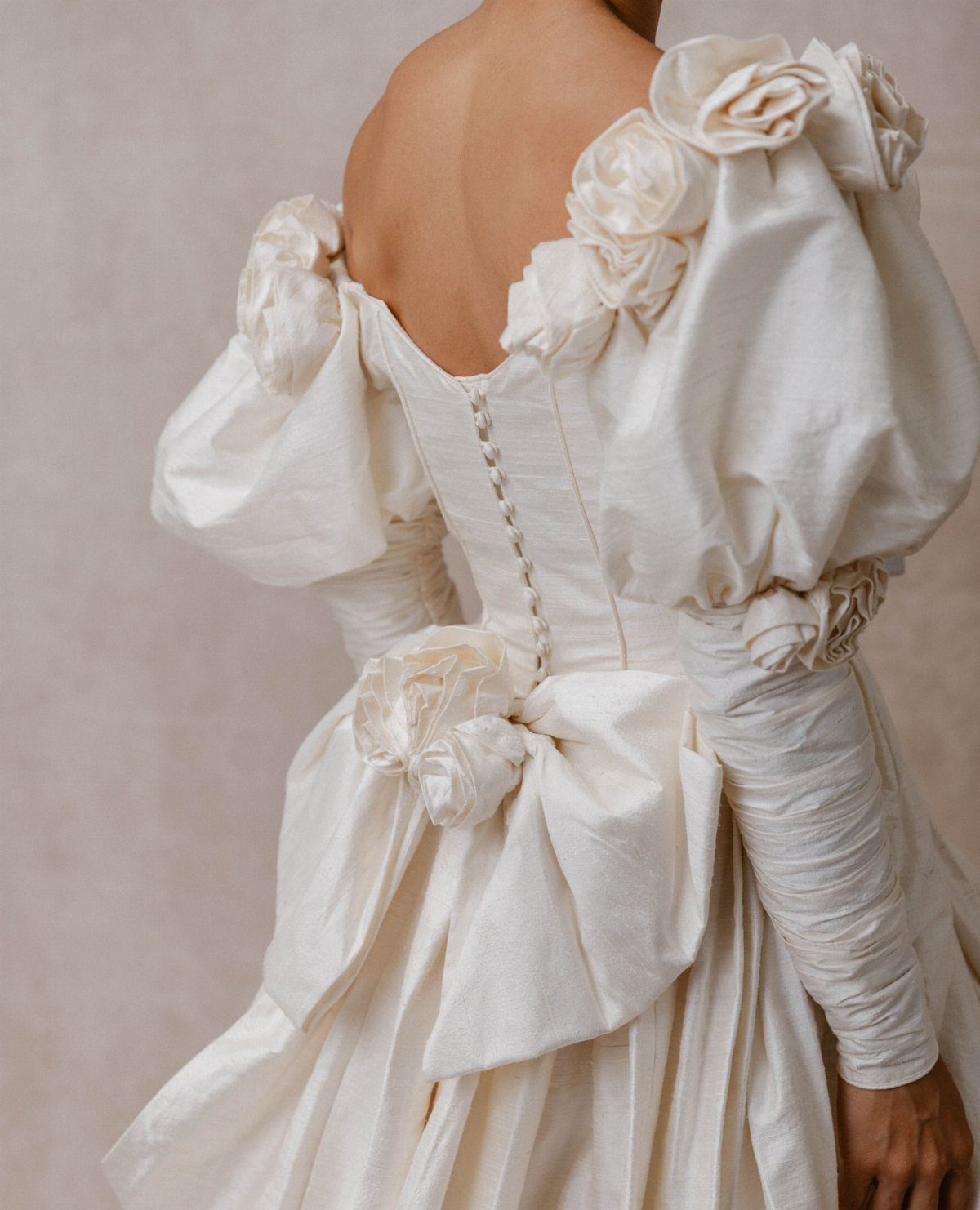
Puffed sleeves balance a corseted waist by widening the shoulder line; without them, the torso can read as elongated to the point of oddity.
The off-shoulder version risks a constant hitch upward, so I would test arm-raising during fitting. Long gloves extend the line but complicate ring exchanges; fingerless lace solves this and still reads period-appropriate.
Ivory rather than pure white softens against most skin tones, a fact the Victorians knew and modern bridal shops sometimes forget in their lighting.

Premium Cotton Fabric - Lightweight, breathable, and sweat-wicking to keep your baby cool and comfortable in summer heat. Hypoallergenic and gentle on sensitive skin, perfect for all-day wear. The baby girl summer outfits moisture-wicking material is gentle on sensitive skin, ideal for hot weather and active play.

Vintage Lace Ruffle Design: Layered ruffles, delicate lace trim and a flowing full skirt create a romantic vintage-inspired look with beautiful texture and movement for photography.

1 Pair Puff Sleeves: Package includes 1 pair/2pcs black sleeves. Each is 19cm/7.48 inch wide, 26cm/10.24 inch long, 2mm thick, the complete pair can meet your need
5. Ballgown Silhouette
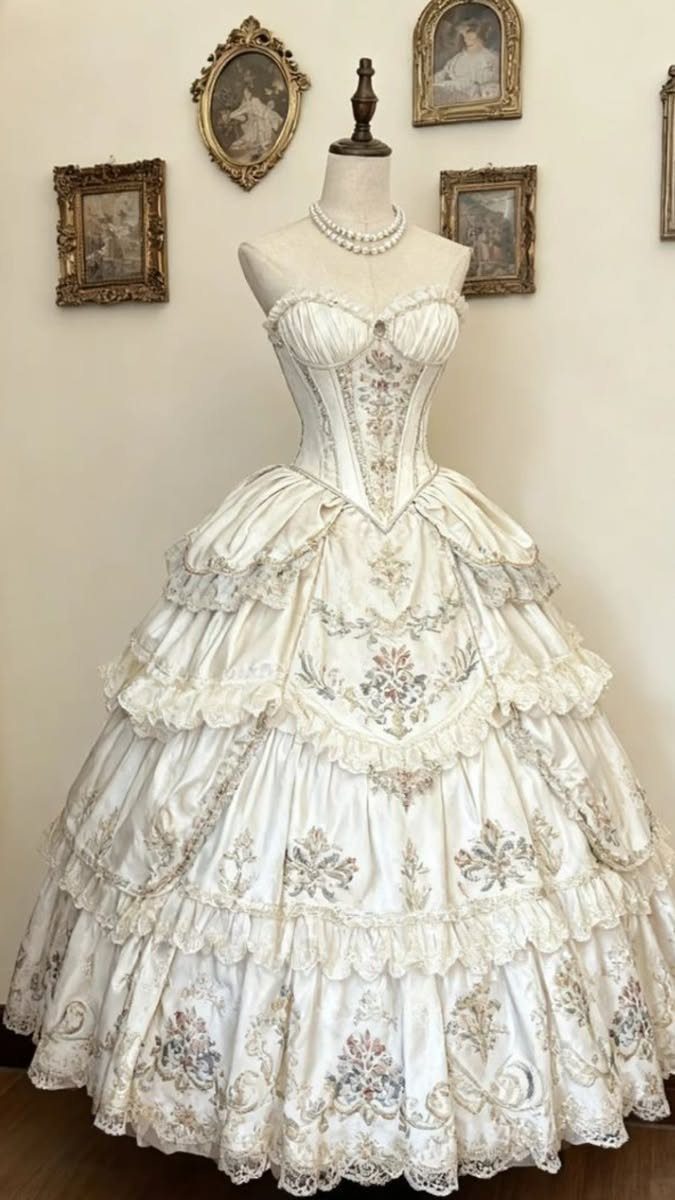
The ballgown silhouette is the most formal entry here, and it demands space; a narrow aisle turns the skirt into a plow.
Fingerless lace gloves work practically but read as steampunk-adjacent to some guests; I would own that or omit them. This is the shape to choose when the venue has stairs, columns, or any architecture that rewards a grand gesture.

Fabric: Lace appliques, Tulle

OFF-THE-SHOULDER NECKLINE: Features a classic scalloped neckline with removable long lace sleeves, letting you switch between a romantic long-sleeve look and a sleek strapless style.

Features:Plus Size Long Sleeve Wedding Dresses for Bride,Lace Applique and Soft Tulle Material,Breathable and Skin-Friendly,This Wedding Dress is Soft and Comfortable,Adds an Elegant,Charming and Mature Aura to you,Let You to be a Most Beautiful Bride
6. Black Lace Victorian Style Wedding Dress
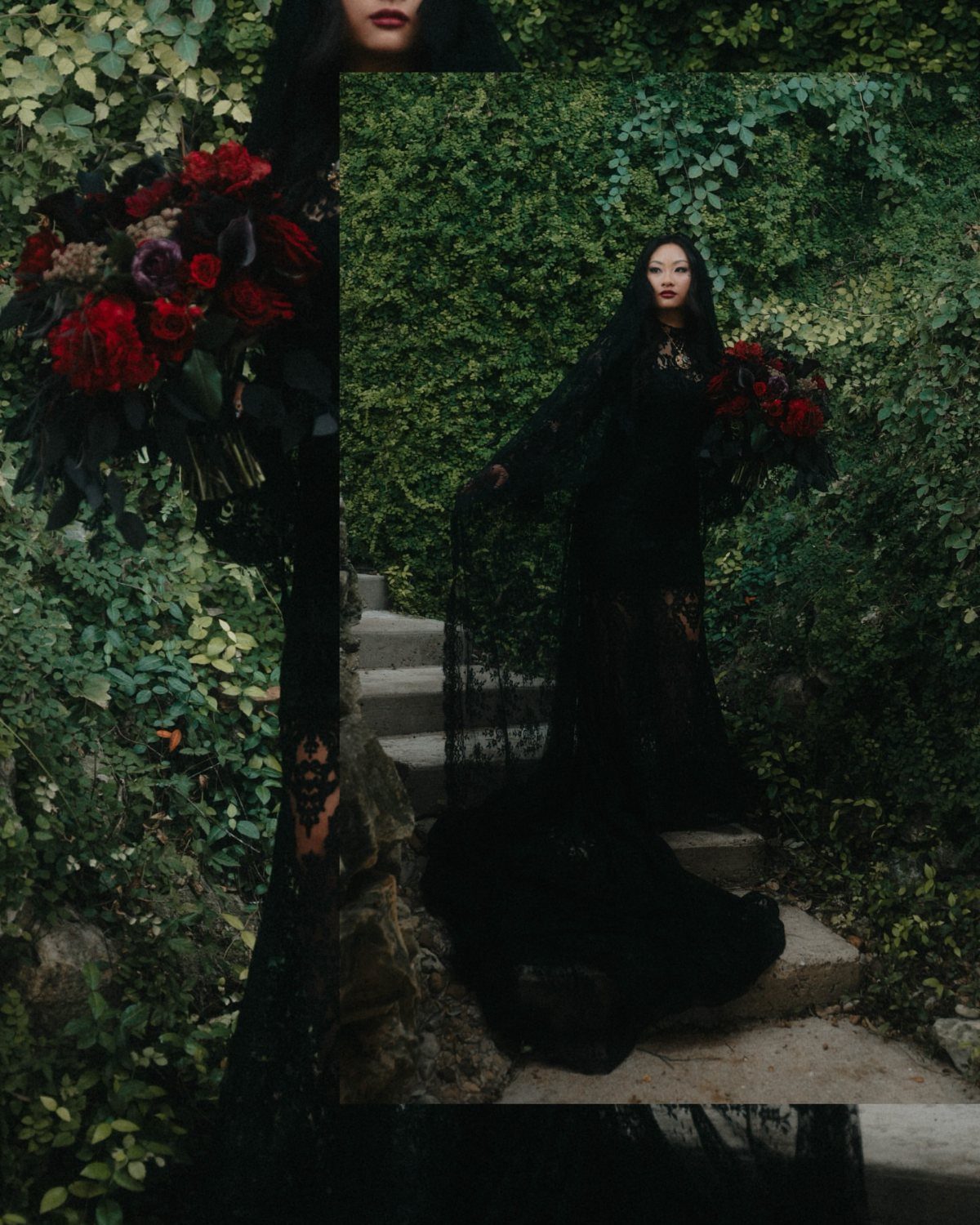
Black lace over cream tulle gives depth that solid black flattens; the embroidery shows as texture rather than pattern, which photographs more mysteriously than it reads in person.
The V-neck drops lower than Victorian norms strictly allowed, a modern concession I would keep for breathing room. Dark bouquets against black lace risk muddying the whole look; burgundy works because it carries enough red to separate from the dress.
This is the choice for a bride whose second thought runs to whether she will wear the dress again, because the answer is closer to yes than ivory allows.

goth dress plus size pink lolita dress mesh sleeves medieval dress for women corset dress for women goth clothing medieval tunic steampunk dress 80s prom dress for women renessaince dress costume women lolita dress plus size women's costumes & accessories lolita dress for women 1700s dress gothic dress blue lolita dress oktoberfest costume plus size costume viking dress medieval costume plus size french maid costume medieval corset medieval dress for women

Sexy Curves -- Mermaid dress is adorned with delicate lace shell, eyelash lace details and off shoulder design.

Feature: Long Sleeve;Lace;Satin;with ruffles;Floor Length;Lace up back
7. Ivory Lace Victorian Style Wedding Dress
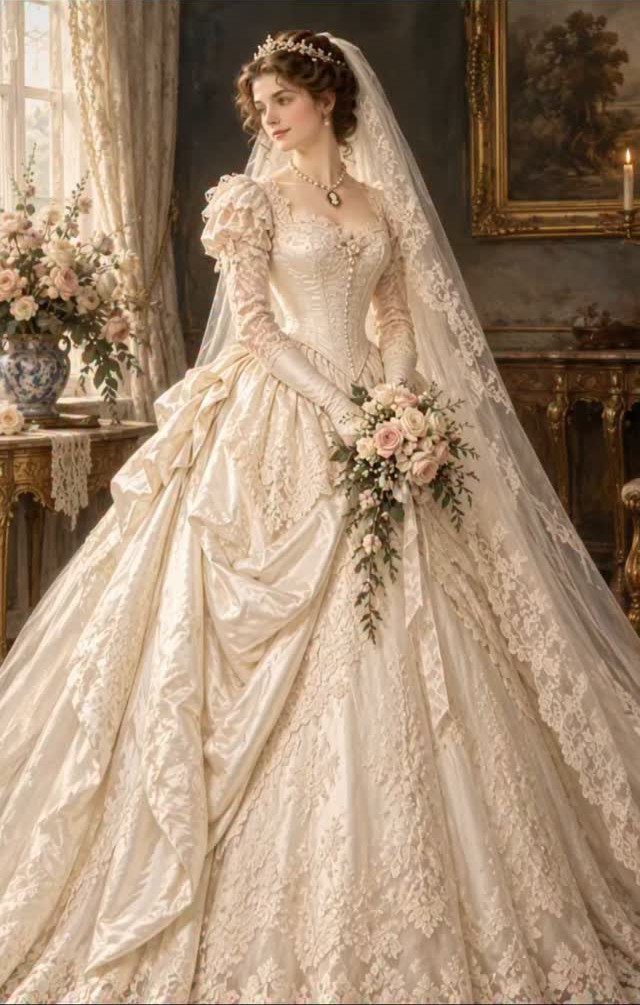
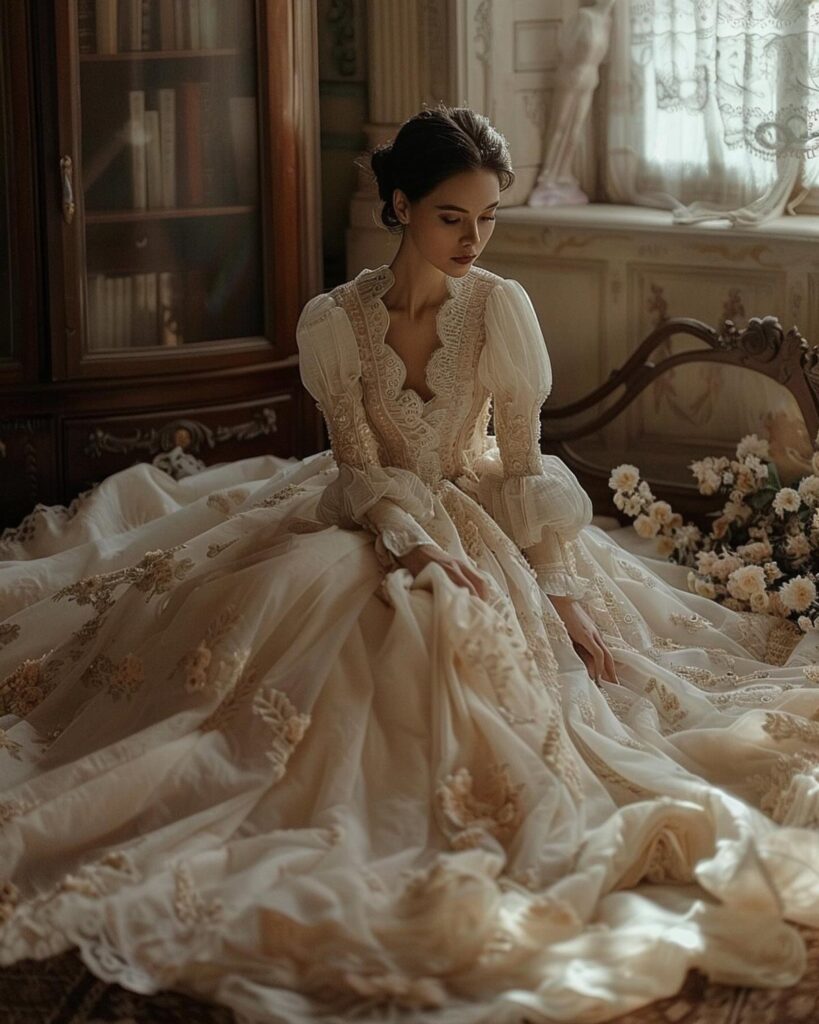
Ivory lace reads softer than white under outdoor light, which is where most ceremonies land. The high neck and long sleeves keep the Victorian formality without the weight of a separate jacket or bolero.
Floral embroidery in the same tone adds texture that flat light would otherwise flatten; I would ask the shop to photograph the sample against a window, not under spotlights, before deciding.
The voluminous tulle skirt needs a loop for dancing, not optional unless you plan to stand all night. Cream lace-up boots finish the line but run narrow; order early enough to break them in.

Premium Satin Corset Lace – High-quality satin ribbon, smooth and soft, gentle on delicate bridal fabrics, perfect for elegant dress transformations.
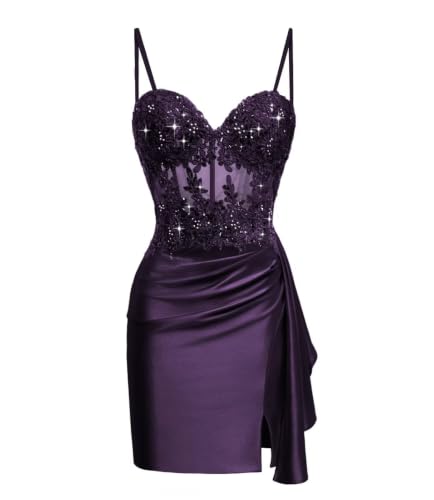
FABRIC: This short dress for women made of sparkly lace appliques top with boned structure and high quality satin skirt,100% hand made, every detail is designed with comfort and confidence in mind. Spaghetti straps, adjustable a lace-up corset back, and a built-in bra create a personalized fit that enhances your natural shape while allowing comfortable movement for dancing, walking, and celebrating

8. Pale Pink Victorian Gown
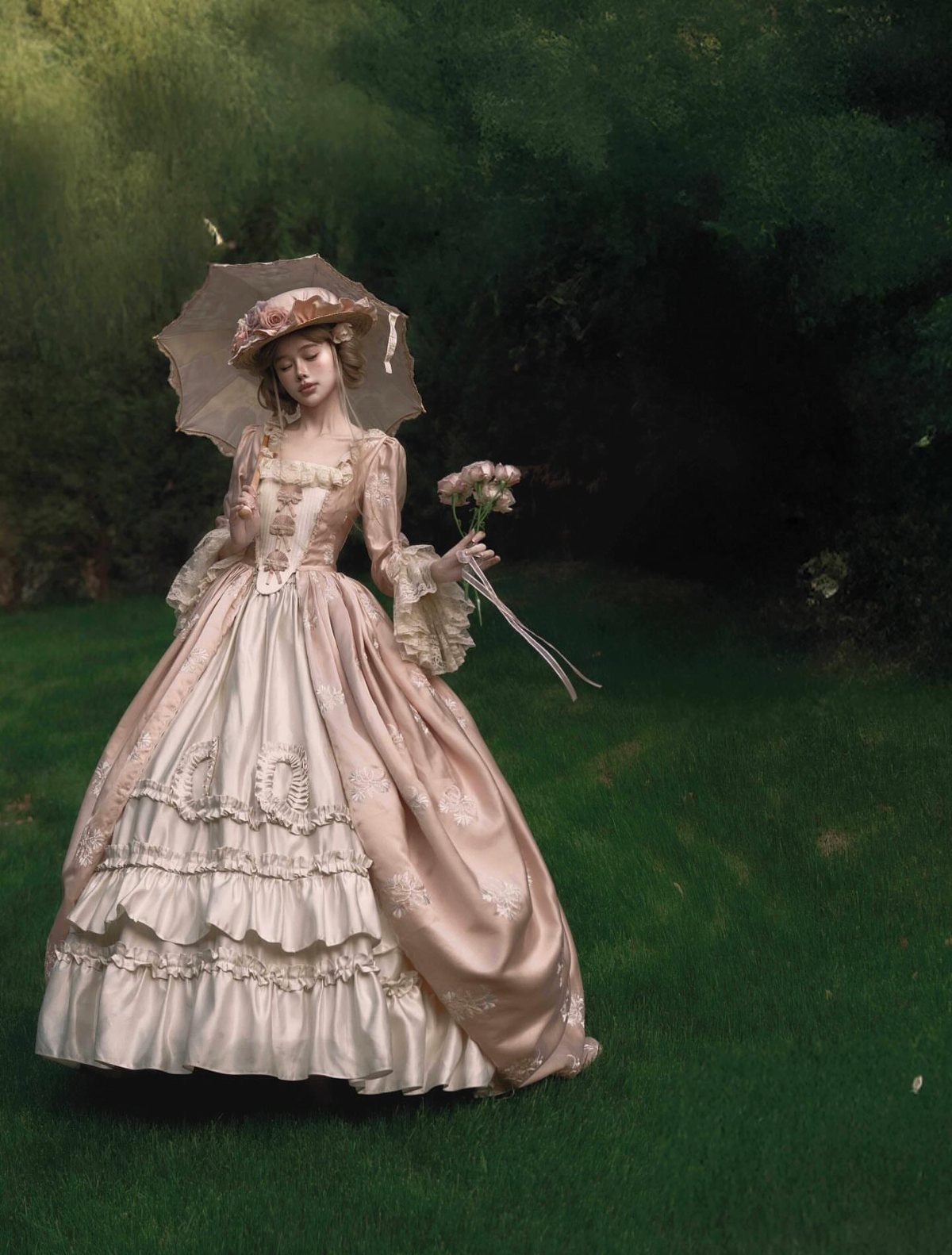
Pale pink works when the venue has greenery or stone, anything that keeps it from reading as a faded bridesmaid dress. The wide-brimmed hat photographs as silhouette more than color, so the brim shape matters more than the ribbon.
Ruffled tiers in tulle pick up wind outdoors; a weighted hem or a shorter front panel keeps the skirt from becoming a sail.
I would check whether the parasol is included or rented separately, since matching dyed fabric rarely matches later. This is the choice for a bride whose venue already feels like a garden and does not need more decoration.

LACE OVERLAY: An all-over floral lace overlay and ruffled lace sleeves give this lace mini dress the romantic vibes of party season.

Material: This women's fairy tiered tulle skirts are made of high quality soft tulle, with a lightweight and soft lining, elastic waistband provides a stretchy, comfortable fit
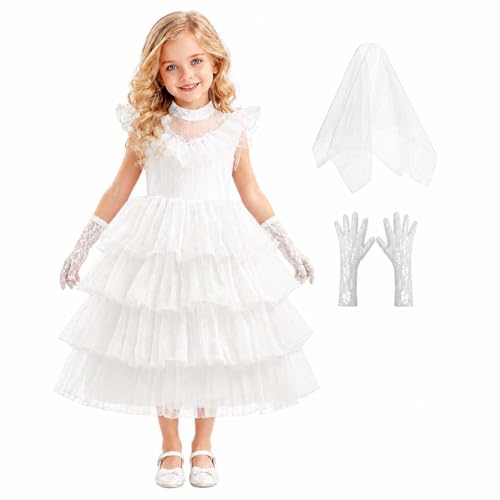
Complete Dress Set – Includes a tiered tulle princess dress, a pair of lace gloves, and a matching lightweight veil for a polished and charming look.
Where to Buy Victorian Dresses
Online retailers carry the bulk of Victorian reproductions, though the corset boning quality varies wildly between listings.
I would order swatches before committing, especially for ivory lace that shifts under natural light. Vintage shops carrying true 1880s dresses are rarer than general Victorian stock; most run out around the flapper era, so calling ahead saves a trip.
Custom dressmakers can source reinforced lace appliqués for train edges, but that reinforcement adds labor cost and weeks to the timeline.
The Pinterest boards show bustle skirts and lace-up boots as paired details; a maker who does both from the same dye lot avoids the matching problem the pale pink entry warns about.

[1950s dress for women vintage] This vintage cocktail dress features with cap sleeve, sweetheart neckline, back center zipper, empire waist, knee length.

1 Pair Puff Sleeves: Package includes 1 pair/2pcs white sleeves. Each is 19cm/7.48 inch wide, 26cm/10.24 inch long, 2mm thick, the complete pair can meet your need

Features: Boatneck, Puff Short Sleeve, Concealed zipper at back ,There are pockets and belts for easier dressing
What to Wear to a Victorian Themed Wedding
Guests at a Victorian themed wedding face the same fabric traps brides do. Lace reads period-appropriate on anyone, but a full corset bodice on a guest can steal focus from the actual dress.
I would aim for one Victorian element, not five: gloves if the ceremony is formal, a floral headpiece if it is outdoors, not both.
The off-shoulder neckline that works on a bride risks the constant hitch upward on a guest who is carrying a gift or a drink.
Ivory and cream are risky territory for a guest at any wedding, and the same goes for black lace over a light underlayer. I would stick to deeper colors unless the couple has specifically asked guests to wear something else.

Sexy Curves -- Mermaid dress is adorned with delicate lace shell, eyelash lace details and off shoulder design.

ELEGANT DESIGN: Stunning A-line wedding dress featuring a sweetheart neckline and beautifully detailed bodice with intricate embellishments

Strapless Lace Train Bohemia Bridal Ball Gown Mermaid Wedding Dresses for Bride with Detachable Long Sleeves
Bridal Accessories
For the veil, the Pinterest boards show sheer and tulle lengths that drag; the ballgown entry already warned about narrow aisles, and a long veil adds a second plow.
I would pin or loop it for the reception, not optional unless standing all night. Floral headpieces need anchoring; the ruffled skirt entry notes how wind treats lightweight fabric, and the same applies to anything pinned in hair.
Pearl necklaces appear in the Pinterest imagery, but the long-sleeved lace entry already advised minimal jewelry since the dress does the ornamenting.
Historical Influences
Bustles and high necks mark the dominant bridal silhouette of the bustle period, not the full Victorian era before or after.
Corsetry as structure, not decoration, belongs to the mid-century; the ribbon ties the corset entry warns against are a later theatrical addition.
Victorian brides sometimes wore black to honor a deceased relative or simply because it was the most expensive fabric they owned, and that history is worth knowing if guests ask why the bride wore black.
Frequently Asked Questions
What did Victorian wedding dresses look like?
High necks, long sleeves in lace, and structured bodices were standard, with bare arms considered informal.
Bustle-period skirts carried volume at the back rather than all around, and floral embroidery or lace appliqués handled the ornamenting so jewelry stayed minimal.
Color choices surprised me when I first looked at period photographs. Mourning customs meant some brides wore black to honor the dead, and for others the deep shade simply marked what they could afford.
Where can I buy Victorian style dresses?
Online retailers carry most reproductions, though corset boning quality varies enough that I would order fabric swatches before committing, especially for ivory lace that shifts under natural light.
Shops that bill themselves as vintage rarely reach back past the 1920s. An authentic 1880s bodice or bustle skirt is a needle in a haystack, so I phone before I drive.
A dressmaker who works with historical patterns can order heavier lace for the train so it does not shred on pavement, but that specialty fabric and hand-finishing will add both money and waiting time.
What did brides wear in the 1800s?
White or ivory dresses with lace and long sleeves dominated by the mid-century, though the strict white wedding was still spreading and black remained acceptable.
Corsetry served as structure rather than decoration during the bustle period, and high necks with fitted bodices paired with voluminous skirts or draped trains.
Gloves and veils in tulle or sheer lengths completed the look, with pearl necklaces appearing in portraits though the dresses themselves already carried enough ornament.