1989 wedding dresses went big on puffed sleeves, lace, long veils, and floral headpieces, and the right choice depends on whether you want one signature element or the full layered look.
[link-whisper-related-posts]1. Puffed Sleeves
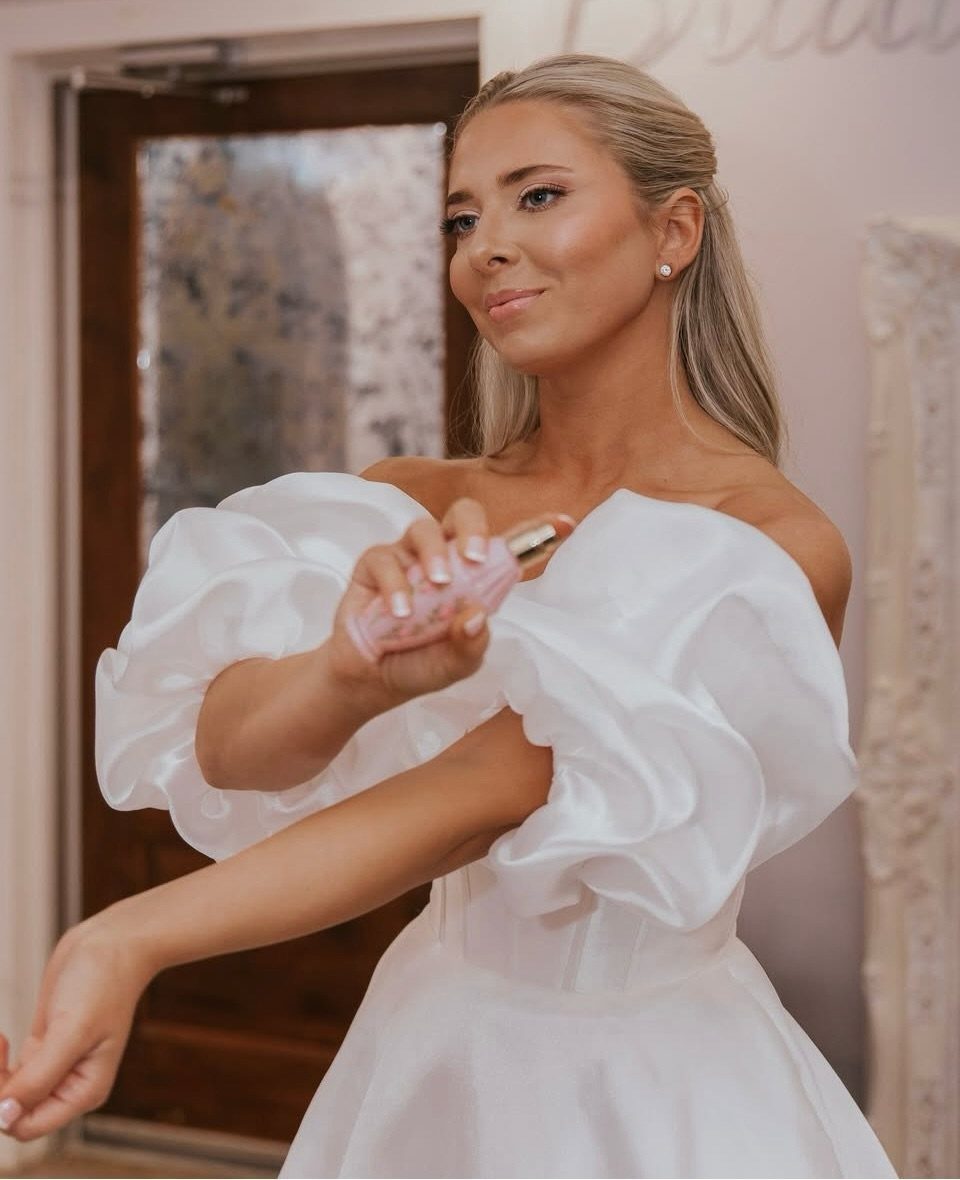
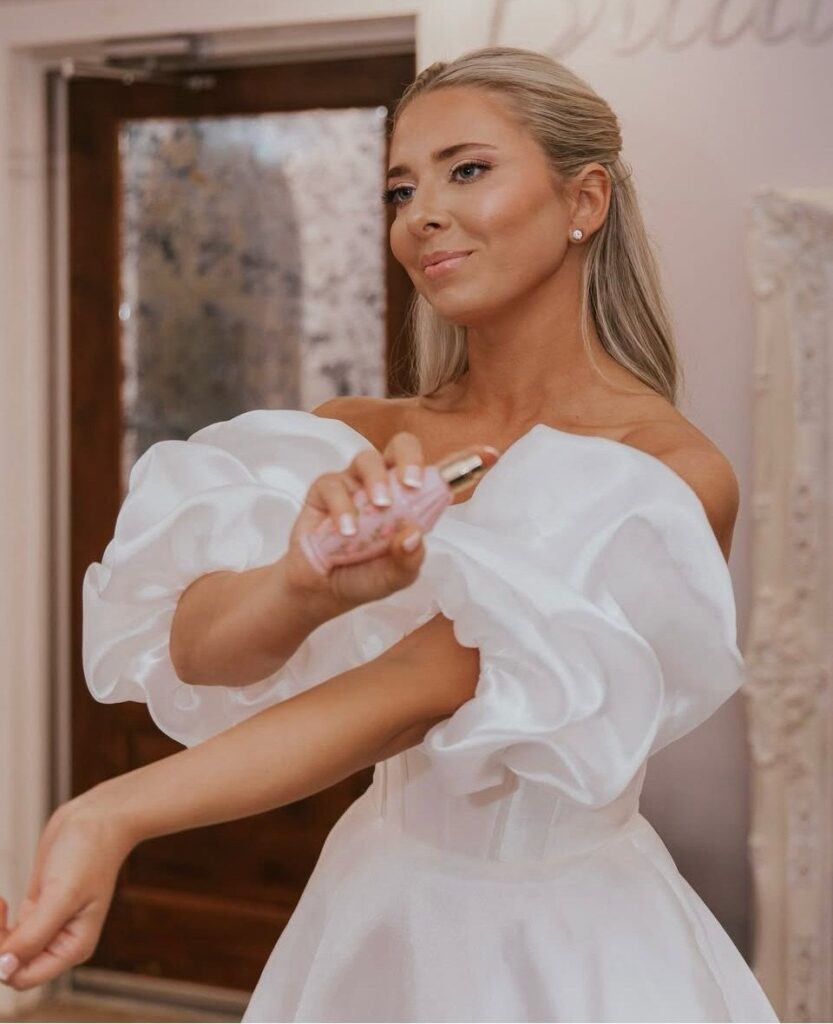
Puffed sleeves gave 1989 wedding dresses their most recognizable silhouette, ballooning from the shoulder in layers of satin or tulle that framed the face like a portrait frame.
If you are drawn to this look, the volume is the detail; everything else stays simple.
A sweetheart neckline and clean bodice keep the sleeves from overwhelming a smaller frame. Lace gloves that match the sleeve trim pull the look together without adding another competing element.
Demetrios built entire collections around this proportion in 1989, pairing the sleeves with fitted bodices so the eye had somewhere to rest. Puffed sleeves work best when the bodice stays fitted, so the volume has something to balance against.

【Premium Nylon Tulle】Crafted from premium lightweight white nylon tulle, these detachable sleeves deliver breathable all-day comfort with a delicate, romantic look. The...
2. Lace Detailing
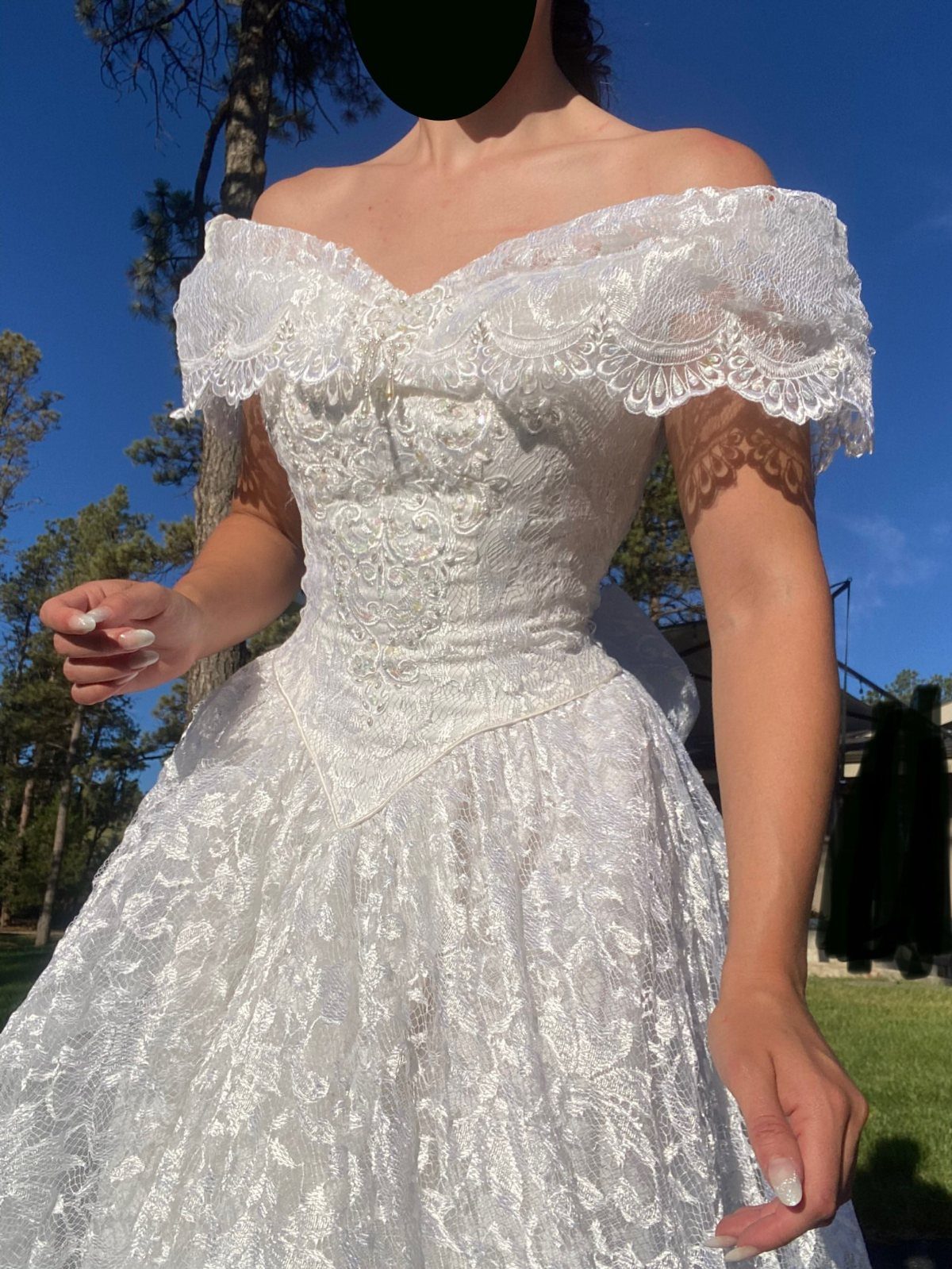
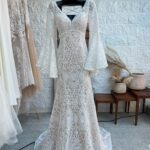
Lace on a 1989 gown usually appeared in three places at once: the bodice overlay, the sleeve edges, and a trim running somewhere unexpected, like the back V or the hem.
Choosing one weight of lace and repeating it keeps the look consistent rather than busy. A heavy re-embroidered lace on the bodice wants the same heavy lace at the cuff, not a wispy trim that looks like an afterthought.
If your dress has long lace sleeves, the bodice lace should share the same pattern scale so the eye reads it as one garment.
For a budget-conscious bride, lace appliqué on a plain satin base gives the effect without the cost of an all-lace gown. Using lace as the structure itself is the more expensive route, but it photographs with that distinct 1989 texture.

Fabric: Lace appliques, Tulle

Feature: Lace Appliques gothic wedding dress; layered tulle victorian dresses for women; short sleeve princess costumes; sweetheart 1800s victorian costume; vintage wedding gown; ruffle tulle prom dress evening gown

Feature: lace appliques wedding dresses with train; puffy sparkly tulle wedding dress for bride; off shoulder wedding gown; glitter tulle bridal gown; v-neck prom eveing gowns
3. Long Veils
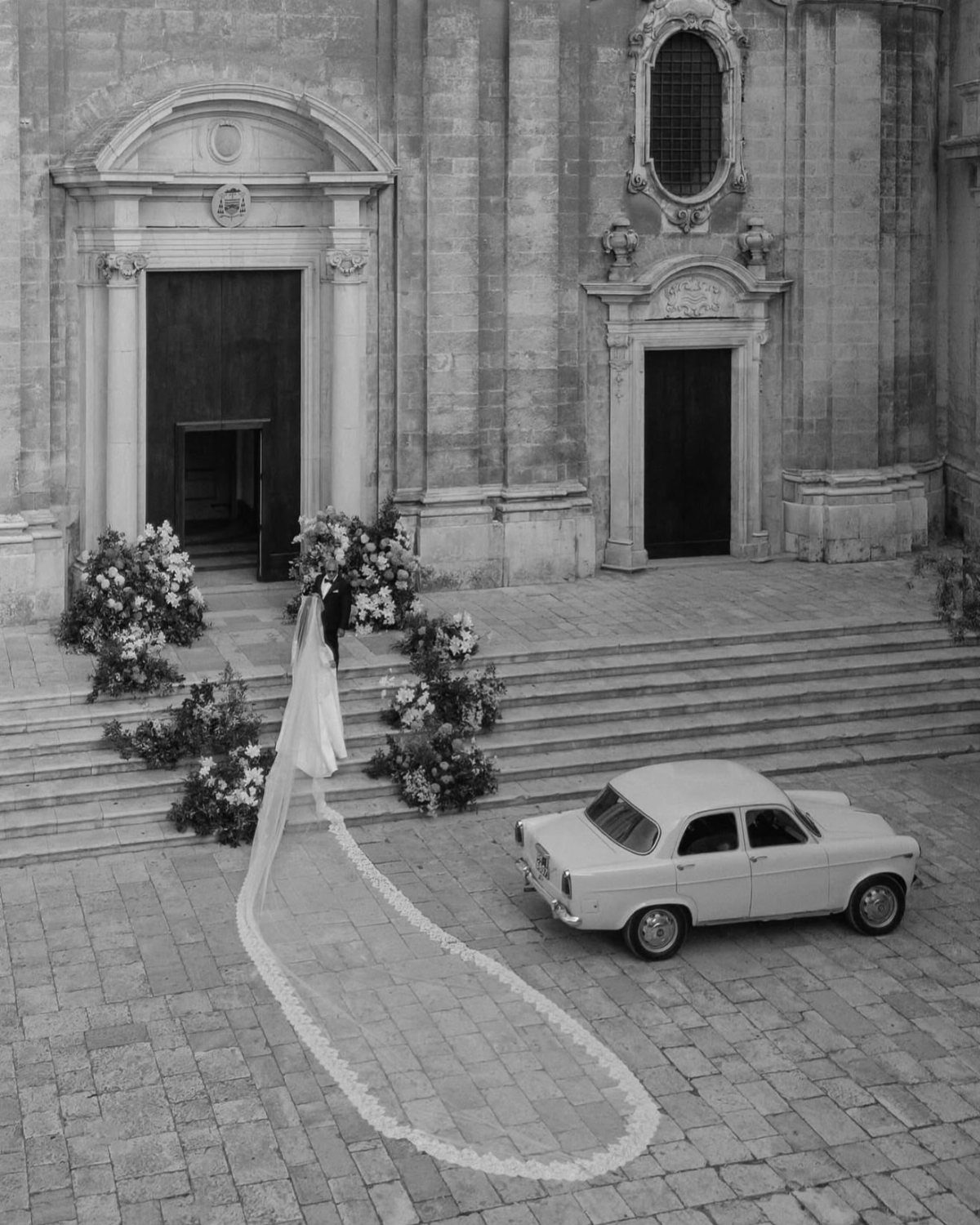
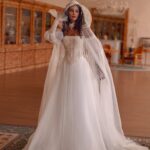
A veil that extends past the train turns a simple gown into a ceremonial event. In 1989 these were typically sheer tulle with a lace edge that matched the dress trim, sometimes running to cathedral length.
The practical cost is tripping and handling.
If your venue has steps, cobblestones, or any transition between surfaces, you will need someone assigned to manage the veil during the procession and photos. The lace edge catches on everything; a plain-cut hem is safer for outdoor weddings.
A lace-edged veil with puffed sleeves and an off-the-shoulder neckline puts a lot of volume in the upper body; the proportions need to be intentional.
I would choose this combination only if the skirt is relatively unadorned, letting the veil carry the drama instead of competing with it.

Package Includes: the package includes 1 white bridal veil with 3 combs, offering a long cathedral inspired shape with noticeable trailing effect behind the gown; This design works well for brides seeking lace detail, soft tulle drape, and a fuller ceremonial look, making it suitable for wedding day styling, bridal portraits, rehearsal photography, and formal venue dressing where a long lace headpiece can add elegant framing around the dress and a more complete overall bridal presentation

Soft Lightweight Tulle: Crafted from soft, lightweight tulle that drapes beautifully for a graceful bridal silhouette; classic cream white color complements a wide range of wedding gowns, creating a cohesive bridal look

The cathedral length veil is 118 inch/300cm long and 118 inch/300cm wide, with a large, round train
4. Floral Headpieces
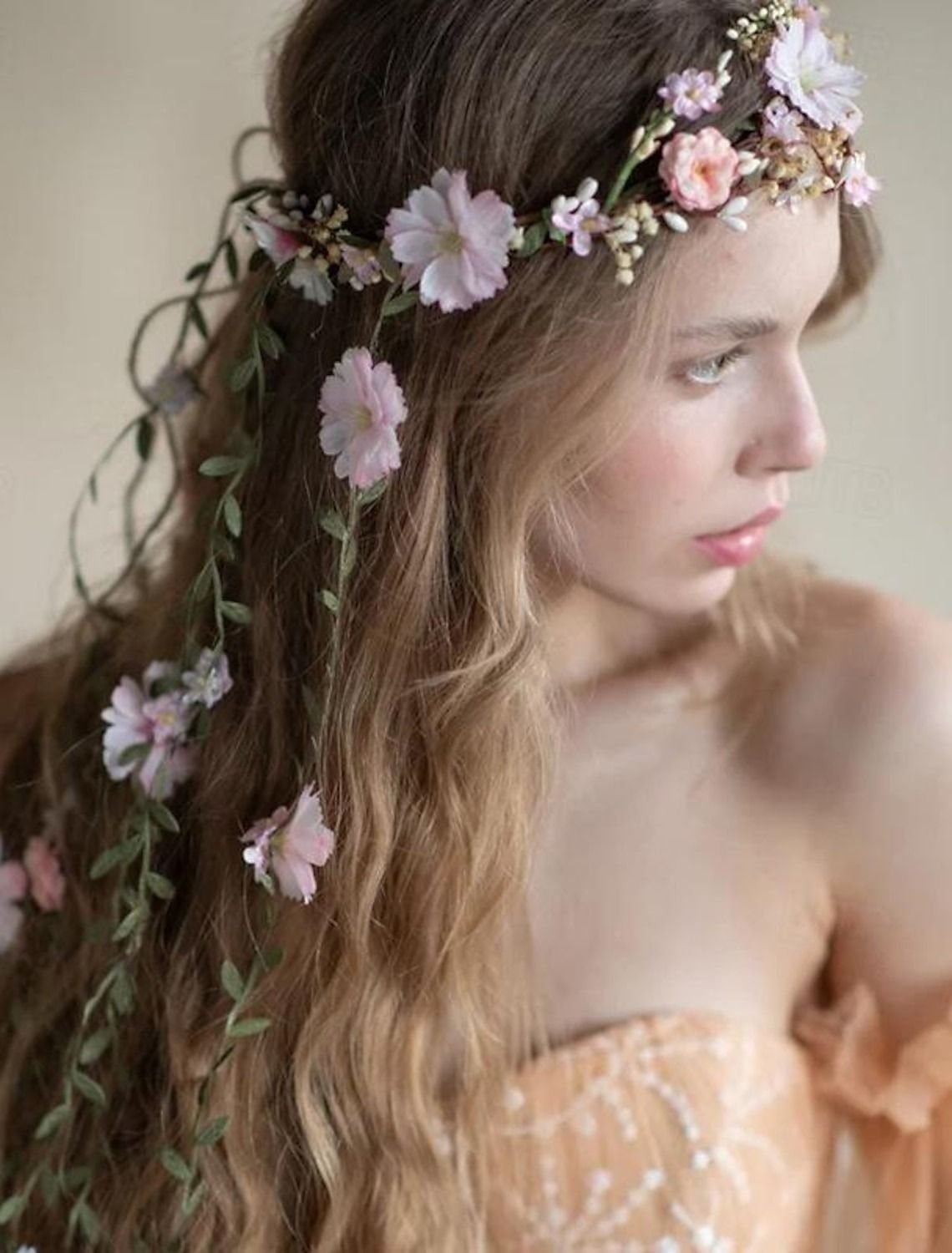
Fresh flowers woven through the hair replaced the tiara for many 1989 brides, especially those with simpler necklines that needed the visual interest higher up.
Fresh flowers in a headpiece need moisture and careful timing to last the day. Flowers begin wilting the moment they leave water; a cascading vine that looks lush for morning photos can look defeated by the reception.
If you want the trailing effect, use silk flowers for the cascade and tuck a few fresh blooms at the crown where they are easy to replace.
Density matters in a floral headpiece: full enough to read as a deliberate choice, not sparse enough to look like leftovers from the bouquet.
A floral headpiece also lets you skip necklace and earrings, which saves money and keeps the focus where the photo places it.

Bridal headpieces for wedding are made of flower, leave, pearl and alloy. Bride hair hoop won’t easy to fade and broken.

【High-quality Material】 100% handmade and durable. This flower crown is made of Polyester (leaves and flowers),exquisite workmanship, make it looks very realistic.

Features: This wedding headpiece is a soft hair vine made of sparkling rhinestones and pearls with flowers and leaves made of olive branches design.
5. Vintage Aesthetic Wedding Dresses
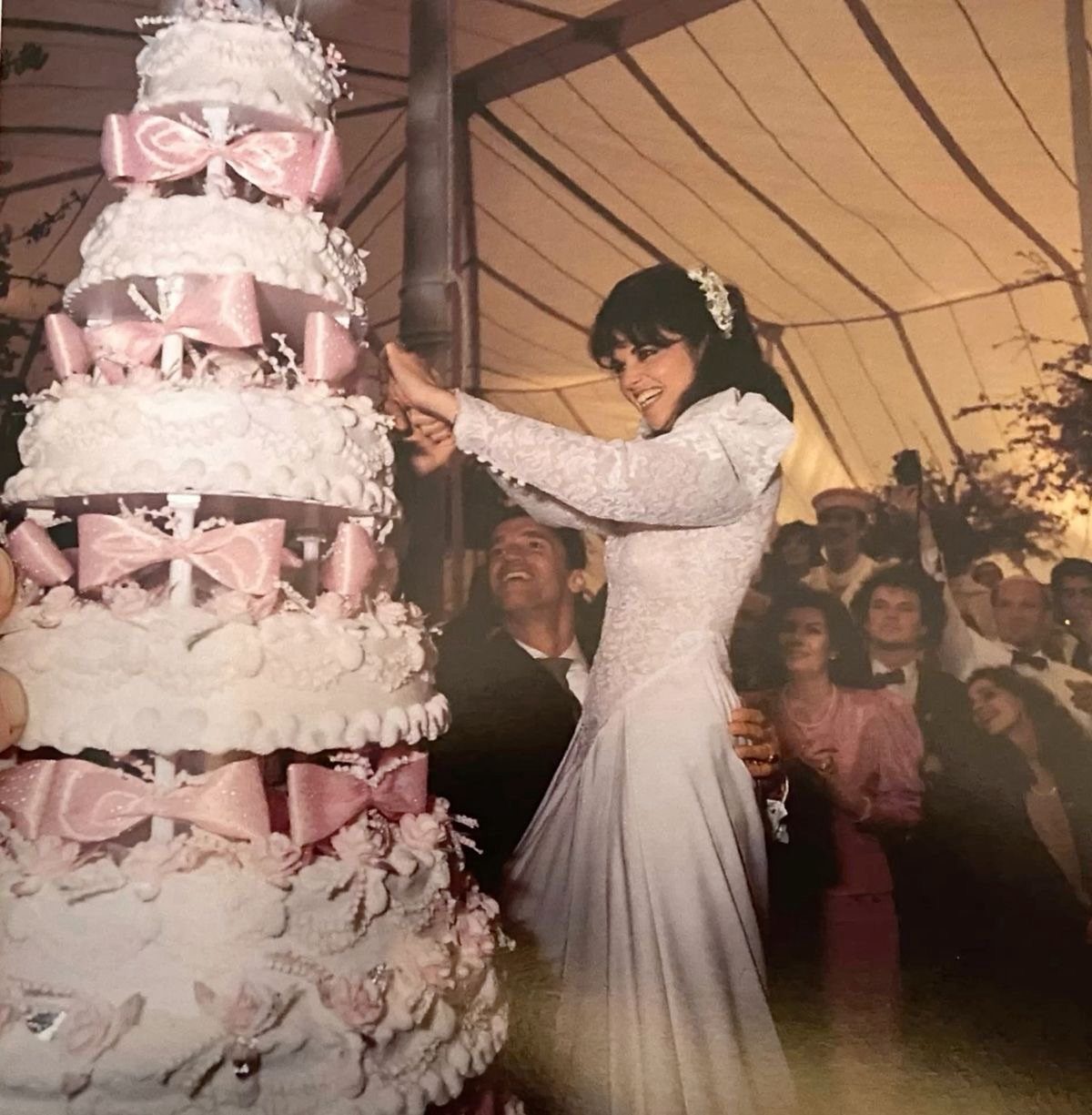
The 1989 look is immediately identifiable: romantic excess held together by a strict internal structure that the fabric barely hints at. Boned bodices, full skirts with multiple petticoats, and details that accumulate rather than compete.
Modern brides who want this aesthetic without the costume quality should look for one signature element carried through the whole day. If the dress has the volume and the lace, keep the table settings clean.
If you want the full nostalgic effect in the décor, choose a simpler dress shape so you are not living inside a theme park version of someone else’s memory.
The era layered decoration at every scale, from the cake to the tenting, so the overall effect built gradually rather than hitting one note.
Suggesting the period takes fewer layers than copying it exactly; one or two strong references do more work than piling every possible detail together.

Premium Polyester Mesh Fabric: Made from high-quality, lightweight polyester tulle that offers breathable comfort while maintaining a delicate, ethereal appearance. The mesh fabric adapts to the movement of the arms while maintaining a sense of structure and sophistication
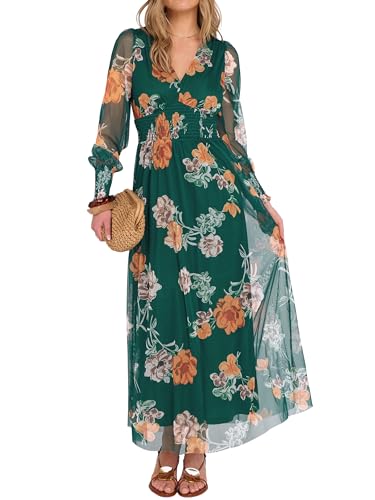
Fit Type - Regular.Please refer to the size chart to choose the size that suits you

Premium Nylon Mesh Fabric: Made from high-quality, lightweight floral white nylon tulle that offers breathable comfort while maintaining a delicate, ethereal appearance. The stretchable mesh fabric adapts to the movement of the arms while maintaining a sense of structure and sophistication
6. Off-the-shoulder Voluminous Ballgown
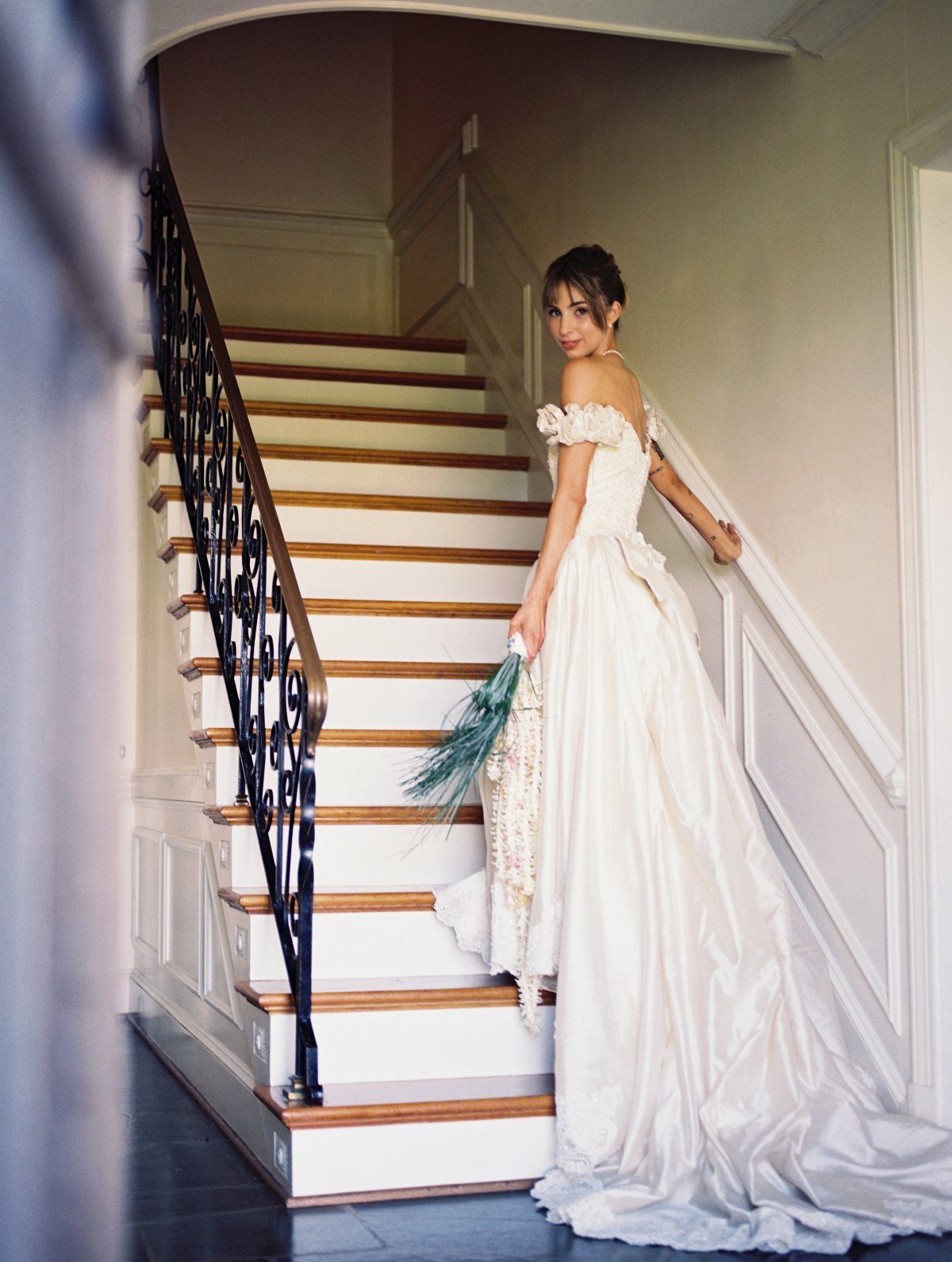
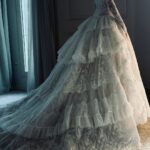
An off-the-shoulder neckline on a ballgown does 2 jobs: it exposes the collarbone and shoulders for photographs, and it anchors the eye so the skirt’s volume does not become the entire story.
The construction matters more than the fabric. The bodice must be boned and fitted to stay in place without constant tugging; an off-the-shoulder gown that slips looks like a mistake, not a choice.
A ruffled neckline that extends slightly up the shoulder gives more security than a straight edge, which can feel like it might slip.
For a bride working with a limited budget, this silhouette is one of the easier ones to find secondhand or to have made, because the pattern is straightforward and the effect comes from the proportions, not from expensive details.
Silver embroidery adds detail, but the shape itself carries the 1989 reference without it.

Lace Puff Detachable Sleeves for Wedding Dresses Bridal Removalbe Long Sleeves

Sexy Bodycon Dress for Women Puff Lantern Long Sleeve Zipper Up See-Thru Bodycon Midi Dress Patchwork Party Club Plus Size Dress S-3XL.

Material:Made of quality fabric 90%Polyester+10%Spandex,soft and stretchy, skin-friendly.
7. Statement Back Bow Dresses
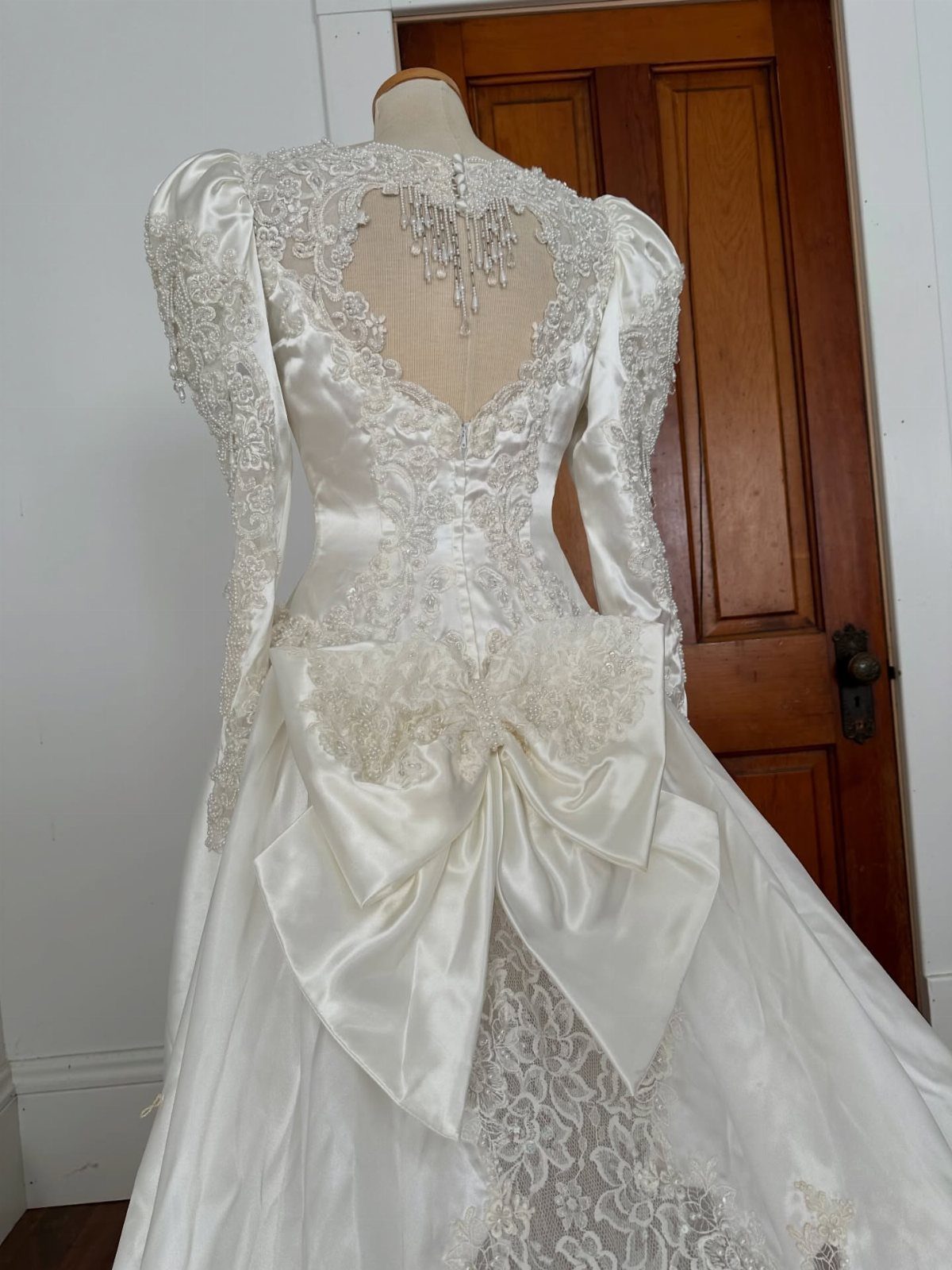
A bow at the back waist gathers the train and the eye at once, turning the exit into the main event.
In 1989 this was satin, oversized, and placed precisely where the bodice meets the skirt so the fabric flows from it like a ribbon.
The bow must be structural, not pinned on. A sewn-in bow that carries some of the skirt’s weight holds its shape through hours of movement; a pinned bow sags and shifts.
If you are having a dress made or altered, ask for the bow to be integrated into the waist seam with interfacing inside the loops.
This detail demands a venue with space behind you.
A crowded aisle or narrow doorway will crush the bow against your back or snag it on chairs. For outdoor weddings, keep the bow slightly smaller than the indoor version; wind turns a statement into a distraction.

THE EDIT BY DB STUDIO: A curated collection by David's Bridal, offering trendy, versatile dresses for every special moment—from weddings to everyday celebrations.

Features:Lace Appliques Wedding Dresses for Bride with Train; Sleeveless Summer Beach Bride Gowns for Women; Tulle Mermaid Bridal Dresses; Backless Boho Wedding Party Dress; V-Neck Bodycon Bridal Gowns; Zipper Back Wedding Gowns for Bride

Features:gothic Mermaid wedding dresses for bride;black lace Strapless bridal gowns;applique Sweetheart wedding gowns with color train
8. Fabric Floral Neckline Gowns
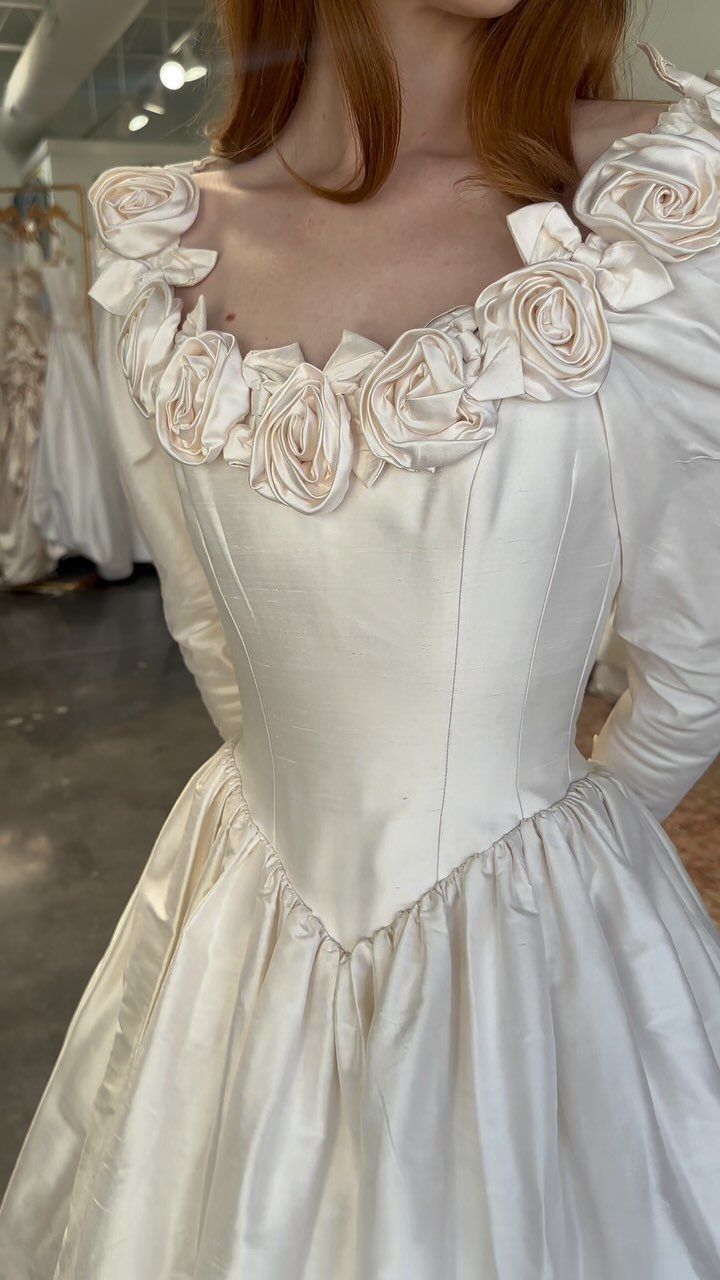
Dimensional roses at the neckline replace jewelry and draw the eye up, which helps in photographs where a bare neckline can look unfinished.
The 1989 versions were built from the same satin as the gown, stiffened and gathered until they held their shape without wilting.
The placement follows the neckline exactly: too high and the roses tickle the chin, too low and they flatten against the bust.
A sweetheart edge gives the most secure anchor point, with one rose at each peak and the rest spaced to follow the curve.
If you are adding these to an existing dress, tack through the center of each rose rather than the edge, so the petals keep their lift.
These appliqués add bulk at the shoulder line, which can narrow a wider face or shorten a neck that is already compact.
A bride with a smaller frame should scale the roses down by about a third; the original 1989 proportions were built for the taller women the designers favored that year.

[ 118-INCH CATHEDRAL WEDDING VEIL ] Create a stunning bridal entrance with this 118-inch wedding veil, featuring a 63-inch width and elegant cathedral-length train. The long wedding veil adds graceful movement and a dramatic touch to your bridal gown, making it a beautiful choice for brides seeking a classic and romantic wedding look.

Gorgeous wedding veil measures 118 inches in length and 63 inches in width. It is specially designed for a classic wedding. The elegant and flowing royal train perfectly complements the main wedding dress, creating an eternal and romantic atmosphere.

Long cathedral train wedding bridal veil with metal comb
Popular Wedding Trends in the 1980s
The 1980s wedding look did not happen in isolation. Hair was permed and sprayed into architectural shapes that had to clear the puffed sleeve without competing; makeup was applied to read under ballroom lighting, not natural daylight.
A bride who wants the full period effect needs to plan these together or the dress sits in costume territory while the face belongs to the present.
Color photography had improved enough by the mid-80s that wedding albums moved from black-and-white formality to saturated Kodachrome, which partly explains why the gowns themselves went for stronger visual impact. Fabrics had to perform for the camera.
Lace manufacturing then still relied heavily on hand-guided machines for the detailed work, which made quality predictable but not cheap.
A bride today choosing real vintage lace over modern reproduction is paying for slower production, not objectively finer results. Check whether the difference matters to you before you pay it.
The petticoat industry was strong then in a way it is not now; finding the right structural underpinning for a full skirt may take more searching than the dress itself.

Flower bridal headpiece for wedding is made of white flowers, pearls, rhinestones, silver leaves, built to last

Wedding hair pieces for brides in unique design and excellent workmanship, made of flower and alloy wire. Prom hair vine approx size: 12.5 inches( 32CM); 2 bobby pins and 1 ribbon for free.

Frequently Asked Questions
What are some vintage wedding dresses in 1980s style?
Puffed sleeves, lace detailing, and voluminous skirts were the defining elements. Demetrios built entire collections around ballooning satin or tulle sleeves paired with fitted bodices, while Alfred Angelo produced gowns with lace bodices and flowing organza skirts.
An off-the-shoulder voluminous ballgown with boning and a sweetheart neckline captures the era’s most recognizable silhouette.
Is a 20 year old wedding dress considered vintage?
Yes, a wedding dress from the late 1980s is now considered vintage. A dress from 1989 sits right on the line where vintage begins, old enough to feel like a find but not so old that the construction is mysterious.
What marks it is the combination: steel-boned bodices holding up clouds of tulle and organza, layer after layer of petticoat, and trim that piles on rather than holds back.
What were the typical wedding dress styles in the 1990s?
Styles shifted toward simpler silhouettes and less embellishment compared to the 1980s. Proportions improved over the late 1980s excess, with cleaner lines replacing the architectural volume of puffed sleeves and multiple petticoats.