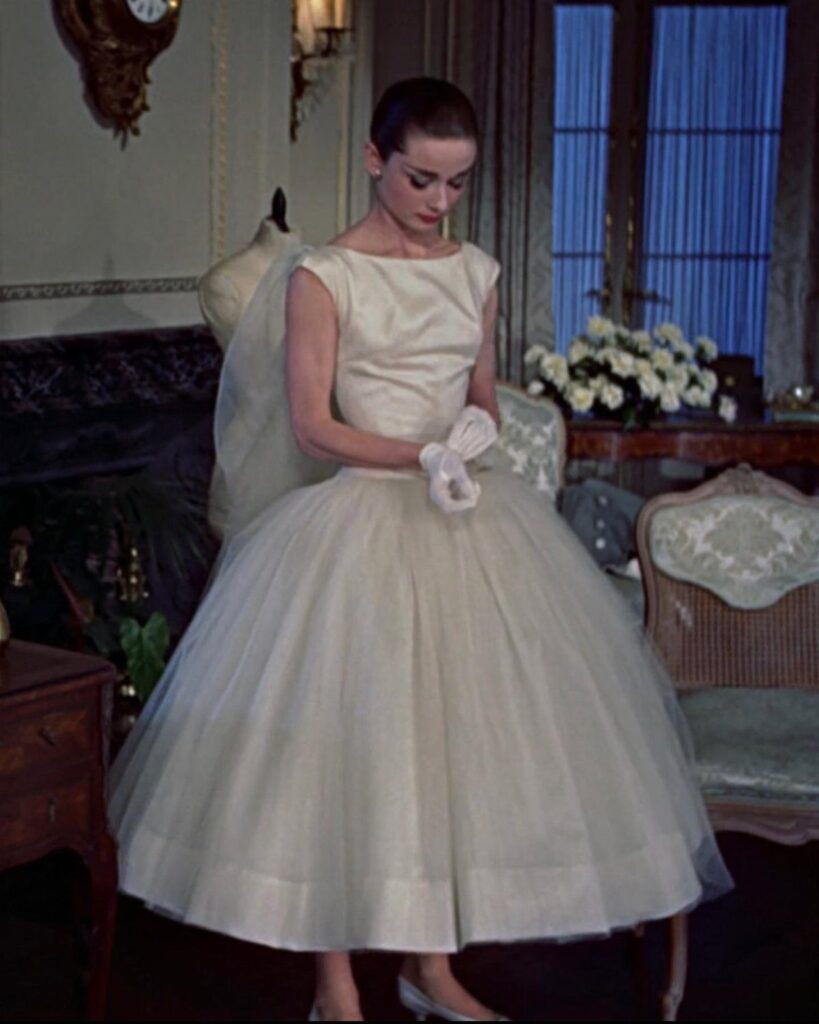
The dresses below move from Hollywood costume departments to actual royal weddings, covering reproductions and inspired-by pieces alike.
A tea-length tulle skirt suits a city hall or garden where a 25-foot taffeta train would need a team of helpers and straight aisles to manage.
The 10,000 pearls on Princess Diana’s Emanuel gown set the dramatic extreme; most brides will find their match closer to the layered tulle and satin bodice that Audrey Hepburn wore for Funny Face.
[link-whisper-related-posts]1. Princess Diana’s Wedding Dress
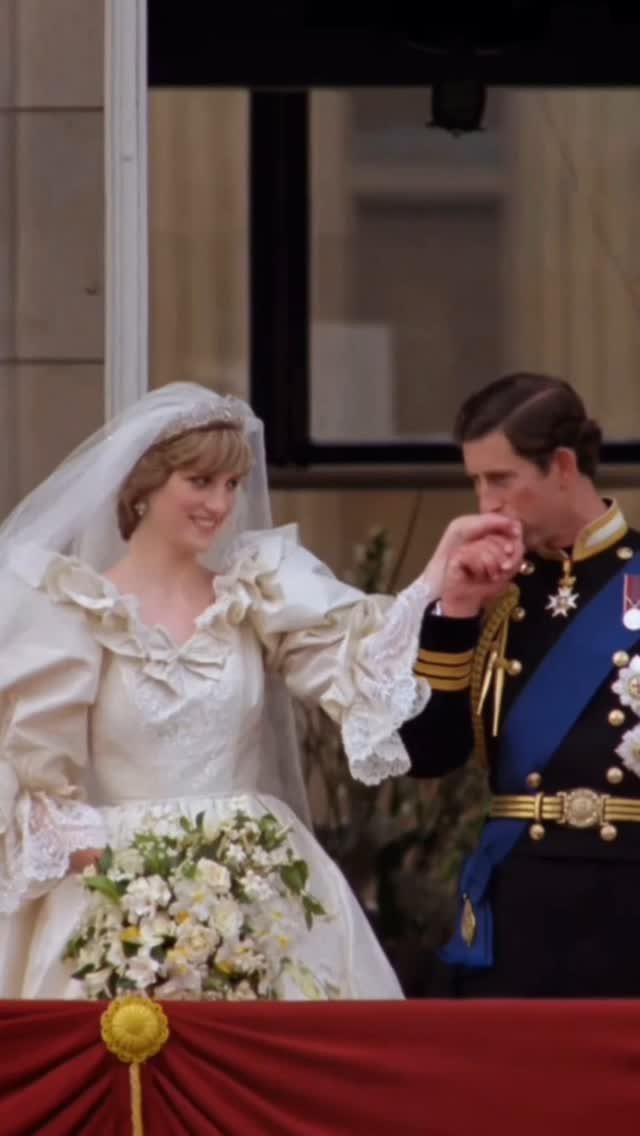
The Emanuel dress from that July wedding still shapes what people picture when they hear "fairytale wedding." Its 25-foot train and 10,000 pearls set a standard for dramatic entrances that later designers keep referencing.
For a bride working with a real budget, the lesson is in the silhouette: puffed sleeves and a ruffled neckline add presence without requiring the same scale.
Silk taffeta holds structure better than cheaper synthetics, so if you want that volume, the fabric matters more than the pearl count. I would skip the full 25 feet unless your venue has straight aisles and helpers to manage the train.

ELEGANT DESIGN: Stunning A-line wedding dress featuring a sweetheart neckline and beautifully detailed bodice with intricate embellishments

Feature: tulle quinceanera dresses with black appliques; gothic victorian wedding dress with train; black wedding dresses for bride; 3d floral off the shoulder ball gown; lace princess sweet 16 dresses for women; gorgeous 15 dresses for quinceanera; sequined mexican vestido de 15 años

Design:Glitter tulle quinceanera dress,luxury gold lace appliques,rhinestone beaded,ruffled,bow,off the shoulder/sweetheart neckline,sweetheart,corset back,2-in-1 style detachable skirt,perfect for juniors,teens,lady,women,girls.
2. Audrey Hepburn’s Wedding Dress
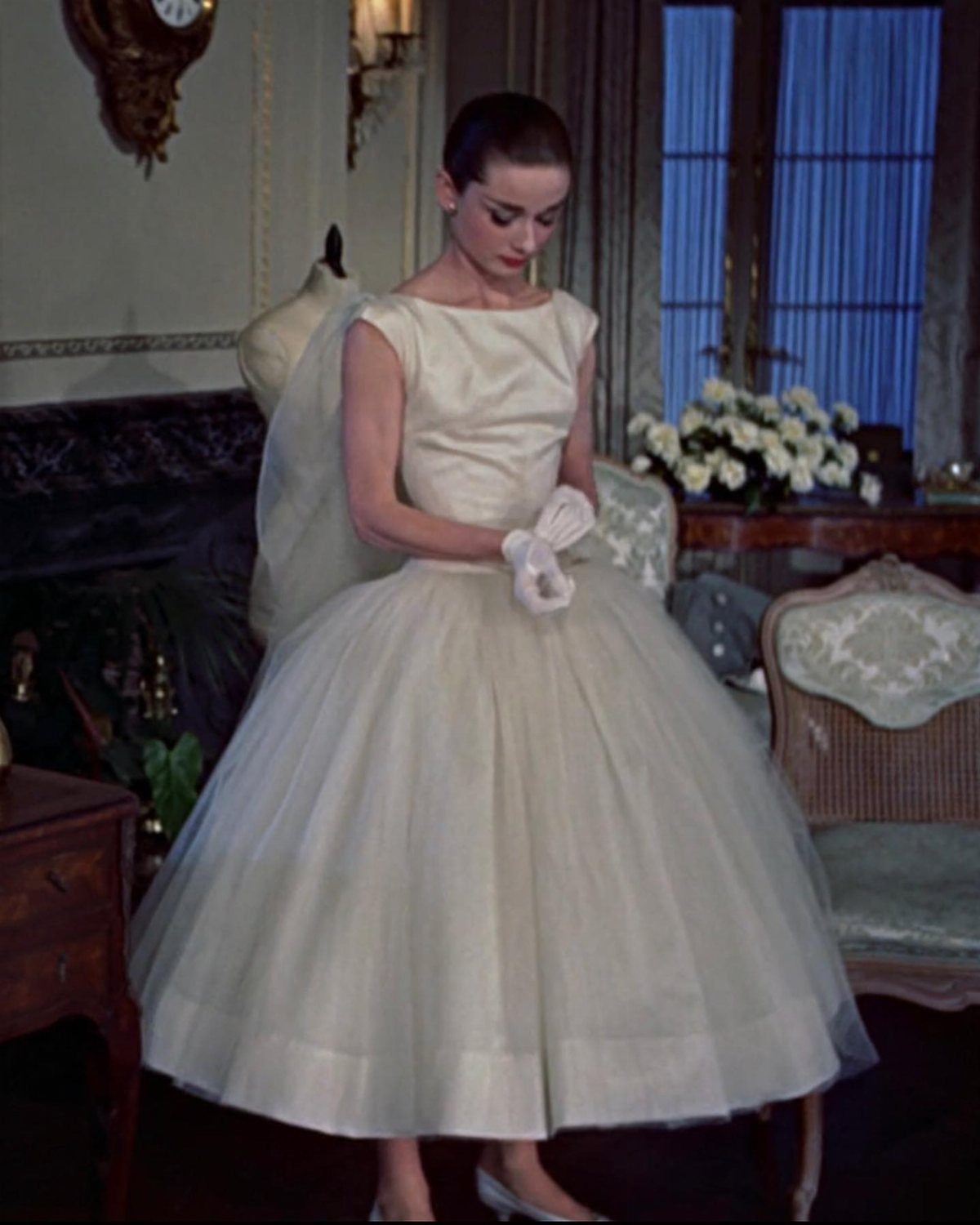
Givenchy’s 1957 design for Funny Face proved a wedding dress could feel playful and still formal.
The tea-length cut, off-the-shoulder neckline, and full tulle skirt suit shorter brides especially; the hem hits below the knee but above the ankle, so you move easily and show the shoes.
For a modest budget, this shape translates well: a simple satin bodice and layered tulle skirt need less fabric than a full gown, and the shorter length saves on alterations.
I like the waist-length veil with this; a floor-length one would fight the proportion. White pumps finish it, though any closed-toe heel in a matching tone works.

Features: Women's lace short wedding dresses ,v-neck wedding dress for vride,tulle wedding dresses for Women,empire waist style, a line bridal dresses,lace applique formal wedding party gowns ,tea length bridal gowns ,a line plus size bridal dresses for women ,sexy a-line bridal dresses backless,corset,Built in bra .

Unique Features: tulle tea lenght formal wedding dress for bride,casual wedding dress,elegance off shoulder bridal gowns, unique wedding dress,bride after wedding party dress,off shoulder tea lenght dress for bride, knee lenght bridal dress for women,corset dresses for bride, short engagement party dresses for bride, elopement dresses for bride,bride reception dress,lack up back ,built in bra,a line, midi,sexy backless,create the most beautiful look

ʚɞFeatures: Tea Length Flower Pattern Embroidery Lace Puffy Long Sleeve Empire Waist Short Cross Tulle Prom Dress. Marvellous flower embroidery lace all over the fabric, wearing one of these Fivsole ball gowns, you would feel like being the fairy who calls on the rising of Spring sprouts~Lightweight, Breathable, Built-in bra, Adjustable Lace-Up Back.
3. Kate Middleton’s Wedding Dress
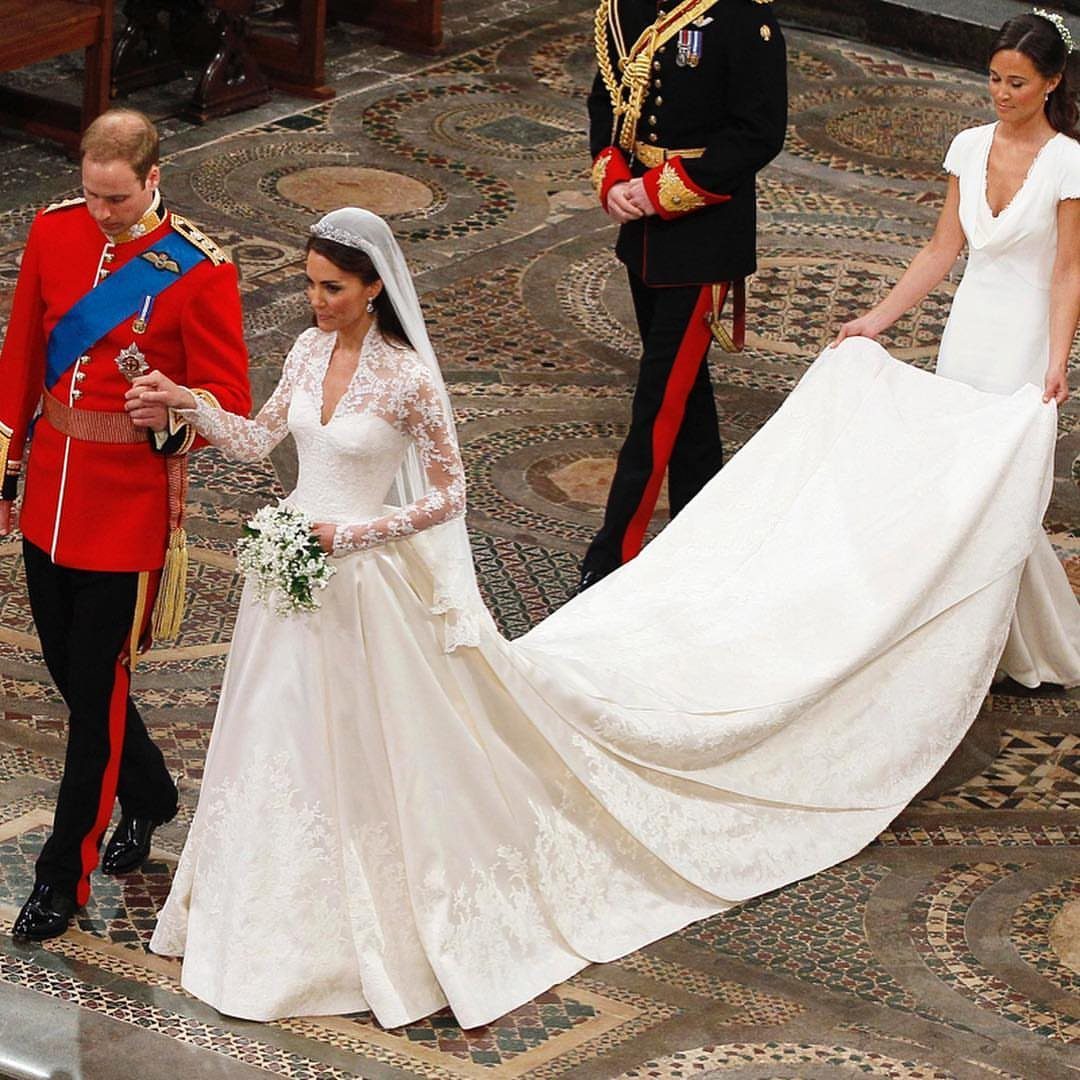
Sarah Burton’s design for Alexander McQueen revived long sleeves and lace for brides who had mostly seen strapless for years. The lace appliqué at the hem and the sweetheart neckline under a covered bodice create texture without clutter.
For a DIY planner, the practical note is the sleeve: lace sleeves need fitting at the wrist and shoulder, so budget for a seamstress who handles delicate fabric, not just a standard alterations shop.
The full silk skirt requires a structured underlayer to hold its shape through hours of standing and sitting. This style suits a formal venue; in a casual space, the formality can feel out of place.
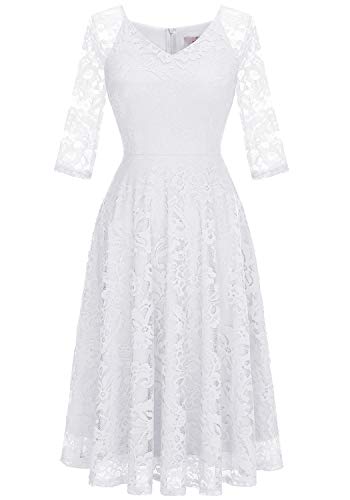
Selected materials: Made of quality lace with soft skin-friendly stretchy smooth lining, this lace dress with sleeves is super soft, breathable and comfortable to wear all day

Sweetheart neckline Lace Appliques Wedding Dresses for Bride with Detachable Long Sleeves Train Bridal Ball Gowns

Sexy Curves -- Mermaid dress is adorned with delicate lace shell, eyelash lace details and off shoulder design.
4. Vera Wang Strapless Wedding Dress
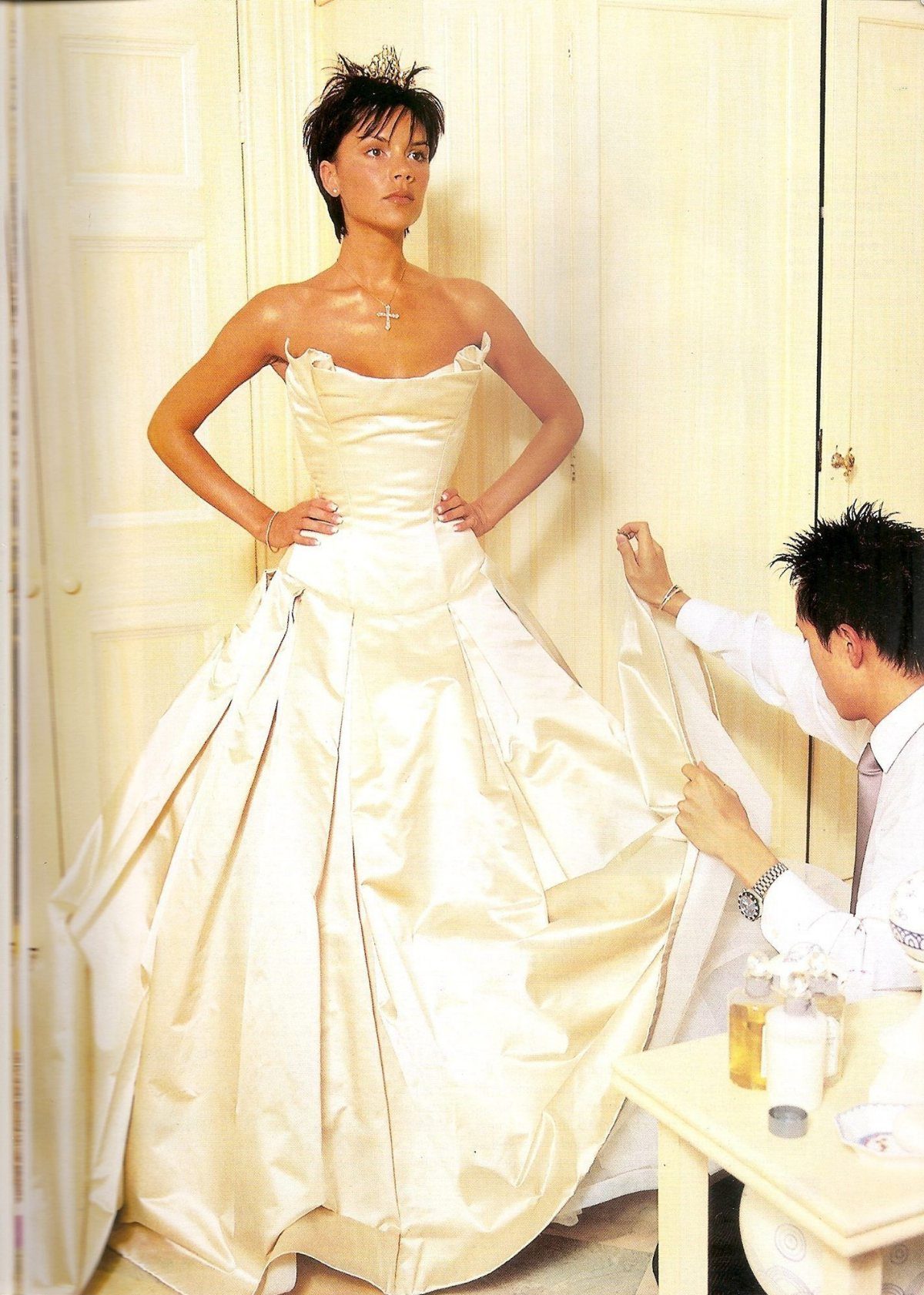
Vera Wang built her bridal reputation on strapless bodices and volume below the waist.
For a bride choosing between them, the question is texture. Satin with a pleated bodice and lace trim needs minimal jewelry; the choker in some versions is already almost too much.
The feather skirt demands a certain confidence and a venue that can handle the drama. I would add long gloves only if the ceremony is indoors; white satin gloves pick up every smudge during outdoor photos.

MATERIAL:Women satin dress is made of selected satin material, non-Stretch, silky smooth to wear and looks shiny and textured. The midi dress is friendly to your skin, perfect for summer

MATERIAL:Women satin dress is made of selected satin material, non-Stretch, silky smooth to wear and looks shiny and textured. The midi dress is friendly to your skin, perfect for summer

Material:Made of polyester,satin fabric,smooth,satiny and comfortable to wear
5. Vivienne Westwood Draped Wedding Dress
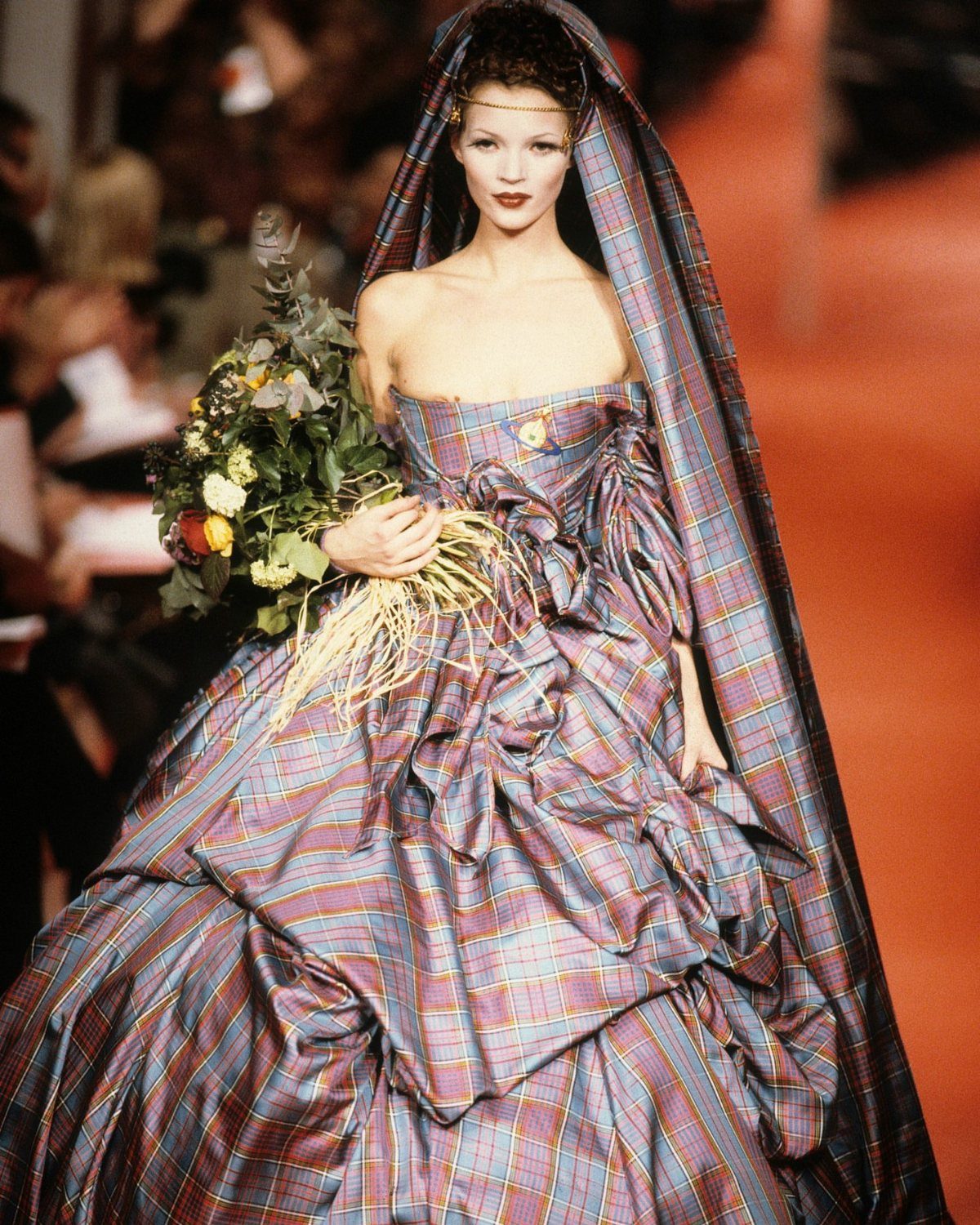
Vivienne Westwood’s bridal work throws out the rule that a wedding dress must be plain or pale. Draped silk satin with a cinched, gathered waist treats the body as architecture.
The layered pearl necklaces in some versions are her signature touch; you could substitute a single strand if the neckline already holds attention. This style suits a bride who wants to look dressed, not costumed.
The bold patterns and structural draping need a confident posture to carry, so if you are considering this, try it on early and move around. A dress this shaped limits your dance range; plan the reception accordingly.

ELEGANT SILHOUETTE: This strapless floor-length gown features a sweetheart neckline and a beautifully structured pleated bodice for a refined, sophisticated look.

ELEGANT SILHOUETTE: This strapless floor-length gown features a sweetheart neckline and a beautifully structured pleated bodice for a refined, sophisticated look.

ELEGANT SILHOUETTE: This strapless floor-length gown features a sweetheart neckline and a beautifully structured pleated bodice for a refined, sophisticated look.
6. Grace Kelly’s Wedding Dress
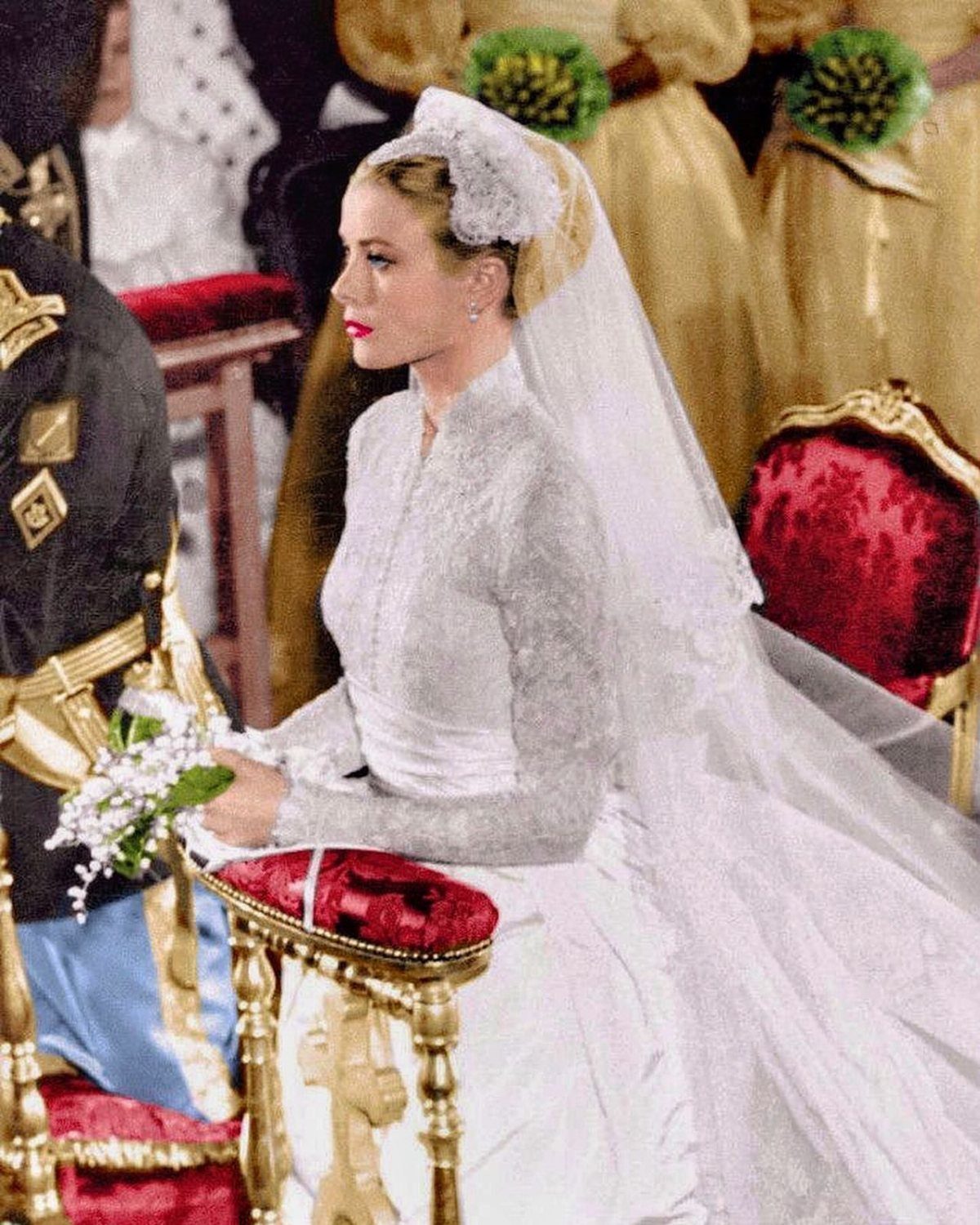
Helen Rose’s design for Grace Kelly defined Hollywood royal style before the actual royal weddings took over the reference point.
The high lace neckline and long lace sleeves read modest now but were standard then; what lasts is the balance between coverage and delicacy.
Cheap lace scratches and photographs stiff, while good lace moves like fabric, so the lace quality matters most for a modern bride. The full skirt needs crinoline or tulle support, and that structure adds weight.
I would choose this for a church or garden ceremony where the formality fits the setting, not for a beach or backyard where the dress becomes the event instead of serving it.

Feature: lace appliques quinceanera dresses with train; beaded quinceanera dresses; off shoulder quince dress; glitter beaded ball gown; sparkly tulle sweet 16 dresses for women; luxury birthday party gown

Feature: 3d floral quinceanera dresses; beaded quinceanera dresses; off shoulder lace appliques quince dress; glitter beaded ball gown; sparkly tulle sweet 16 dresses for women; luxury birthday party gown

Features:Luxury 3d floral flowers quinceanera dresses with bow;lace applique sweet 16 dresses with train;beaded 15 dresses;off the shoulder quinceañera dresses;puffy tulle ball gown;glitter sweetheart quince dresses;bow dress;bow gown
Celebrity Wedding Dress Trends
Celebrity weddings push silhouettes into mainstream bridal shops faster than runway shows alone. Grace Kelly’s high lace neckline still shows up in bridal collections because coverage like that never really left the conversation.
The Pinterest boards now collect these moments as style anchors: off-the-shoulder A-lines with sheer veils, voluminous ruffled sleeves in ivory taffeta, sweetheart necklines under full skirts.
What starts as a single photographed wedding becomes a template. I watch for which elements survive the translation.
A lace-trimmed veil from a royal wedding shrinks to fingertip length for retail. Puffed sleeves reduce from theatrical scale to something a seamstress can alter without rebuilding the armscye.
The gap between the photographed original and the shop version is where a bride makes her choice. The original gives the idea; the adaptation gives the budget.
Sexy Curves -- Mermaid dress is adorned with delicate lace shell, eyelash lace details and off shoulder design.

Unique Features: off shoulder bridal dress for bride,tulle weddig dress for bride,tea lenght wedding dress with slit,a line formal dress for bride,bride after wedding party dress,wedding gowns for women.tea lenght dress for bride, knee lenght bridal dress for women,short engagement party dresses for bride, elopement dresses for bride,lace up back,off the shoulder,built in bra,a line,with slit,create the most beautiful look

Unique Features: off shoulder bridal dress for bride,tulle weddig dress for bride,tea lenght wedding dress with slit,a line formal dress for bride,bride after wedding party dress,wedding gowns for women.tea lenght dress for bride, knee lenght bridal dress for women,short engagement party dresses for bride, elopement dresses for bride,lace up back,off the shoulder,built in bra,a line,with slit,create the most beautiful look
Historical Significance of Wedding Dresses
Wedding dresses mark what a culture values at a specific moment.
Lace sleeves signaled respectability in one decade, then seemed dated, then returned as deliberate vintage reference. The satin slip dress belongs to a different era entirely, one that rejected the ballgown structure outright.
I look at these as evidence, not nostalgia. A bride choosing long lace sleeves now is making a choice about coverage and formality, but she is also connecting to a specific lineage.
The quality of that lace, as the entries note, determines whether the reference reads as elegant or costume. Historical significance works only when the materials support it.

plus size Sweetheart neckline Lace Wedding Dresses for Bride with Detachable Long Sleeves Boho Bridal ball Gown

【Unique Design 】The off shoulder wedding dress with sleeves is a new style,it is a soft lace wedding dress for women bride, flowy lace bridal gown, a line wedding bride dress,strapless wedding dress for brides,off shoulder bridal dress,lightweight lining wedding bridal gown for bride.the long sleeves and slit creates an elegant and unique style.It also has other design details worth paying attention to,backless,corest back,empire waist.

Stretchy mesh dress: soft and skin-friendly, it offers comfort and ease for a variety of occasions during the fall and winter seasons
Design Elements of Iconic Dresses
Lace, tulle, and structure define the iconic category, but each functions differently.
Lace operates at the surface, visible to every guest, and its quality is immediately apparent. Tulle builds volume without weight, which matters for hours of wear.
Structure holds both in position: the crinoline under Grace Kelly’s skirt, the underlayer beneath Kate Middleton’s silk. I think of these as layers of decision.
A bride chooses lace for the photograph, tulle for the movement, structure for the comfort across the day. The silhouette follows from combining them.
Puffed sleeves need taffeta’s body to hold their shape; draped silk requires none of that architecture. The entries each solve this differently.
None use all 3 elements equally. The balance between them is where a dress becomes distinctive rather than generic.

★☆Material Type☆★ Polyester, Vintage and Cute to wear
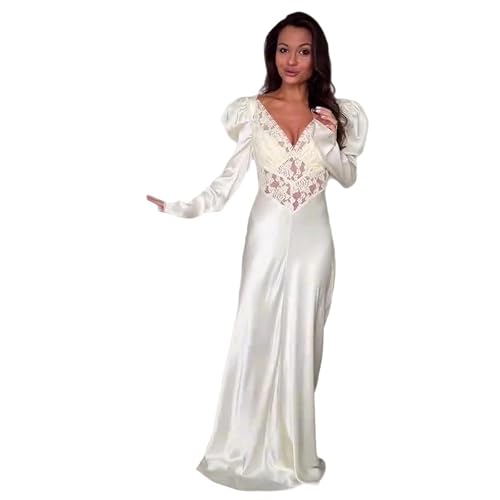
Smooth glossy satin fabric with delicate lace splicing, soft and draping well, showing elegant luster.

Satin Fabric : spring wedding guest dress made of smooth soft satin fabric, flowy but not see-through, drapes beautifully and feels soft against the skin, great for summer to wear!
Influence of Films on Wedding Dress Styles
Film weddings reach viewers who have no reason to follow actual bridal fashion.
Audrey Hepburn’s Funny Face dress introduced the tea-length silhouette to audiences who would never have seen a Given atelier in person. The effect works because the character wears the dress, not the other way around.
Hepburn moves easily; the dress does not perform her. When a bride considers that same length, she is choosing the mobility as much as the look.
Movie gowns also solve problems a real wedding creates. The sheer mesh neckline and long gloves in some film versions read as formal on screen because of controlled lighting; outdoors, white gloves stain and mesh reads as costume.
I treat film references as starting points for proportion, not as direct instructions. The camera sees a dress differently than a guest standing nearby in daylight.

Strapless Sunburst Pleated Bodice: This bridesmaid gown features a sleek strapless neckline with striking sunburst fan pleats across the bodice, creating a sculpted, figure-flattering silhouette. The radial pleating draws the eye inward and accentuates the waistline, delivering timeless elegance for formal events.

Strapless Sunburst Pleated Bodice: This bridesmaid gown features a sleek strapless neckline with striking sunburst fan pleats across the bodice, creating a sculpted, figure-flattering silhouette. The radial pleating draws the eye inward and accentuates the waistline, delivering timeless elegance for formal events.

ELEGANT SILHOUETTE: This strapless floor-length gown features a sweetheart neckline and a beautifully structured pleated bodice for a refined, sophisticated look.
Frequently Asked Questions
What is the most iconic wedding dress?
Princess Diana’s Emanuel dress from her July wedding still shapes what people picture when they hear ‘fairytale wedding.’ Its 25-foot train and 10,000 pearls set a standard for dramatic entrances that later designers keep referencing.
The silhouette, with puffed sleeves and a ruffled neckline, is what actually translates to real budgets.
What is the most timeless wedding dress style?
The high lace neckline and long lace sleeves from Grace Kelly’s Helen Rose design have never fully left bridal collections. The satin ballgown with a veil also persists across decades as a formal standard.