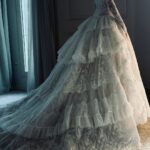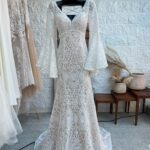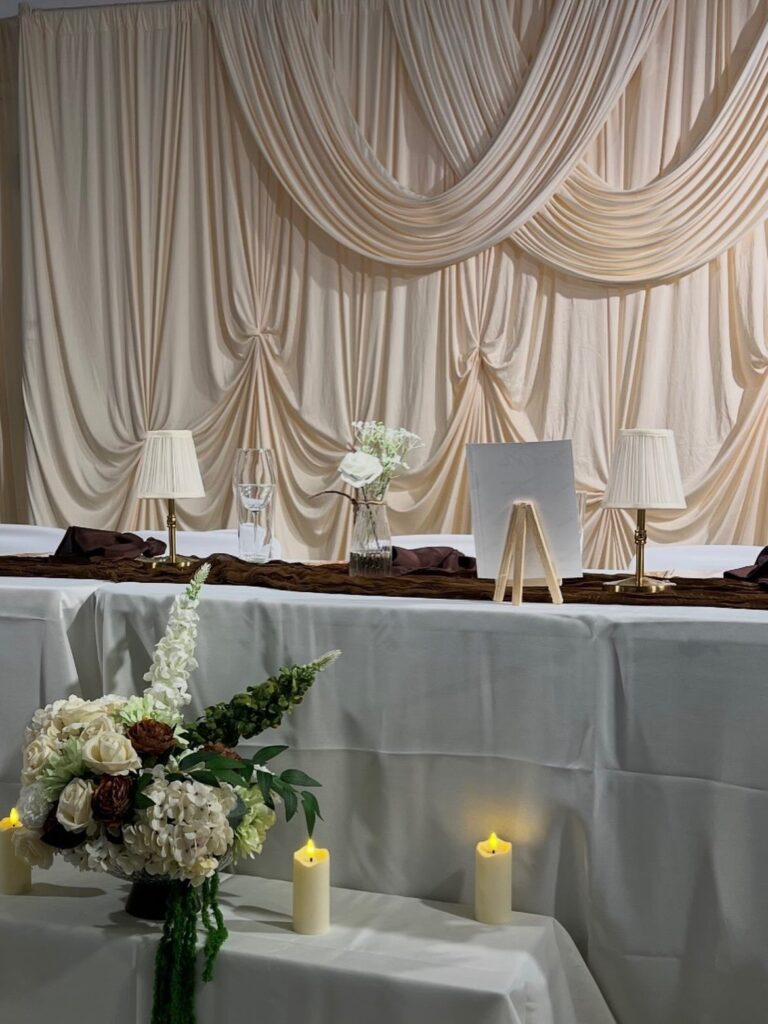
Champagne and ivory sit close enough that I once held both swatches under a department store light and could not tell them apart, but under the skylight at my venue one turned buttery while the other stayed cool, and that single shift changed every metal and fabric choice that followed.
The deciding rule is your venue’s light source and your jewelry metal, because champagne commits you to warm gold while ivory lets you wear your grandmother’s white gold pearls beside a yellow gold gift without either turning wrong.
Mercury glass votives in champagne, seeded eucalyptus tucked between them, prove the palette lives in that space between garden and ballroom where the choice matters.
[link-whisper-related-posts]1. Champagne and Ivory with Silver and Greenery
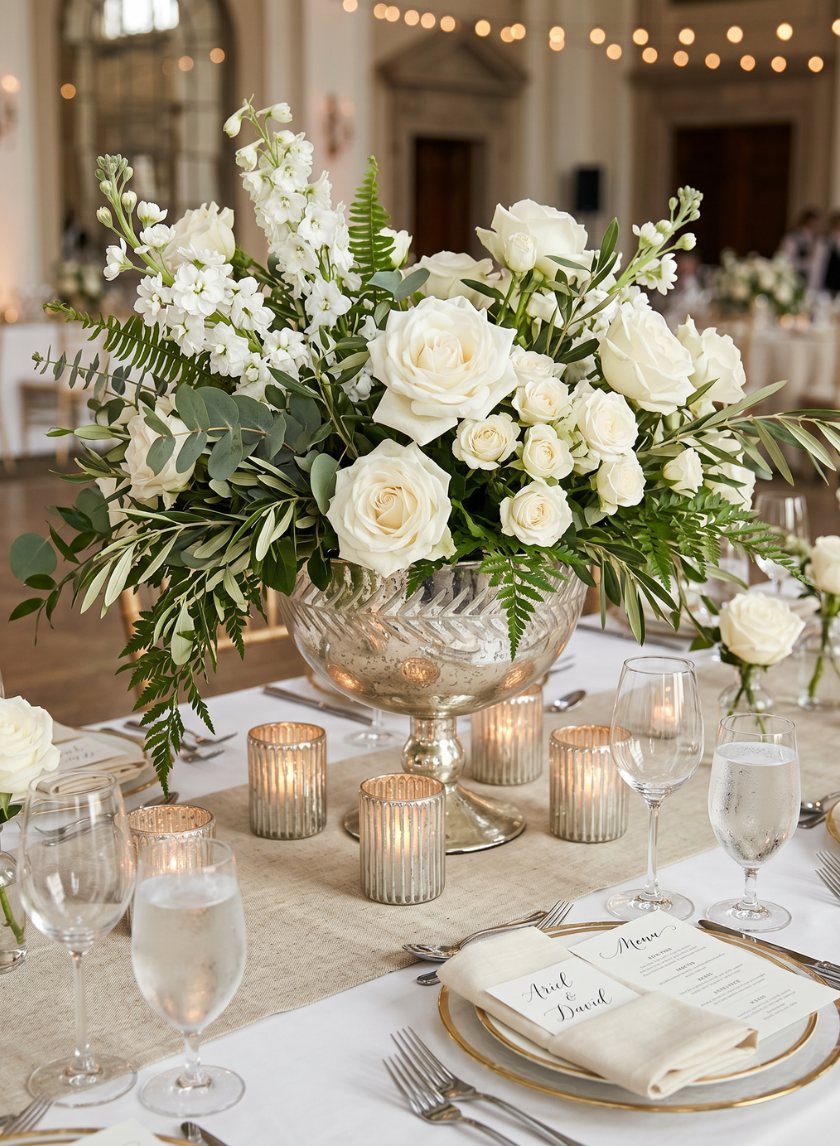
Mercury glass catches light the way actual silver cannot, and against champagne linen it reads as candle glow rather than cold metal.
I would keep the greenery loose, almost weedy, so the palette stays garden-adjacent and not ballroom-rigid. Small votives keep the table low enough for guests to talk across without leaning around anything.
A cluster of three or four in champagne glass, with a sprig of seeded eucalyptus tucked between them, gives you the greenery without a centerpiece that blocks sightlines.
This suits a reader who wants the formality of metallics without the mirror-ball effect that pure silver risks.

✔️ Luxuriously Soft & Silky Feel – Crafted from a premium viscose-acrylic blend, this champagne pashmina scarf offers a smooth, cashmere-like texture with a beautiful drape and subtle sheen—perfectly soft on the skin for all-day comfort.

SOFT & COMFORTABLE FABRIC: Made of 70% polyester and 30% viscose, this women's shawl offers a soft, smooth feel with a graceful drape. Comfortable to wear over the shoulders and easy to pair with dresses or everyday outfits.
2. Ivory Wedding Dresses
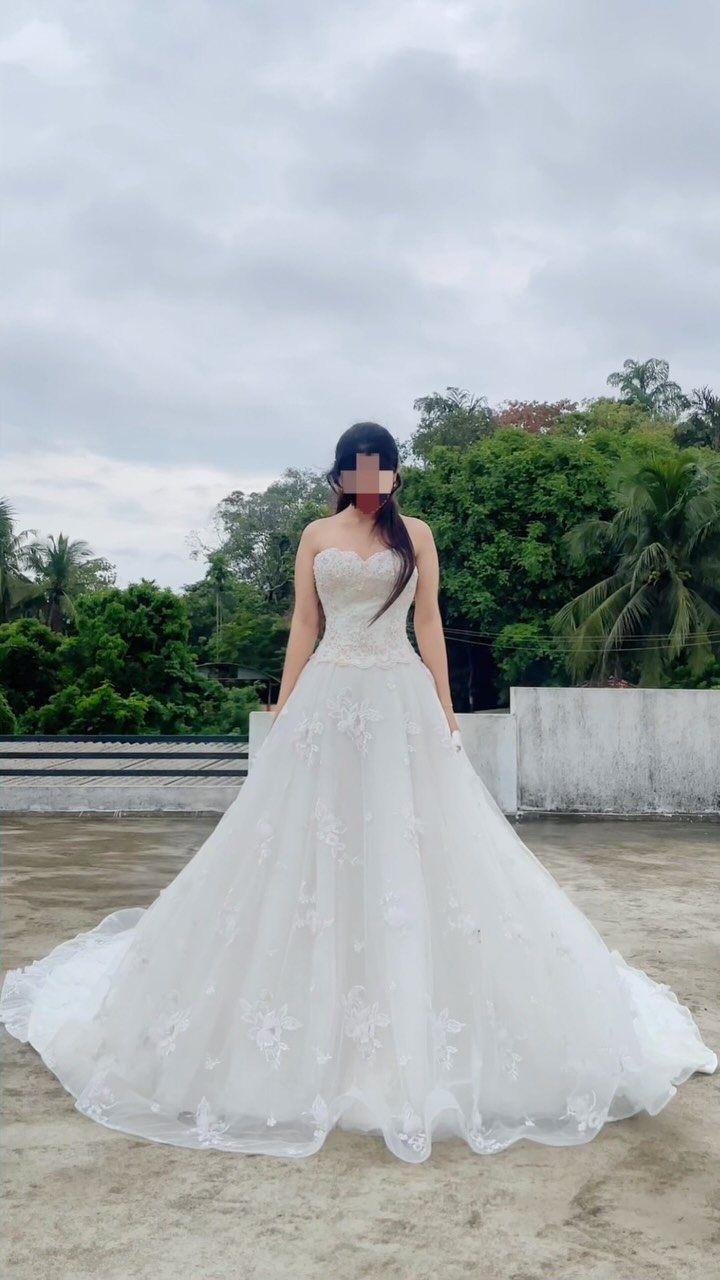
Ivory photographs as soft white, which matters more than it should since your wedding photos outlast the cake by decades. The warmth flatters most skin tones without the deliberate statement of a colored gown.
In my search, ivory paired cleanly with every bridesmaid palette I considered, from navy to terracotta, which removed one decision from an overcrowded month. Lace appliques read truest on ivory; the same detail on stark white can look stamped-on.


(Material) Flower Lace Patch is Made of 100% Polyester, Ivory Color
3. Champagne Wedding Dresses
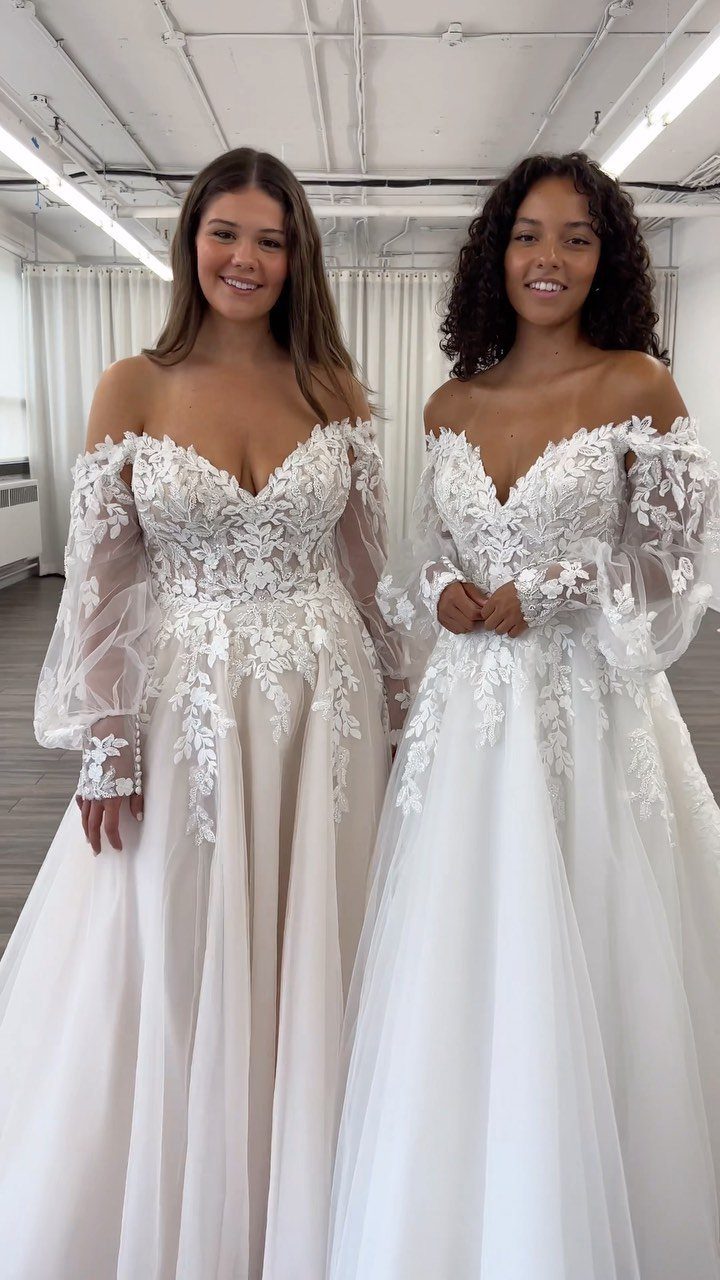
Champagne carries enough pigment to register as intentional, not as a white dress gone dingy in hotel ballroom light.
The golden cast warms under incandescents and photographs with a slight glow that flatters evening ceremonies. I found it harmonizes with blush or sage in the wedding party without matching either exactly.
Against ivory bridesmaids, the distinction between the 2 tones becomes visible and sophisticated rather than mismatched. Check the fabric in natural light before committing; some champagne dyes read pink, others read gold, and the difference decides the whole palette.

Beautiful & Functional - The Ribbed Blue Glass Votive Candle Holders (Set of 6) features a smaller base and wider top with ribs wrapping all the way around. Is sold in a set of 6 and wrapped securely in bubble wrap and shipped in a brown box. This set of vintage tea light holders from Kate Aspen are rustic and beautiful in appeal. The bohemian look is great for party favors and decorations to illuminate your night.
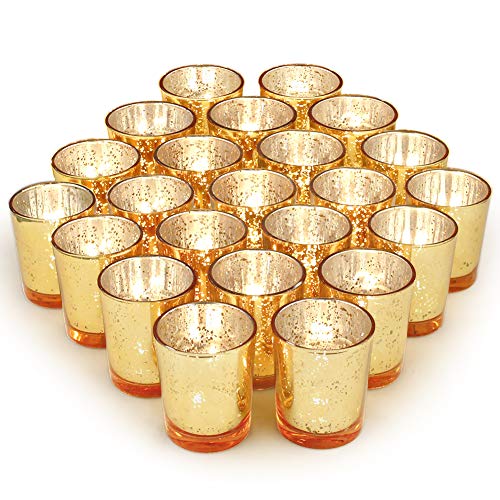
VOTIVE CANDLE HOLDERS-- All-match: Each of the mercury glass votive candle holders has 2.17ʺ diameter (top) and 2.67ʺ height approximately. Works with regular votive candles, tealight candles and flameless LED tea light candles.

Elegant Gold Metallic Finish: Features a luxurious gold metallic exterior that adds a sophisticated touch to any decor or event.
Choosing the Right Shade
Your skin tone matters more in person than in a Pinterest photo.
Ivory flatters most complexions with its soft warmth, while champagne’s golden cast can read sallow on very cool undertones. I would hold fabric swatches near your face in natural light before deciding, not against the store’s fluorescent panels.
The style of your wedding pushes the choice too.
A garden ceremony in morning light favors ivory’s freshness; an evening ballroom or candlelit chapel suits champagne’s glow. Neither is wrong for the wrong venue, but each has a setting where it looks inevitable.
Personal preference still wins.
Ivory stays reliable across lighting; champagne reads more dramatic. If you want to disappear into the tradition and let the lace or cut speak, ivory steps back.

【Larger Ovate Leaves, double the fullness】our 6-foot seeded eucalyptus garland features oversized 3.5-inch ovate leaves—nearly double. With a dense 128-seed-cluster design, this faux eucalyptus garland delivers unmatched visual impact and a lush, premium look that instantly elevates any space. The elongated leaf shape creates a more natural silhouette competitors cannot match.

Authentic Material: our artificial eucalyptus leaves are made of silk, the stem and white seeds are obtained from plastic and waterproof, and the wire inside the stem can be twisted at will as needed; The white seeds are set on the brown stems, and the faux eucalyptus gray green leaves make the whole look more authentic

Mixed 3 Styles for Natural Look:Includes 16pcs real dried eucalyptus stems in 3 varieties: silver dollar, seeded eucalyptus, and classic eucalyptus leaves. Perfect mix creates a fuller, more layered and natural greenery arrangement.
Traditional Vs. Modern Choices
Ivory photographs consistently across venues, which matters when your ceremony space and reception hall have different light sources.
Champagne asks more of your photographer and your lighting designer.
The same golden cast that flatters in golden-hour portraits can muddy under mixed LEDs. I would scout my venue at the actual season and time of day, not rely on the midday appointment when the space was empty.
Seasonal pairing is softer than the rules suggest. Ivory reads fresh in spring, yes, but a winter morning with snow glare also suits its clarity.
Champagne brings warmth to fall, yet summer vineyards at 7 PM wear it equally well. The fabric matters more than the calendar: satin and crepe show champagne’s depth, while tulle and chiffon let ivory float.

【PACKAGE INCLUDED】The package will include 4 packs of 100% premium polyester table cloths for parties. This size of each beige cloth tablecloth is approximately 60” wide x102” long, perfect for standard 6ft table, providing 15 inch drop. Please carefully measure your table size before purchasing our tablecloth, Thank you so much!

Quality Material: Aocoz round tablecloth is made of 100% durable polyester, it can be reused after washing, and it does not contain harmful chemicals and has no odor, which is good for protecting your table, and can also make your parties more atmosphere. The polyester fabric is soft and lightweight, so it drapes naturally

STAIN-RESISTANT & WRINKLE-FREE POLYESTER: Made from premium, stain-resistant polyester, these 60 x 102-inch DailySet tablecloths repel spills and resist wrinkles, ensuring a flawless look for weddings, banquets, or birthday parties. Enjoy easy cleanup and a polished table every time
Accessorizing with Colors
Ivory’s real advantage is accessory flexibility.
It accepts silver without the clash that champagne risks, and gold reads warm rather than competing. If your grandmother’s pearls are white gold and your partner’s gift is yellow gold, ivory lets you wear both without choosing.
Champagne commits you to warm metals.
Gold and rose gold harmonize; silver can turn cold against the golden dye. Plan jewelry before finalizing the dress shade, or the clash will surface in getting-ready photos.
The layered look changes the calculation. Champagne beneath ivory lace creates visible dimension between the layers, which makes structural details, boning, and beading stand out.
For vintage-inspired gowns or outdoor ceremonies where natural light picks up the contrast, this depth rewards the eye. Ivory-on-ivory lace softens into texture alone.

Soft Lightweight 100% Polyester: Premium 100% polyester pashmina shawl with a fine smooth surface and subtle sheen. Ultra-light and thin, it drapes naturally without bulk — adding understated luxury to your look.
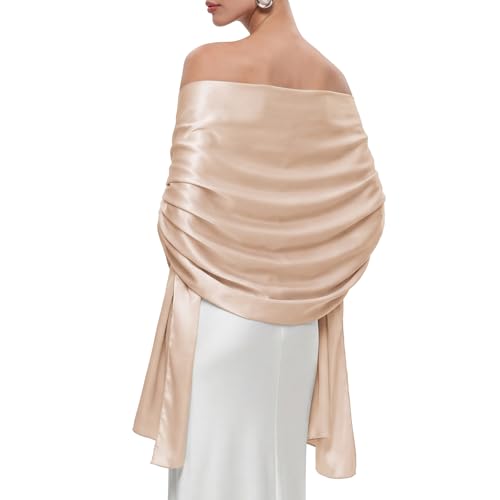
100% Polyester Satin Shawl: Soft, silky, and lightweight with a luxuriously smooth touch—perfect for all-day comfort at weddings! It delivers just the right amount of coverage to take the chill off in air-conditioned venues or cool evening air, elevating your outfit with a glamorous shine.

Light-Catching Sparkle: Metallic shimmer catches evening lights and camera flashes, adding a polished finishing touch to formal dresses without overpowering your outfit.
Fabric Interaction
Satin and crepe hold champagne’s pigment with body and weight.
The color reads as richness, not stain, because the fabric’s sheen gives it somewhere to go. I would not choose champagne in a flat matte; it needs light to move across the surface or it risks looking tired.
Tulle and chiffon do the opposite work for ivory.
Their transparency lets the color diffuse, so the warmth spreads rather than concentrates. The effect is ethereal rather than substantial, which suits a ceremony where the dress should seem to arrive on breeze.
Photography interacts with fabric choice directly. Ivory in chiffon stays consistent under flash, window light, or candle; champagne in satin shifts with each source.
If your venue mixes daylight, chandeliers, and uplighting, the same gown can photograph as 2 different colors across the album. I would ask my photographer about their experience with the specific combination, not assume correction in editing.

【Package Content】- Come with 1 mirror pair of floral lace embroidered appliques, exquisite craftsmanship and meet your needs of wedding dress DIY craft project

The corded embroidery design will make your clothes look more beautiful and unique. You can sew it on bridal dress, evening gown, party dress, bridesmaids dress, anywhere that can show your unique design.

【Features】This elegant gown features delicate lace appliques and soft tulle fabric, designed with a flattering A-line silhouette that falls to a floor-length hem, complete with a graceful train. It offers versatile neckline options—V-neck, strapless, or off-shoulder—paired with sleeveless styling and a backless design, plus a secure lace-up back. A built-in bra adds comfort and support, blending romance and practicality perfectly.
Frequently Asked Questions
Is champagne and ivory the same thing?
No. Champagne carries more pigment and golden undertones, while ivory reads as a softer, warmer white.
David’s Bridal describes ivory as soft cream and champagne as warm honey, which matches what I found: the 2 register as clearly different tones once you hold fabric swatches side by side.
What color looks best with ivory?
Ivory pairs cleanly with most palettes I considered, from navy to terracotta bridesmaid dresses. Pastels and warm metallics both read well against it.