These 7 dresses run from a $65 home try-on fee to custom hand-sewn florals that cost more than off-the-rack white, and the one that fits you depends on whether your venue competes with your outfit or needs it to carry the whole occasion.
A black velvet gown absorbs light so completely it turns into shadow against garden green; the same dress under candle and stone becomes the reason people remember the evening.
[link-whisper-related-posts]1. Non-Traditional Wedding Dresses
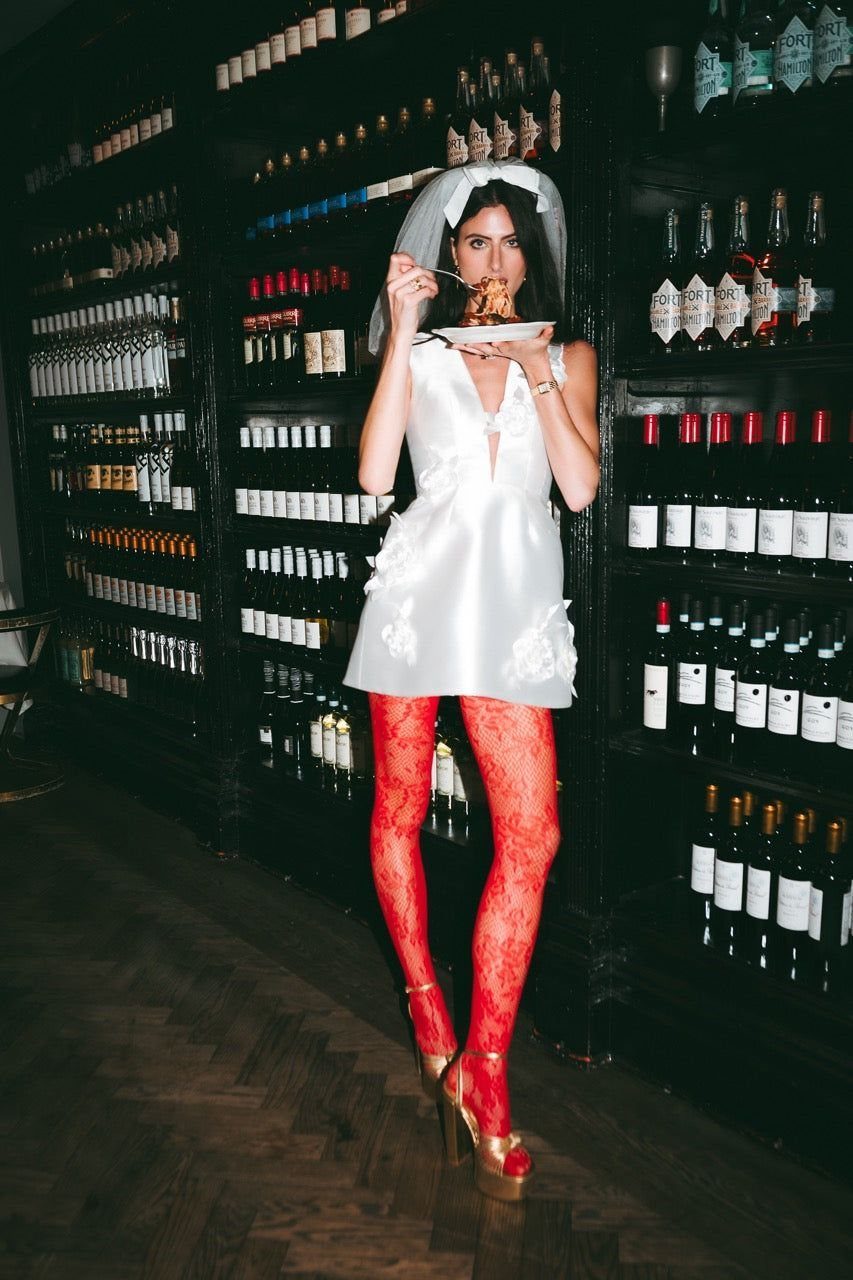
A short white dress with red lace tights turns a reception into something you can move through.
I like this approach for anyone whose venue is small, whose dinner is casual, or who simply hates the idea of being pinned inside tulle from ceremony through last dance.
The tights add color without committing to a full colored gown; you can swap them for sheer black or nude if the red feels too bold.
Budget-wise, a short white dress from a regular retailer, even a nice one, often costs less than full bridal markup, and the tights are cheap. Dry cleaning a short dress costs less too.
Formality is what you give up: this reads playful, not grand, and some churches or traditional venues may feel wrong for it. Check your venue’s dress code before you buy.

Romantic Floral Pattern for Effortless Elegance: These white floral fishnet tights feature a delicate botanical motif that adds vintage charm to any outfit. Perfect for pairing with skirts, shorts, or dresses. Stand out at date nights, weddings, or Valentine's Day celebrations with this unique hosiery

V neck, knee length, sleeveless, delicate floral lace with detachable waistband, zip back closure. Big swing and fit flare design of the cocktail dress highlight your body curves.
2. Colorful Wedding Dresses
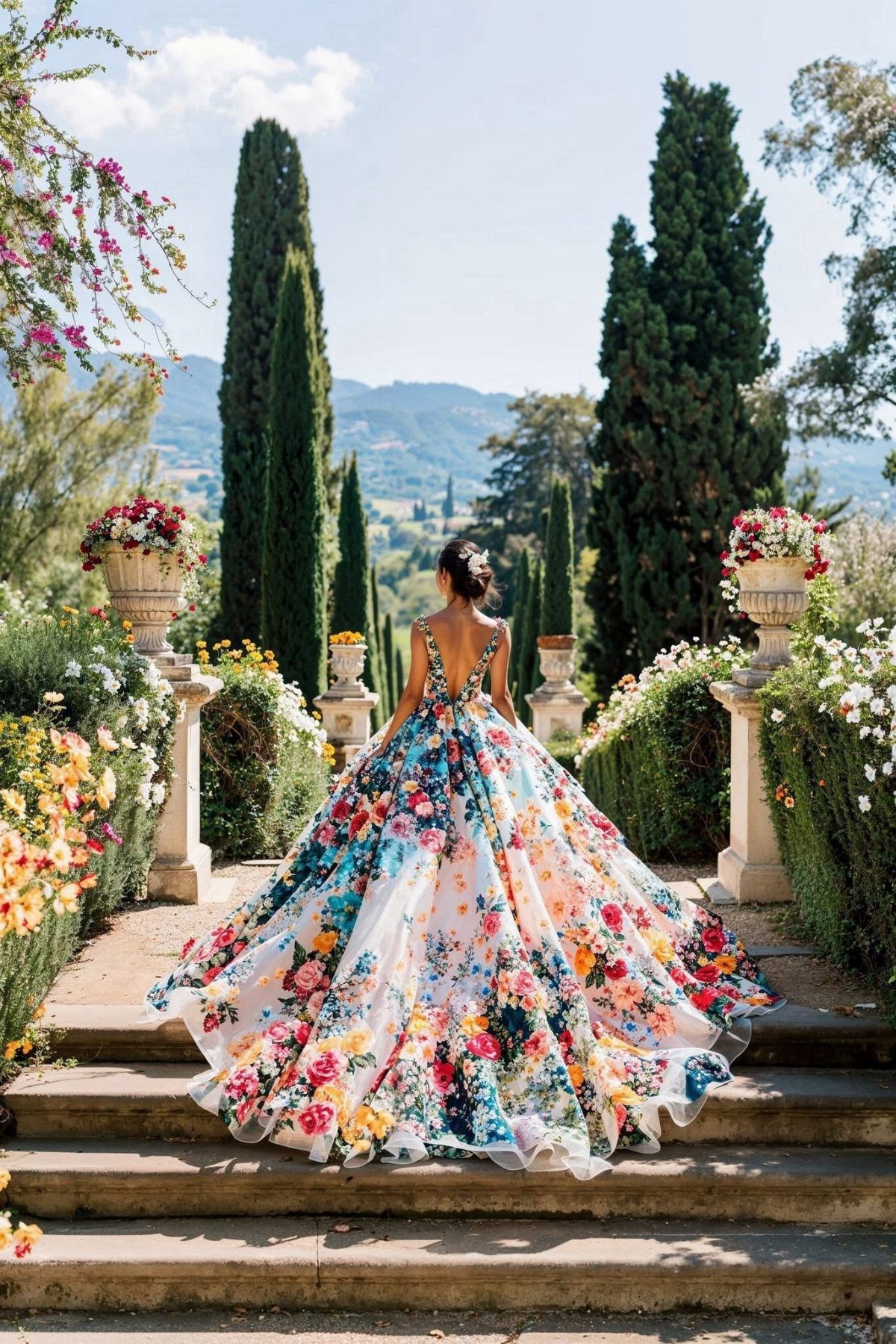
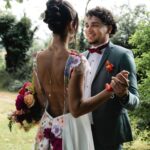
A floral-print ballgown carries the same energy as the wildflowers at an outdoor ceremony, and the color lives in the embroidery rather than demanding attention from across the room.
Champagne linings soften the contrast against skin, and subtle hue shifts keep the dress from reading as costume. I would choose this for a garden or vineyard wedding where the setting already competes with anything plain.
Some designers build their name on hand-sewn florals over ivory; that work costs more than off-the-rack white but stops short of full custom prices.
Budget for a seamstress who can match thread color to the print if you need alterations, since standard white thread will show.
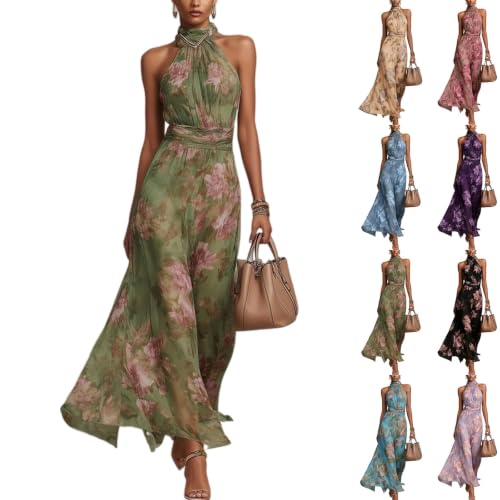
BOHO WESTERN WEDDING GUEST DRESS: Halter neck with sleeveless cut and floral print, designed for country bohemian wedding ceremonies and vintage western themed events.

ALL-IN-ONE DESIGN: This dress features built-in shapewear with light tummy control that smooths the waist and midsection, creating a slimmer and more flattering silhouette without extra layers. Sculpting mesh lining provides comfortable support for all-day wear. Size Guide: XS = US 0-2, S = US 4-6, M = US 8-10, L = US 10-12, XL = US 14-16, XXL = US 16-18, 3XL = US 18-20

Size Guide: S=US 4-6, M=US 8-10,L=US 12-14,XL=US 16-18, XXL=US 20; One shoulder bodycon maxi dress with lining-floral spring dresses for women 2026 wedding guest or any events
3. Bohemian Wedding Dresses
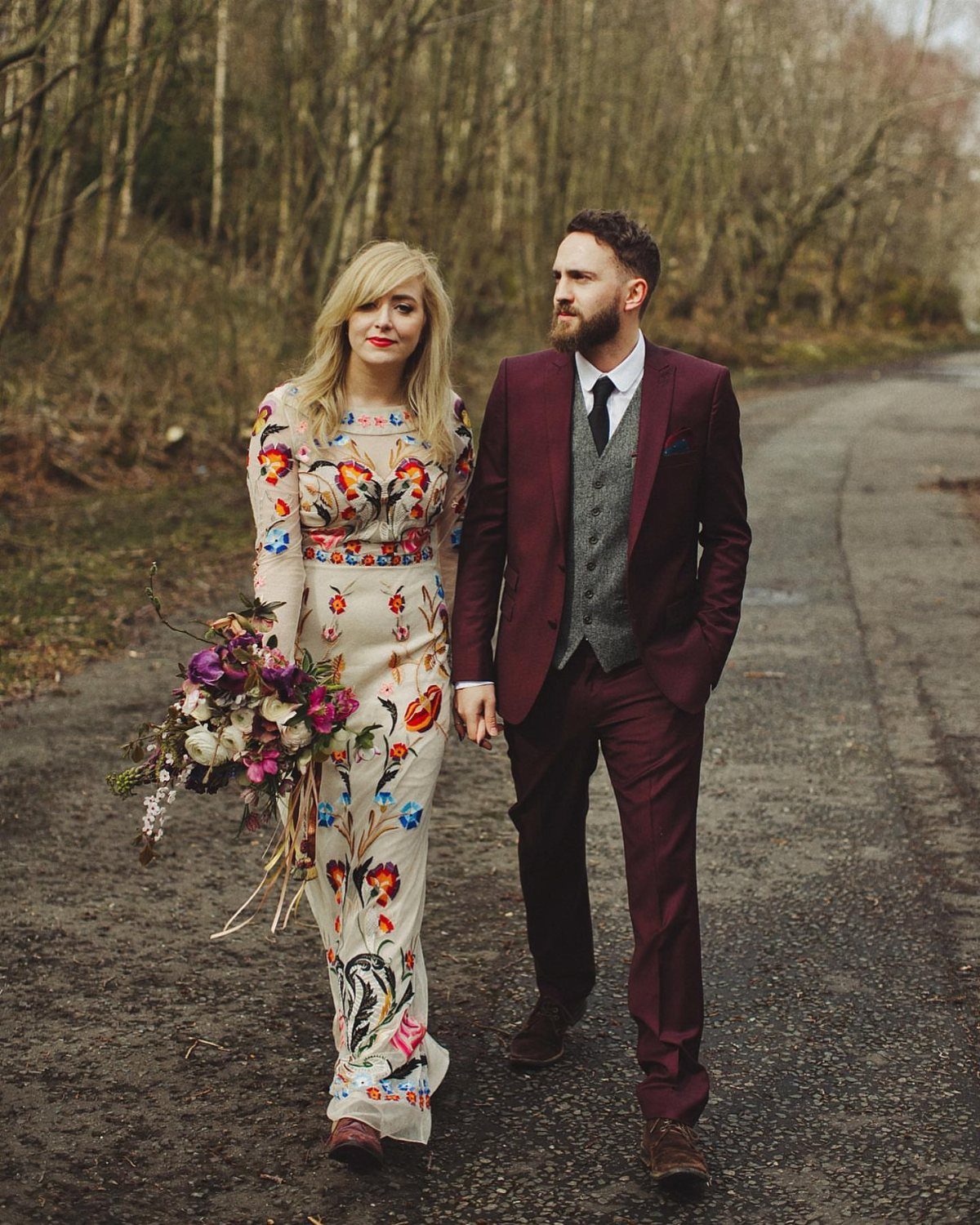
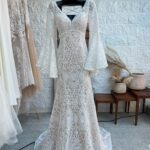
Long sleeves dense with bright embroidery, a column skirt, and a hem that shows your shoes: this is the craft version of bohemian, grown-up and far from costume-shop.
I looked at a lot of boho dresses that felt designed and found the ones worth wearing feel discovered instead, with mixed lace patterns that look assembled over time.
Soft fabrics and relaxed silhouettes matter most if your ceremony runs long or your reception is outside; you will sit on grass, hug half the guest list, and possibly dance barefoot.
The colorful embroidery works best when it picks up something from your bouquet or your setting.
This tier sits below designer bridal and above fast fashion, and expect to try on more dresses than usual; the fit is less forgiving than structured satin.

Exquisite Lace Embroidery Detail: This women’s lace embroidery dress features intricate lace detailing that adds a sophisticated and romantic touch to your look. The delicate embroidery enhances the overall design, making it perfect for formal events, weddings, or evening galas.

Newborn Girl Dress Material: Crafted with a soft and breathable ribbed cotton lining, lace is made of polyester, with a tulle design on the inner. This romper dress ensures your baby stays cool and comfortable all day long. Perfect for sensitive baby skin, it's gentle, baby girl newborn dresses ideal for all day comfort

Features:Plus Size Long Sleeve Wedding Dresses for Bride,Lace Applique and Soft Tulle Material,Breathable and Skin-Friendly,This Wedding Dress is Soft and Comfortable,Adds an Elegant,Charming and Mature Aura to you,Let You to be a Most Beautiful Bride
4. Gothic Wedding Dresses
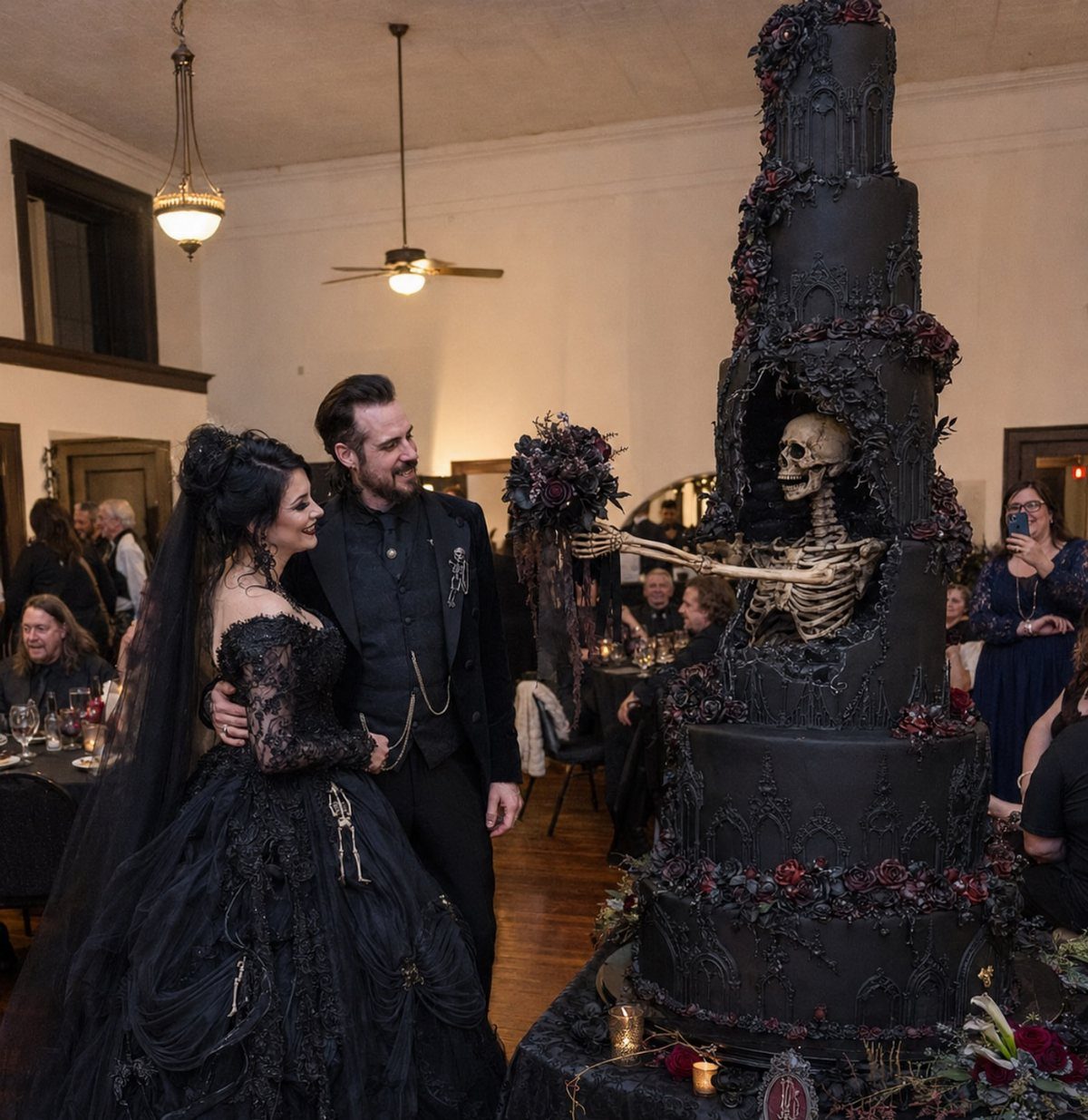
Black wedding dresses carry the weight of myth and folklore, and they photograph with a severity that white simply does not.
I would not wear one to a daytime garden wedding; the fabric absorbs light rather than reflecting it, and you can look like a moving shadow against green.
For an evening ceremony, a winter venue, or a space with candles and stone, the drama pays off.
Unique silhouettes help here: a black dress needs shape to avoid reading as formal evening wear. Consider velvet, heavy lace, or structured crepe rather than anything flowy.
Family reaction is the real risk; not everyone sees a wedding and expects black. Have that conversation early if your parents are paying.
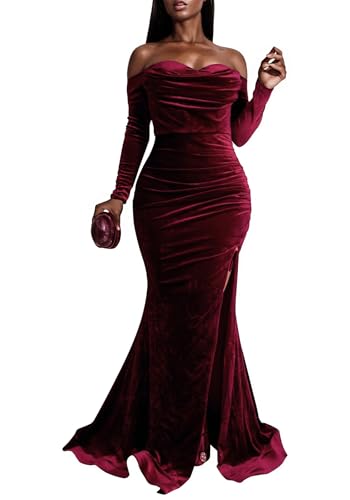
Fabric: the wrapped velvet maxi dress for women is made of 95% Polyester and 5% Elastane, soft and stretchy party dress, is breathable and comfortable to wear. package:1* cocktail dresses for women.

【Soft & Stretchy Velvet Fabric】This velvet maxi dress is crafted from soft, stretchy velvet with a rich sheen and beautiful drape. It feels smooth against the skin and offers comfortable stretch for easy movement, while the plush texture adds rich color and an elegant finish for fall and winter occasions.

Fabric: Crafted from soft, stretchy velvet fabric, this formal dress offers a smooth feel, comfortable stretch, and an elegant drape that follows the body naturally. The lace and velvet paneling creates a refined contrast, adding delicate texture and a sexy, elegant look
5. Dip Dyed Wedding Dresses
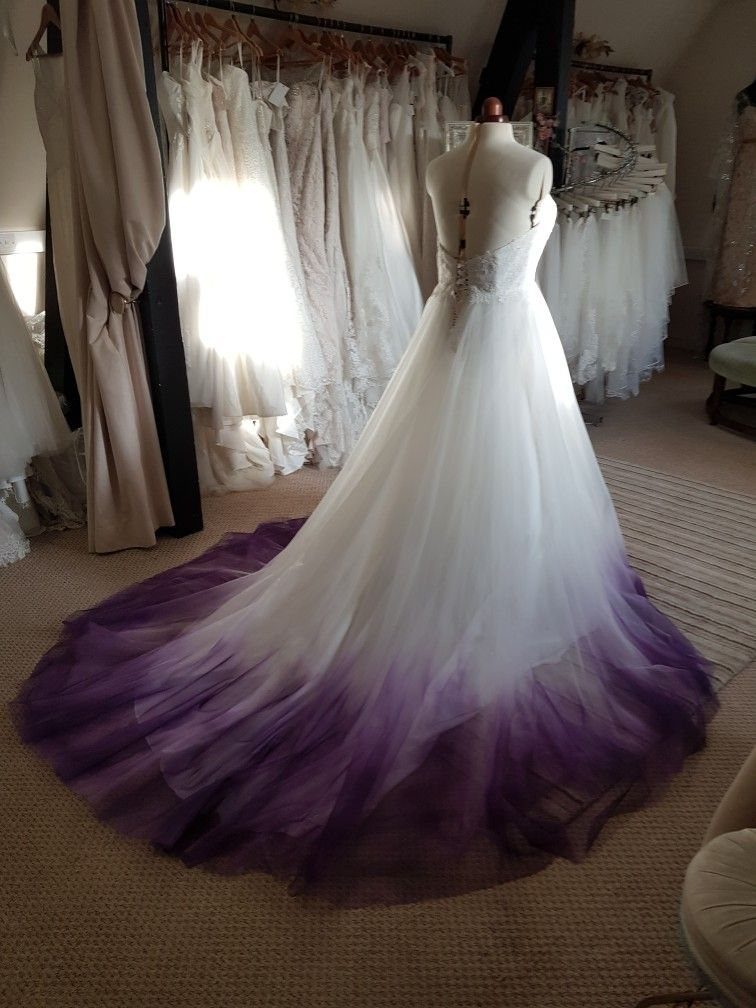
A purple gradient bleeding up from the hem turns a standard strapless gown into something that belongs to you alone.
Lucy Can’t Dance builds this with dip dying, lace, and layering; the ombre effect works because tulle holds color unevenly, which looks intentional rather than sloppy.
I love this paired with a personalized denim or leather jacket for the reception, though the dress stands alone if your venue is formal.
The technique is not reversible, so buy the dress pre-dyed or find a specialist; home dye kits on a gown you already spent real money on end badly more often than not.
Budget for the experiment: boho dip-dyed dresses start lower than custom bridal but still run up, and a professional dye job on an existing dress costs enough to hurt with no guarantee.

Romantic Floral Design: Colorful floral embroidery and soft 3D flower appliques on airy tulle create a fresh garden bridal look for brides seeking a delicate non traditional wedding gown

SIZE RECOMMEND: US 4/6(Small), US 6/8(Medium), US 12/14(Large), US 14/16(X-Large), US 18(XX-Large). Please choose a size up if you don't want a too tight fit effect.

[Womens dresses for wedding guest] Elegant formal party dress, made of quality lace and chiffon, featuring with soft, comfy, stretchy and skin-friendly.If you between sizes, we recommend sizing up for a better fit.
6. Graffiti Spray-Painted Wedding Dress
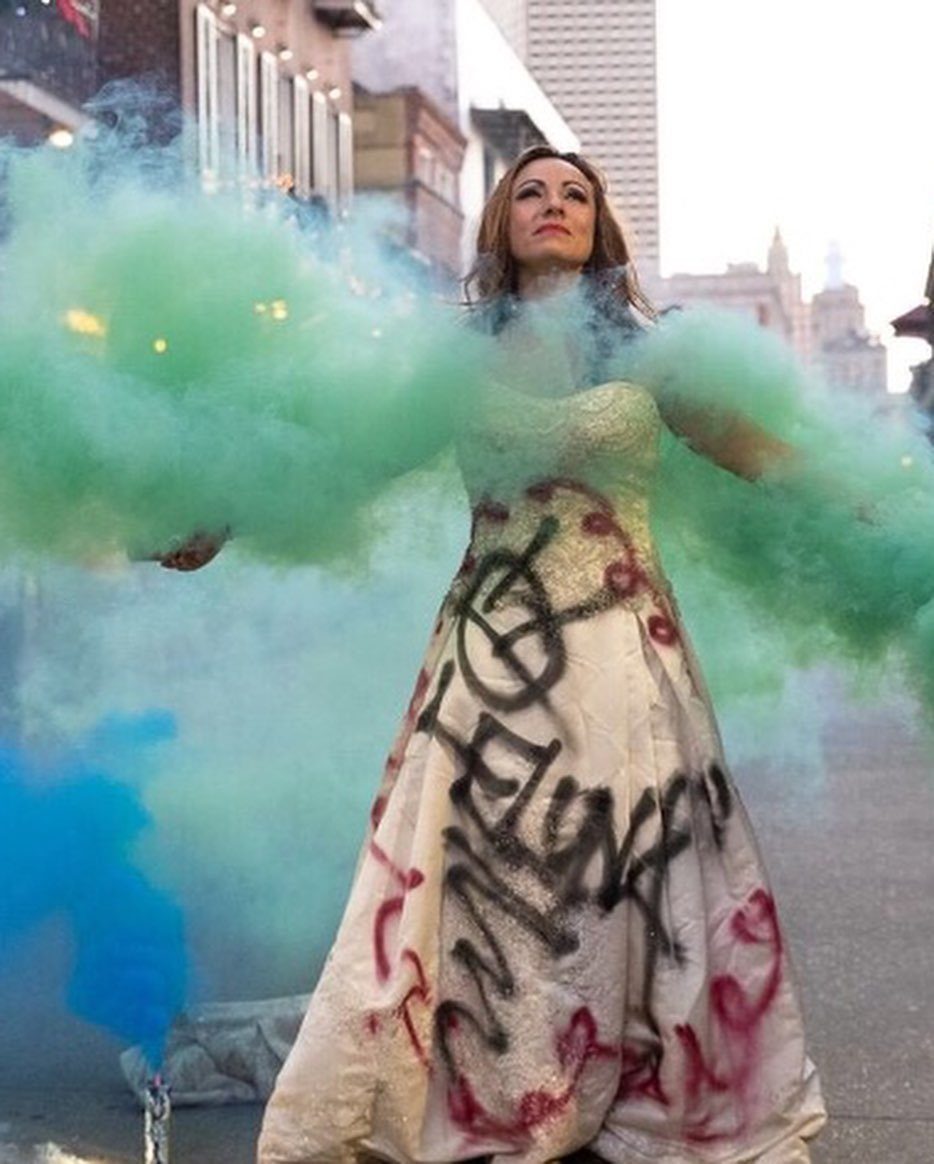
Red and black spray paint across white satin: this is vandalism as aesthetic, and it only works if you commit fully.
The paint needs to look thick and the lines large; half-measures read as stains, not statement. I would not try this on a beloved family gown; buy something inexpensive and accept that the result is single-use.
You need fabric paint, not hardware-store spray, or the dress will crack where you sit. Test on a hidden panel first.
The decision to make is whether your photographer can handle this; some will love it, others will freeze. Ask to see their work with bold color and movement before you book them for this look.

Ivory off-white lace mini-length dress inside, flowy hi-low chiffon overlay. Halter neckline, front keyhole, strappy and invisible back zip-closure. Great dress for any parties. Very stretchy comfortable fit.

【Fabric】This a line mini dress is made of super soft double-layer fabric, breathable and lightweight, perfect for spring and summer. Superior high elasticity is not picky about body shape, showing a beautiful silhouette.

Comfortable Fit: Crafted from soft, breathable materials to ensure all-day comfort for your little one.
7. Button-Down Shirt Dress with Veil
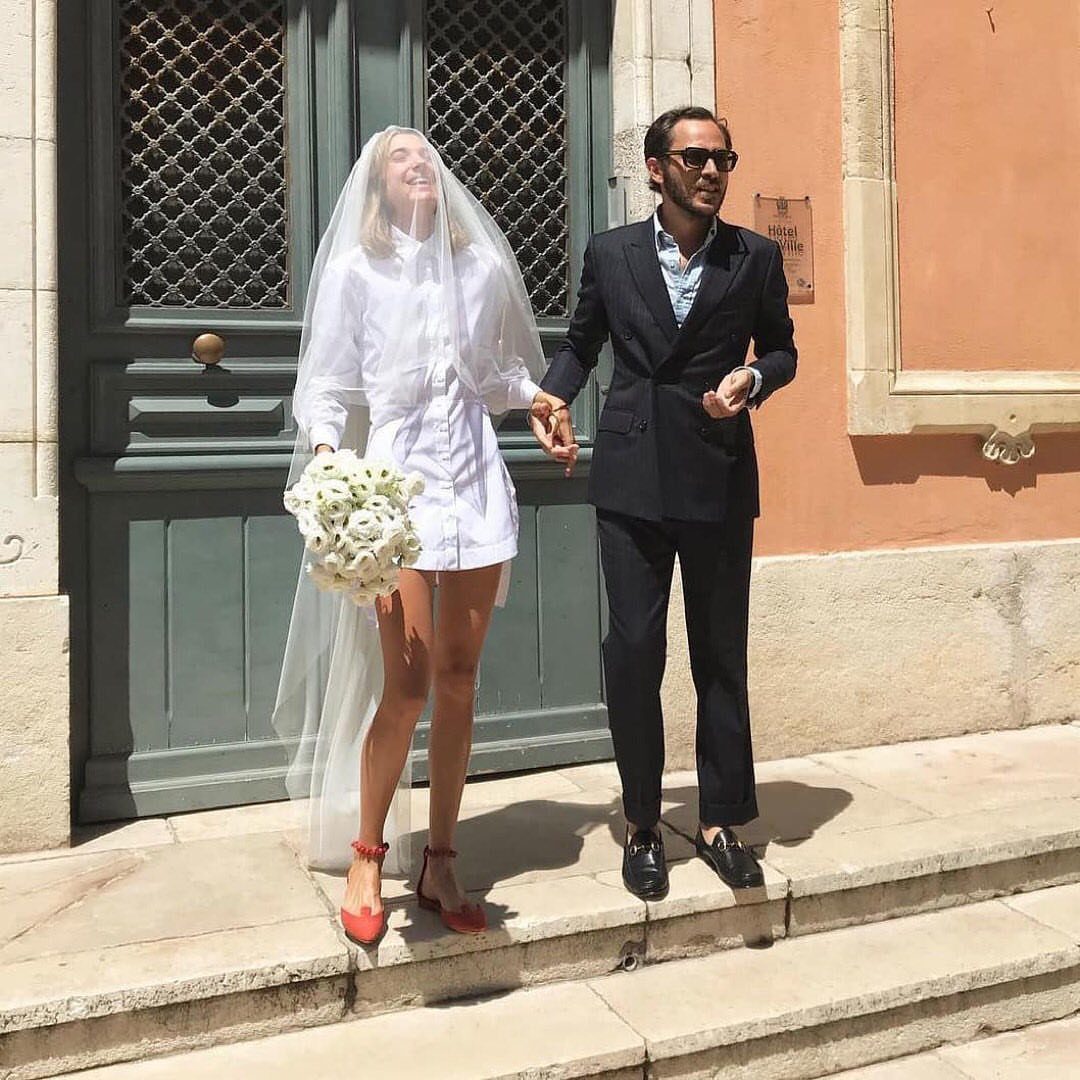
A white button-down mini dress with a long veil and red heels turns office wear into wedding wear by refusing to apologize for either half of the pairing.
I like this for a city hall ceremony or a quick signing with lunch after; the veil keeps the occasion visible in photos while the shirt dress lets you sit, eat, and move through the rest of the day without a costume change.
The mini length needs good legs or good tights, and the heels should be a color, not nude, or the whole thing goes bland.
Budget is the win here: a crisp cotton shirt dress from a mid-range retailer costs less than most traditional gowns, and you will wear it again.
Check that the fabric is thick enough not to flash under daylight; test it in sun before the day.
The veil carries the bridal signal, so go longer than you might think; short veils with short dresses read costume rather than choice.
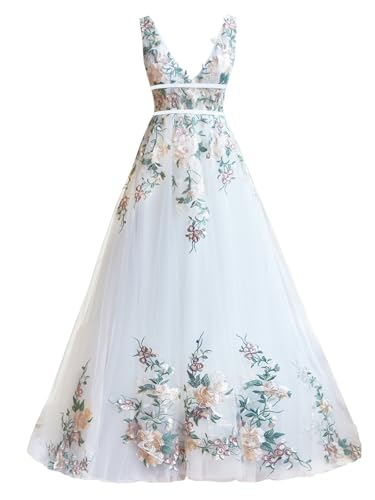
Features:The boho wedding dresses for women bride,long tulle wedding dress,embroidered floral wedding dress,lace appliqued wedding party gowns,western wedding dress is the best choice for your prom formal evening wedding party homecoming graduation occasions.

Size: [Model's height 5'5", Body Measurements Bust 32.48, Waist 24.6, hips 34.45 inches, wears size XS. Each variation product has a unique size chart. Please follow the size chart in the product photos and choose the size based on your own body measurements before buying. Thank you!

Plunging neckline hits at the breastbone
Choosing the Right Wedding Dress
Body type matters less than how the dress moves where you actually stand.
A short dress with tights works when your arms are free and your legs do the walking; a ballgown needs a waist that holds under its own weight, not yours.
Try sitting in anything before you buy it. Most bridal salons have you stand still on a platform; your wedding day is hours of chairs, car doors, and leaning in to hear people.
The home try-on programs that some boutiques now run let you test this properly, in your own light, with your own mirror height.
Personal style is the part you already own. Pick the dress that feels like clothing you would wear to the best party of your life, not a costume version of someone else’s.

Exquisite Lace Embroidery Detail: This women’s lace embroidery dress features intricate lace detailing that adds a sophisticated and romantic touch to your look. The delicate embroidery enhances the overall design, making it perfect for formal events, weddings, or evening galas.

Material: long sleeve wedding maxi dress made of high-quality non-stretch embroidered lace fabric,100% polyester with SHORT lining. Soft and comfy.

Material: This white off shoulder lace maxi dress made of 100% polyester,High-quality Non-Stretch through embroidery lace fabric.Comfortable & Breathe freely.
Home Try-On Programs
Some boutiques now let you select up to three dresses to try at home for $65 each.
What you paid to try it at home comes off the price when you buy. This removes the bridal salon pressure and lets you see the fabric in your actual venue light, with the people whose reactions you trust.
I would use this for anything non-traditional in particular. A dip-dyed hem or a graffiti-painted skirt looks different in a showroom with spotlights than it does in your living room at 10 a.m.
The programs work best when you already know your rough size and have narrowed to a style; they are not for browsing from zero.
Check whether the dresses arrive pressed or wrinkled from shipping. Some fabrics, especially cotton lace, need a steam before they show their true shape.

Material: This velvet gown is crafted from high-quality 23% Polyester,10% Spandex,67% Acetate,this dress offers a perfect balance of luxury and stretch,offering an elegant texture. High-stretchy dress fits most kinds of shapes.

Size: [Model's height 5'5", Body Measurements Bust 32.48, Waist 24.6, hips 34.45 inches, wears size XS.] Each variation product has a unique size chart. Please follow the size chart in the product photos and choose the size based on your own body measurements before buying. Thank you!

Material:This dress is made of premium velvet and mesh, soft, breathable, stretchy, comfortable to wear.
Sustainability in Bridal Fashion
Alternative suppliers often build dresses to order rather than cutting bulk inventory that may not sell.
California-made cotton lace dresses are cut to individual measurements; no gown is made until the numbers are right. This cuts waste in 2 directions: unsold stock and ill-fitting returns.
Eco-friendliness in bridal usually shows up in fabric choice and distance shipped.
Cotton lace from a single studio travels less than a polyester gown routed through multiple warehouses. Made-to-fit takes longer than off-the-rack, and rush fees eat the savings.
Body positivity here is practical, not marketing.
A two-piece outfit or a backless dress with front structure lets you build around your own proportions instead of grading a standard pattern up or down. The supplier still needs your measurements, and you still need a tape measure.

Luxurious Material: This elegant fabric features intricate 3D flower embroidery with sequin and beading accents, perfect for creating stunning wedding and party dresses.

Made from light stretch sateen of great elasticity and extension
Features:The boho wedding dresses for women bride,long tulle wedding dress,embroidered floral wedding dress,lace appliqued wedding party gowns,western wedding dress is the best choice for your prom formal evening wedding party homecoming graduation occasions.
Embracing Individuality
Individuality in wedding dress choice is not rebellion for its own sake.
A black velvet gown for a candlelit winter ceremony makes sense because the setting asks for it; the same dress at noon in a garden would fight the day.
The purple dip-dye or the spray-painted satin work when they connect to something you already do, not when they announce a personality you are trying on.
Family reaction is the real risk with any departure from white, and the money conversation and the taste conversation should not happen at the same moment.
Frequently Asked Questions
What are some of the most unusual wedding dresses?
Dip-dyed gowns with purple gradients bleeding up from the hem, graffiti spray-painted satin in red and black, and black velvet or heavy lace gothic dresses all stand well outside typical bridal convention.
These choices land better when they tie into who you already are instead of a version of yourself you are auditioning.
What is a non-traditional wedding dress?
Any gown that steps away from bridal tradition counts: color that is not white, lace laid out in unexpected ways, fabric that mixes textures, a back left open, a shape that looks more like your everyday style than a catalog page.
The departure can be subtle, like champagne linings or floral embroidery over ivory, or dramatic, like full black or spray-painted satin. Unconventional does not have to mean casual or bare; plenty cover you completely while still rewriting the design rules.