The 9 sections below run from specific gowns to the guidelines that shape them, and the right starting point depends on whether you want to see a finished dress first or learn what your parish expects before you shop.
[link-whisper-related-posts]1. Long-sleeved Lace Gown
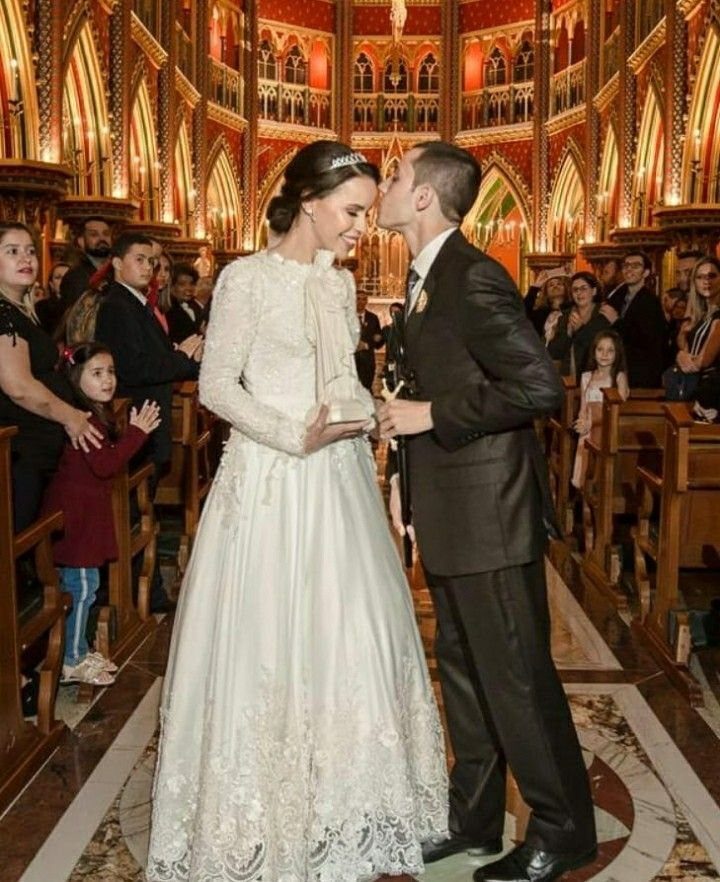
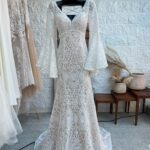
A long-sleeved lace gown carries the modesty a Catholic ceremony asks for without looking borrowed from another era. The sleeves do the work of coverage; the lace keeps them from reading as heavy.
I would look for a bodice with floral overlays rather than dense all-over pattern, since the eye needs somewhere to rest. A satin skirt underneath adds the structure that lace alone can lack.
The sweetheart neckline is the compromise that keeps the line from going too severe, and it photographs well in church light where a full high neck can flatten out.
If you are adding a veil later, keep the sleeve lace and the veil lace in the same family; mixed lace weights read as a mistake.

Shrugs for evening dresses is made of exquisite soft lace. Lace shrug will add more charm for your outfit.

Round Neck, Sheer Long Sleeve, Slim Fit, Flower Embroidery Lace Top, Lined
2. A-line Satin Dress
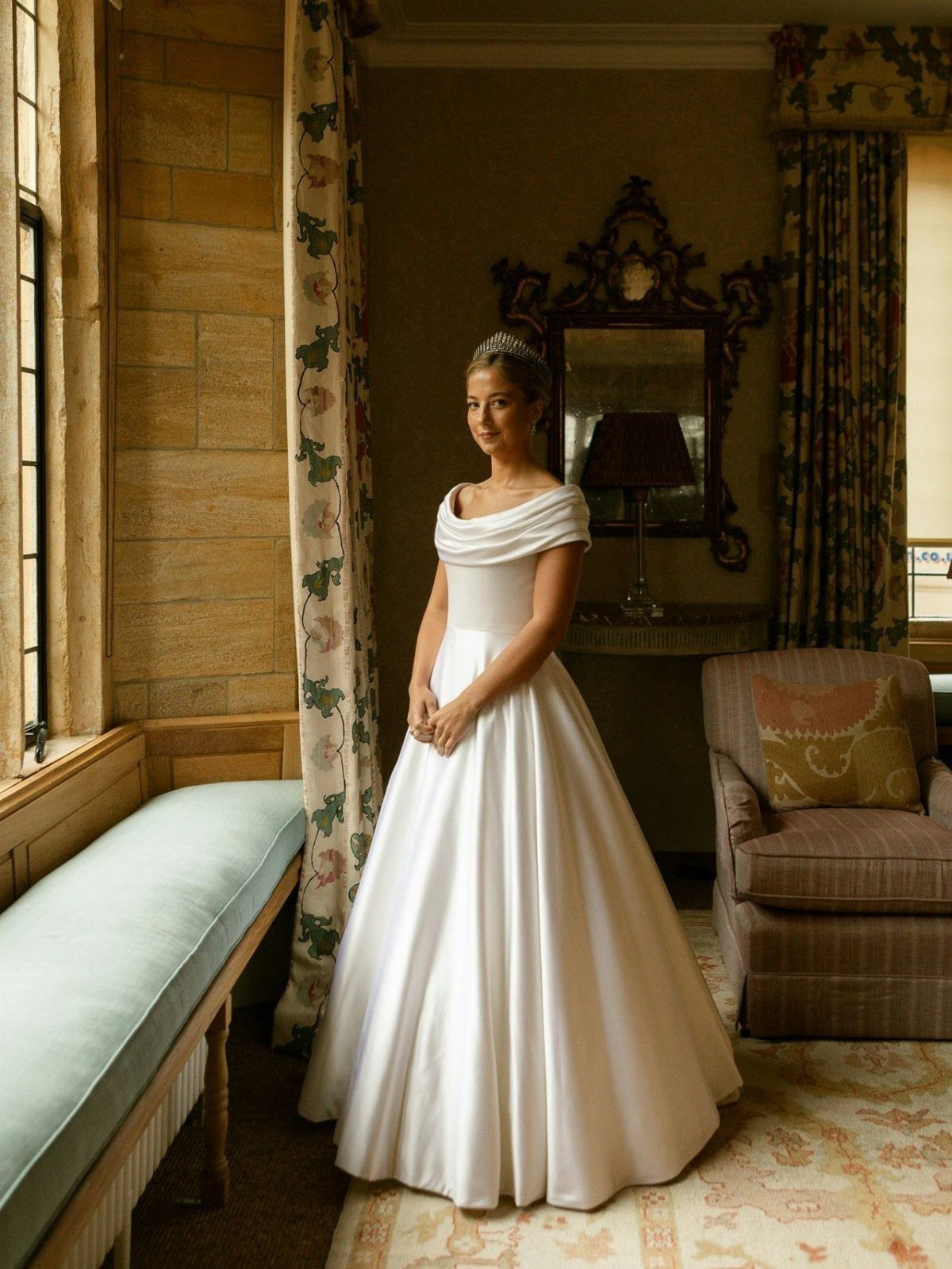
Satin brings a quiet formality that fits the aisle of a church without demanding it. The A-line cut is forgiving across the body types I have seen it on, and it moves well for the length of a Mass.
The square neckline is the detail I would watch for; it frames a face in a way that reads as deliberate, not accidental.
Long lace sleeves keep the arms covered for the ceremony, and the satin body underneath gives the eye a place to rest. A sheer lace-trimmed veil ties the materials together without adding another texture.
For the budget-conscious, satin photographs as expensive even at moderate weights, so this is a place where you can spend less and not show it.

【COMFORTABLE MATERIALS】The women midi dress is made of 92% polyester and 8% spandex. Soft and breathable materials make you feel comfortable in all days. Good quality stretchy fabric with a nice drapey effect, not easy to wrinkle.

MATERIAL: 95% Polyester, 5% Spandex
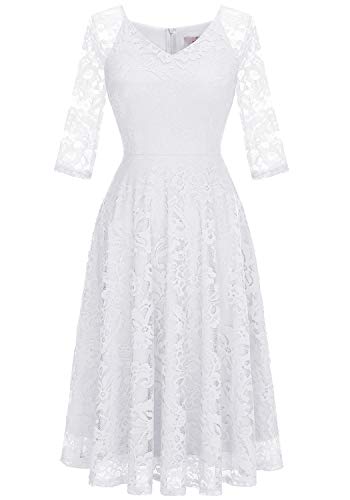
Fabric: Lace wedding guest dresses for women, crafted from quality floral lace with a soft, skin-friendly stretch lining to prevent itchiness and ensure breathable. The material is lightweight yet durable, offering a comfortable fit that moves with you, making it suitable for summer all day wear at weddings or evening events
3. Cathedral Veil with Lace Wedding Dress
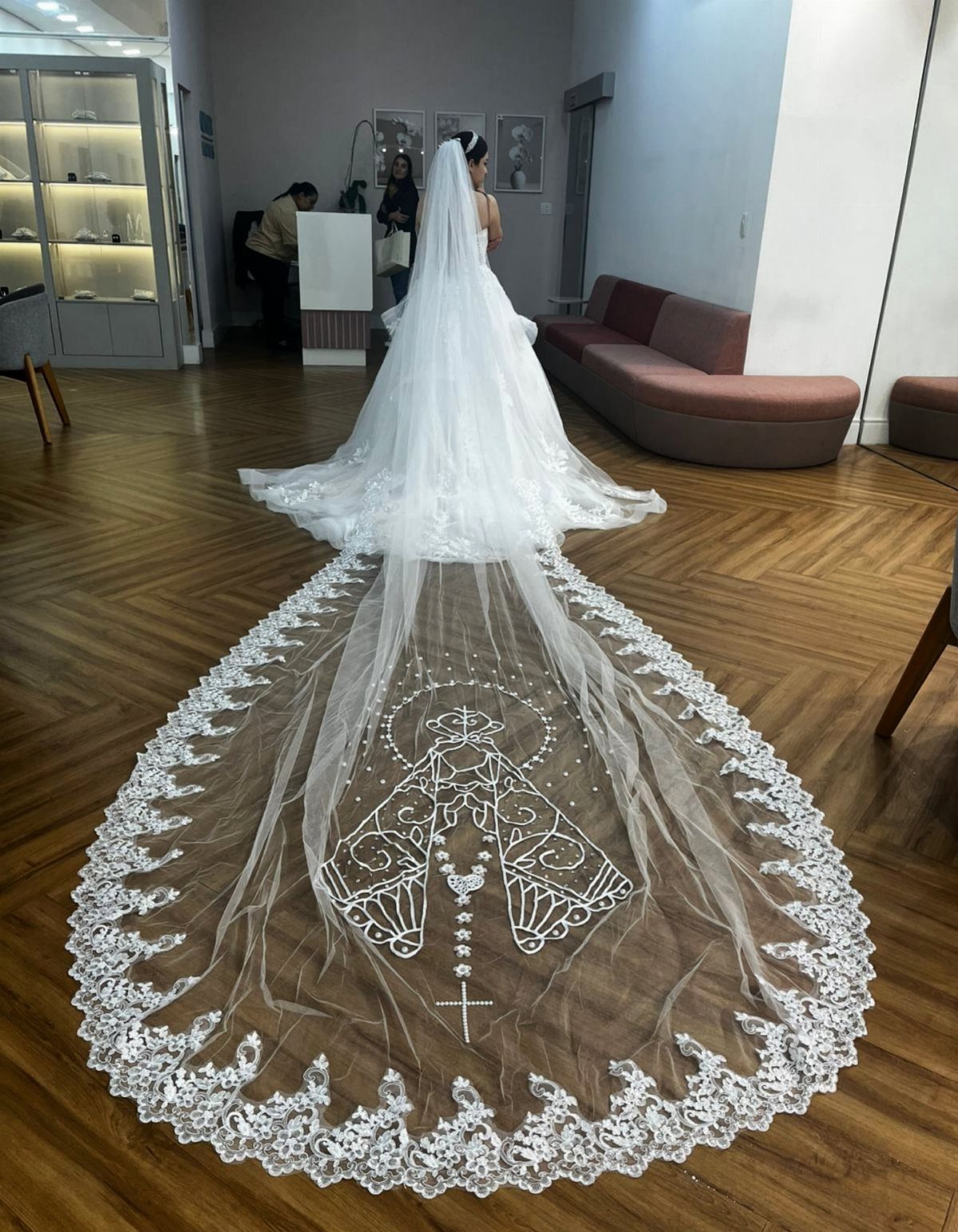
A cathedral veil does the heavy lifting: it takes a simple gown and makes it belong under a high ceiling. It needs the length to work; anything shorter and the drama collapses into costume.
Scalloped lace edges give the veil weight so it hangs rather than floats, and that weight matters when you are walking down a long aisle.
I have seen brides pair this with a relatively plain gown and let the veil carry the detail, which is the smarter split when the budget is tight.
The tulle should be sheer enough that your face is not swimming in fabric; you will be photographed from the front more than the back.
Save this for churches with the space to hold it; in a small chapel it can read as too much.

Choose the ideal length for your ceremony,fingertip length 37.4inch/95cm,chapel length 98.4inch/250cm,cathedral length 118inch/300cm,width 59inch/150cm

Stunning Cathedral Length Design:Features an elegant 3M x 1.6M long tulle veil with a dramatic trailing train, creating a breathtaking, red-carpet-worthy look that adds timeless romance to your wedding photos.

Package Includes: the package includes 1 white bridal veil with 3 combs, offering a long cathedral inspired shape with noticeable trailing effect behind the gown; This design works well for brides seeking lace detail, soft tulle drape, and a fuller ceremonial look, making it suitable for wedding day styling, bridal portraits, rehearsal photography, and formal venue dressing where a long lace headpiece can add elegant framing around the dress and a more complete overall bridal presentation
4. High Neckline Lace and Satin Wedding Dress
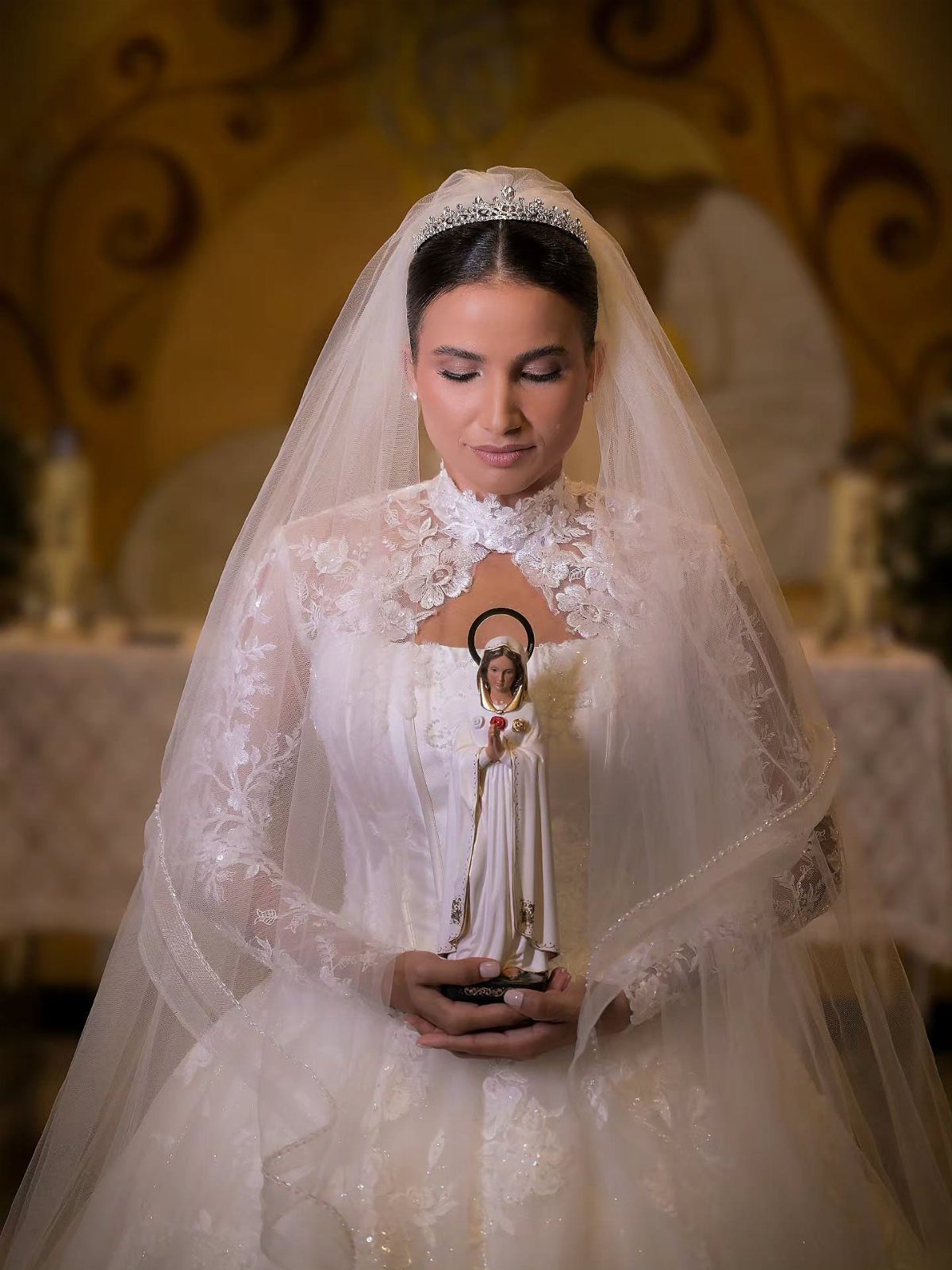
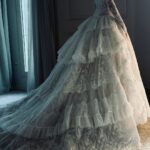
A high neckline in lace reads as traditional without the severity of a solid fabric. The sheer lace sleeves keep the coverage from going heavy, and the satin skirt below gives the gown its shape and its ease of movement.
This is the cut I would suggest for a winter wedding or a church that runs cold; the bodice holds warmth better than a strapless or plunging version ever could.
The sheer veil keeps the vertical line going, which matters when the neckline is already drawing the eye up.
Check that the lace at the throat sits flat when you turn your head; a gap there breaks the line and photographs as a mistake.

Chic semi‑formal midi dress style. Smooth satin halter top contrasts with artistic hollow crochet lace skirt. Sleeveless halter design highlights beautiful neck and shoulder lines. Midi‑length lace silhouette presents elegant romantic temperament. Perfect for ladies preferring sophisticated semi‑formal party dressing style.
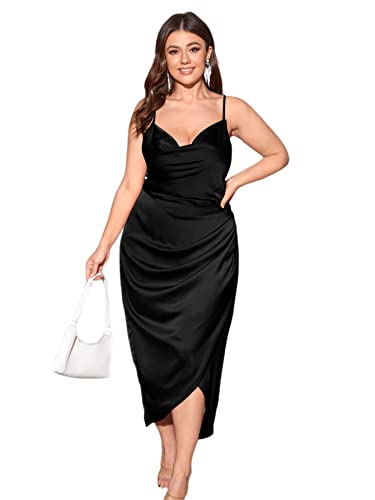
Fabric has slight stretch

Fabric has some stretch, slim-fit dress for women
5. High Neckline Lace Gown with Cape
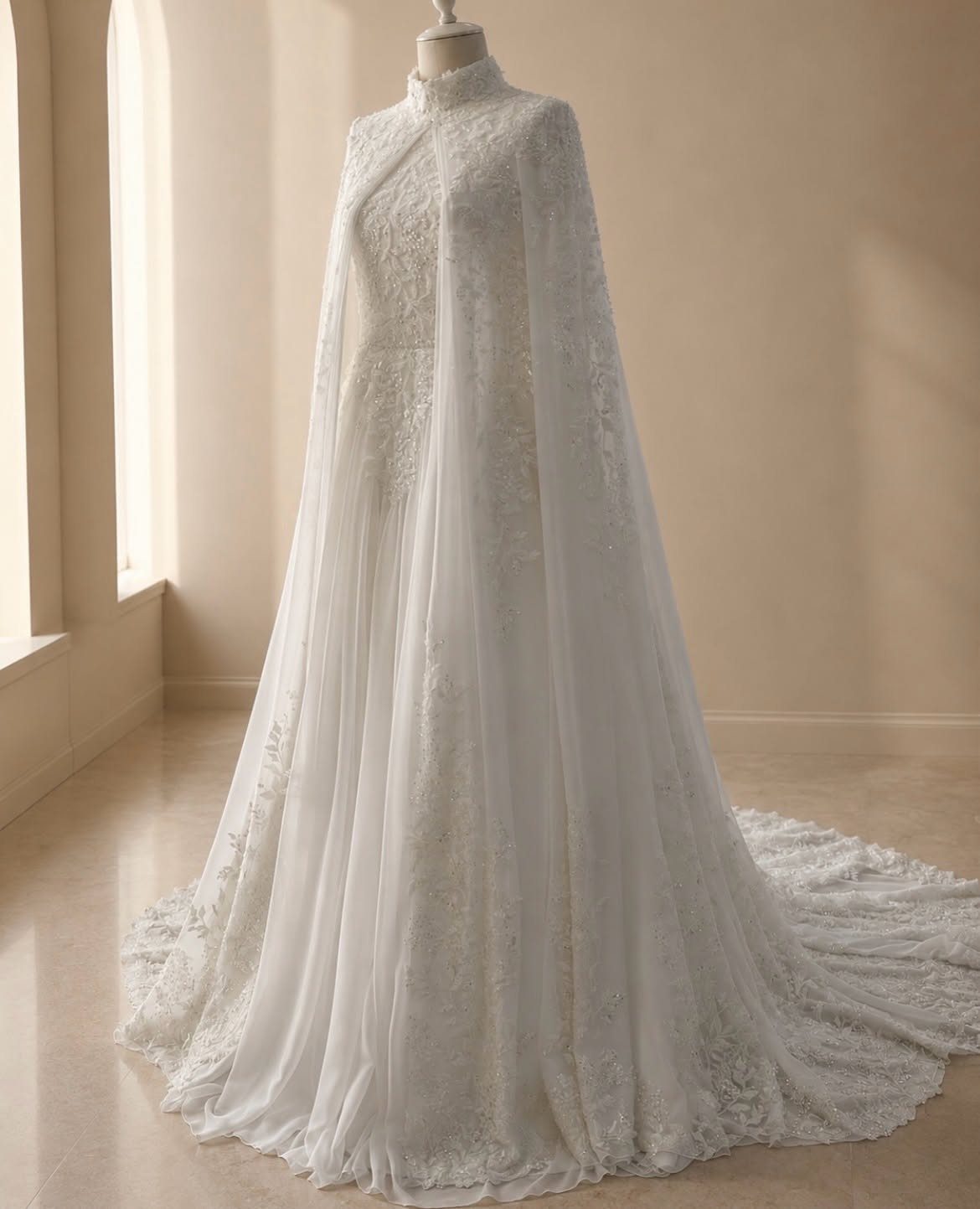
The attached cape solves the coverage question for the ceremony without adding a separate piece to track.
A sheer lace floor-length cape moves like a veil but stays put, which is the practical difference that matters when you are holding flowers, a rosary, and someone else’s hand in the span of an hour.
I like this for the bride who wants the drama of a train without the logistics of bustling it later; the cape comes off for the reception, and the gown underneath stands on its own.
The high neckline and long sleeves keep the vintage reference clear without tipping into costume.
Make sure the attachment point is invisible; a visible seam where cape meets gown reads as an afterthought.

[ 118-INCH CATHEDRAL WEDDING VEIL ] Create a stunning bridal entrance with this 118-inch wedding veil, featuring a 63-inch width and elegant cathedral-length train. The long wedding veil adds graceful movement and a dramatic touch to your bridal gown, making it a beautiful choice for brides seeking a classic and romantic wedding look.

[ Size ] This 118-Inch Ivory Wedding Veil Boasts a Grand Cathedral Length for a Show-Stopping and Majestic Look. With a 59-Inch Wide Flow, This Bridal Veil Creates an Unforgettable Aisle Moment with Its Elegant Train.

Cathedral Length Design: Elevate your bridal look with a stunning cathedral length veil measuring 63" (W) x 118.1" (L); ideally complements long, elegant gowns; adds grandeur to your wedding day
6. Floral Lace Ballgown with Veil
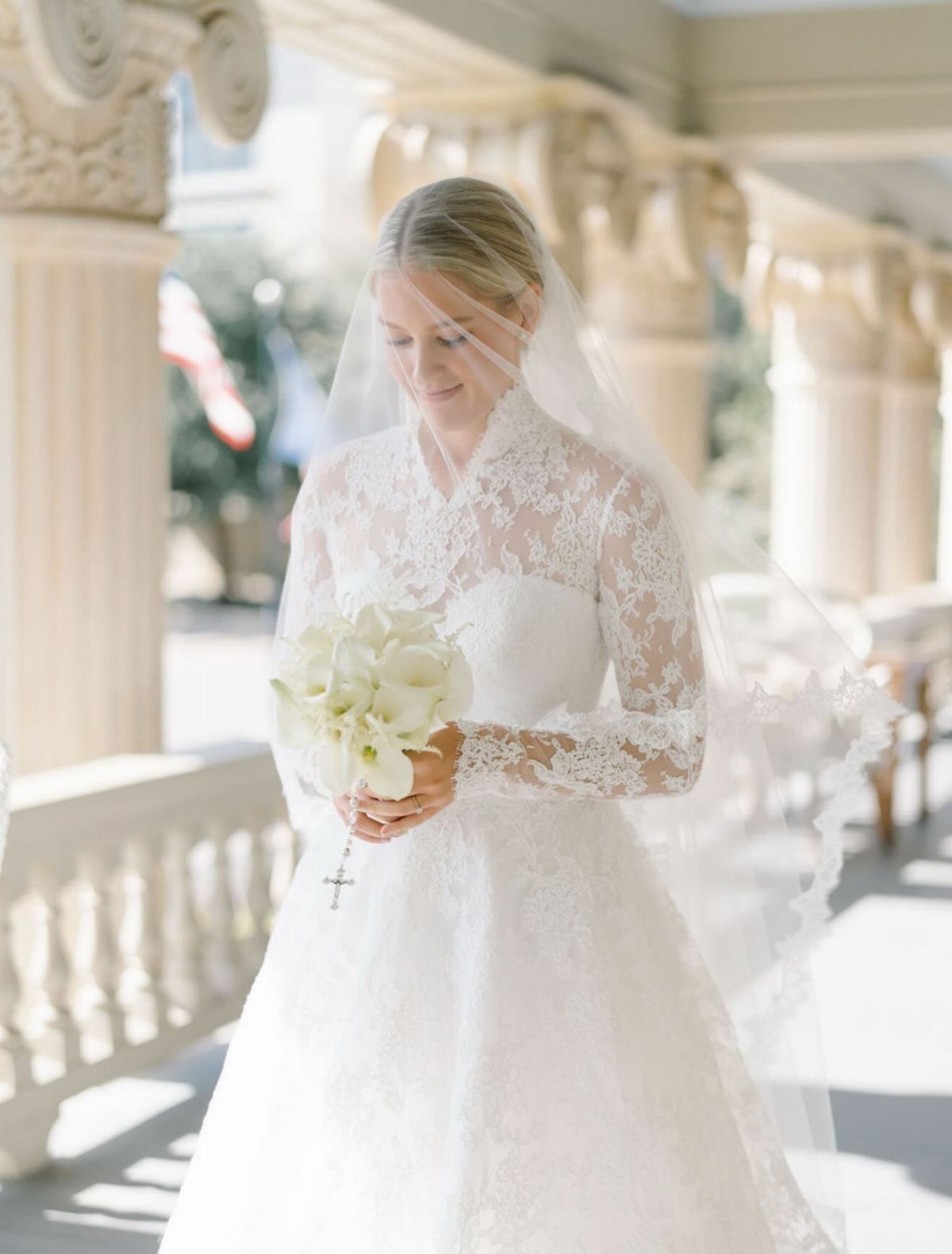
Floral lace on a ballgown gives the volume that some churches and some brides call for.
The high neckline keeps the bodice from going too severe against all that skirt, and the long sleeves balance the proportions so the eye does not stop at the waist.
Wide lace floral borders on the veil echo the gown’s pattern without matching it exactly; exact matching looks like a set, and sets read as less expensive than they are.
The tulle veil should be sheer enough that the lace borders read as the detail, not the tulle itself.
This is the most fabric of any entry here, so budget for alterations; a ballgown that does not fit at the waist collapses into costume.

Material:The lace dress made of 100% polyester soft and high quality eyelash lace fabric, lightweight and breathable. Comfortable to wear and touch.

Size Guide: S=US 4-6, M=US 8-10, L=US 12-14, XL=US 16-18. If you don't like ‘too tight' feeling, we recommend regular; or size up(if you have bigger busts or hips)

Comfort & Style:Crafted from delicate, high-quality lace mesh, this bodycon dress offers a sumptuously soft feel with a breathable, lightweight finish. The intricate lace detailing adds a touch of timeless elegance, while the stretchy fabric blend ensures all-day comfort and freedom of movement
Catholic Wedding Dress Guidelines
The Catholic Church leaves the specifics of dress to parish priests rather than canon law, so the requirements you face depend on the church.
Some expect full sleeves and covered shoulders; others accept sheer lace or a bolero added at the church door.
The safest move is to ask your officiant directly, and to do it early enough that your order timeline can absorb a change.
Modesty here means your shoulders and back stay covered during the ceremony, not that the dress has to look severe or plain.
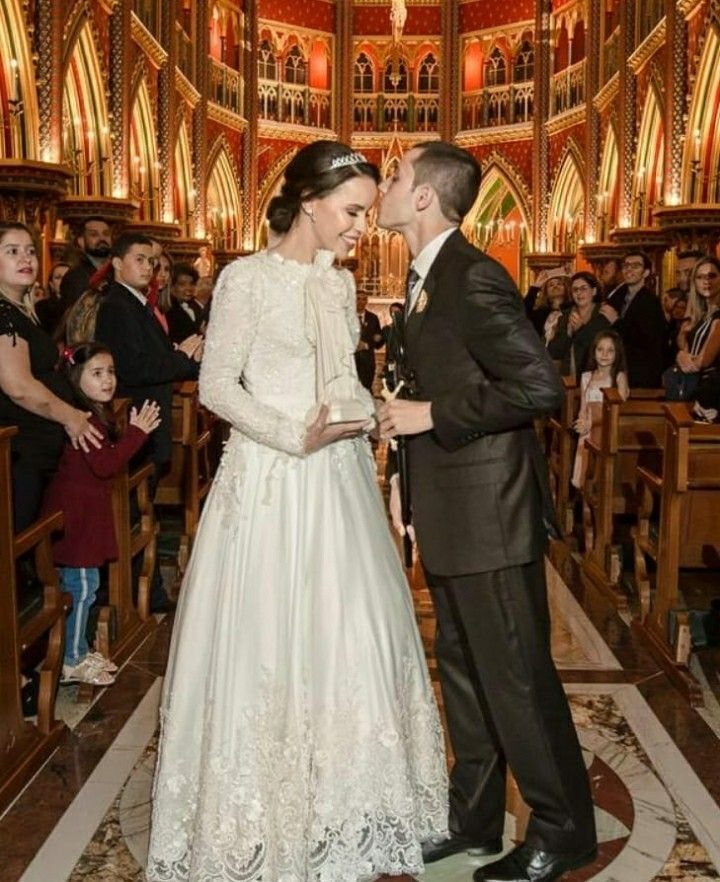
The illusion neckline, long embroidered sleeves, and covered back buttons I have seen in current designs all satisfy the requirement without turning the bride into a figure from a different century.
The covered back is the detail most often specified; a low back, even in lace, is the thing most likely to be asked about.

Stand Out in Style: Our vintage dress features a round neck, flare bell sleeve, and decorative belt for a chic and sophisticated look. The unique bell sleeve design adds a touch of retro flare and adds visual interest to the look

Fabric has non stretch

👗Fashion Design: Round Neck with Keyhole Tie, Short Sleeve, Flared A-Line silhouette, Concealed zipper in the back. Belle Poque Semi Formal Swing dress is a lovely Defined Waist Dress to brings out your captivating charm.
Bridal Accessories
A cathedral veil with scalloped lace edging is the accessory that most clearly signals this is a church wedding, not a garden party.
The length matters: it should reach the floor or beyond, or the effect collapses. Pearl earrings and a tiara are the pairing I see most often, and they work because both read as deliberate rather than trendy.
The rosary in the bouquet is the detail specific to a Catholic ceremony. It can be your own, or one gifted for the day; either way, it should be placed so it photographs cleanly and does not tangle with stems.
White roses with greenery last through the whole Mass without wilting, which is why you see them so often.

Two lengths are available,chapel length 98.4inch/250cm,cathedral length 118inch/300cm,width 59inch/150cm

Classic cathedral length 118inch/300cm,width 59inch/150cm
Two lengths are available,chapel length 98.4inch/250cm,cathedral length 118inch/300cm,width 59inch/150cm
Dress Materials
Satin underneath gives the dress its weight and shape; lace on top handles the coverage without looking heavy.
The weight of each material is what determines how the dress reads.
Heavy lace on heavy satin is too much; the eye needs the contrast of a sheer lace against a solid body, or a matte satin against a shiny one.
Tulle in a veil should be chosen for transparency first.

SIZE RECOMMEND: US 4/6(Small), US 6/8(Medium), US 10/12(Large), US 14/16(X-Large), US 16/18(XX-Large). Please choose a size up if you don't want a too tight fit effect.

Comfy Wear: Adjustable Hook & Loop High Neck Collar & Elastic Bell Cuffs

Comfortable fabric: This maxi dress is made of Polyester and Spandex, which has excellent drape and wrinkle resistance, making it easy to wear an elegant and high-end look; it has just the right amount of elasticity, fits closely but not restrictive, making the body curve more beautiful
Traditional Styles
The traditional style in a Catholic wedding is not a costume of another era but a deliberate choice about what the ceremony means.
The vintage reference is clear in the cape attachment and the bishop sleeve, but the line between reference and costume is thin.
The test is whether the dress still works when the veil comes off and the bride moves to a reception.
A bodice that holds warmth, a skirt that moves over layers, and a neckline that does not require adjusting every few minutes: these are the details that matter across the length of a full Mass.

[ DRAMATIC CATHEDRAL LENGTH ] Walk down the aisle in timeless elegance with this 118-inch cathedral wedding veil. The 63-inch-wide design creates a graceful, flowing train that beautifully extends behind the bride, adding a sophisticated and romantic finish to both traditional and contemporary wedding gowns.

The cathedral length veil is 118 inch/300cm long and 118 inch/300cm wide, with a large, round train

This lace veil is available in two lengths - 39 inches and 118 inches - and has a width of 63 inches. It is specially designed for weddings and can add a solemn atmosphere to the entire ceremony.