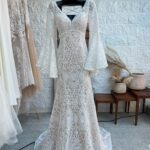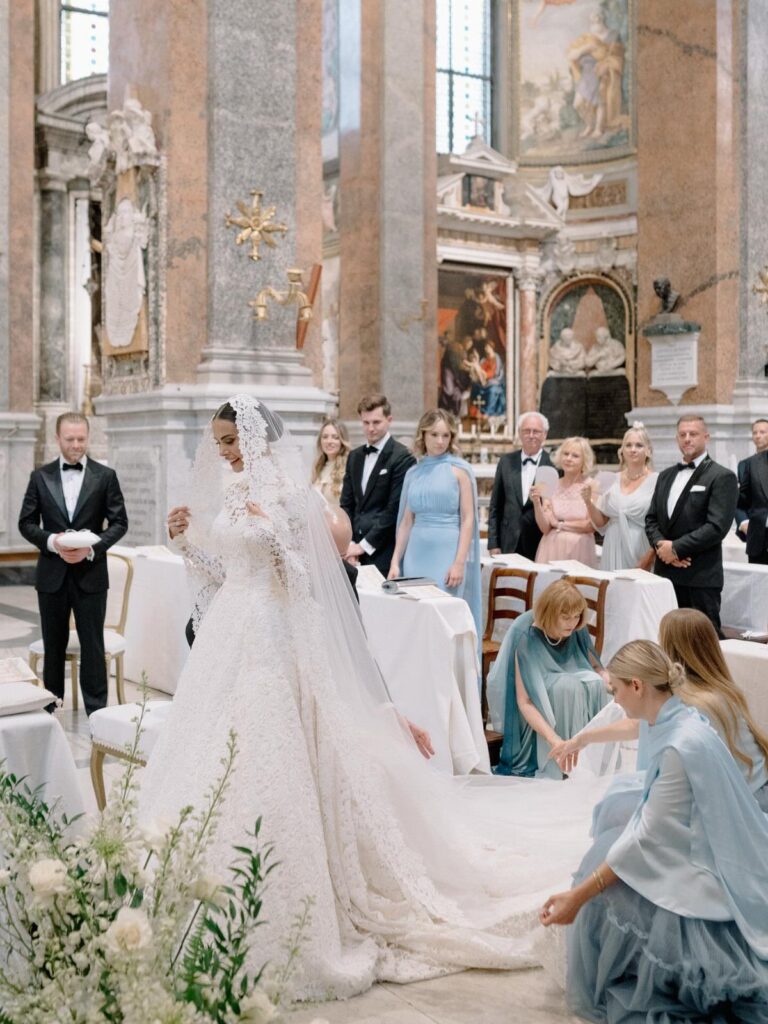
A church wedding dress ranges from an illusion neckline that covers what your church asks covered to a satin gown that keeps its shape through kneeling, and the right one depends less on trend than on your church’s specific rules about sleeve length and neckline depth.
Satin gowns, lace, and tulle each read differently under stained glass, and the heavier satin in this list will hold its shape through kneeling where lighter fabrics pool and crease.
[link-whisper-related-posts]1. Illusion Necklines
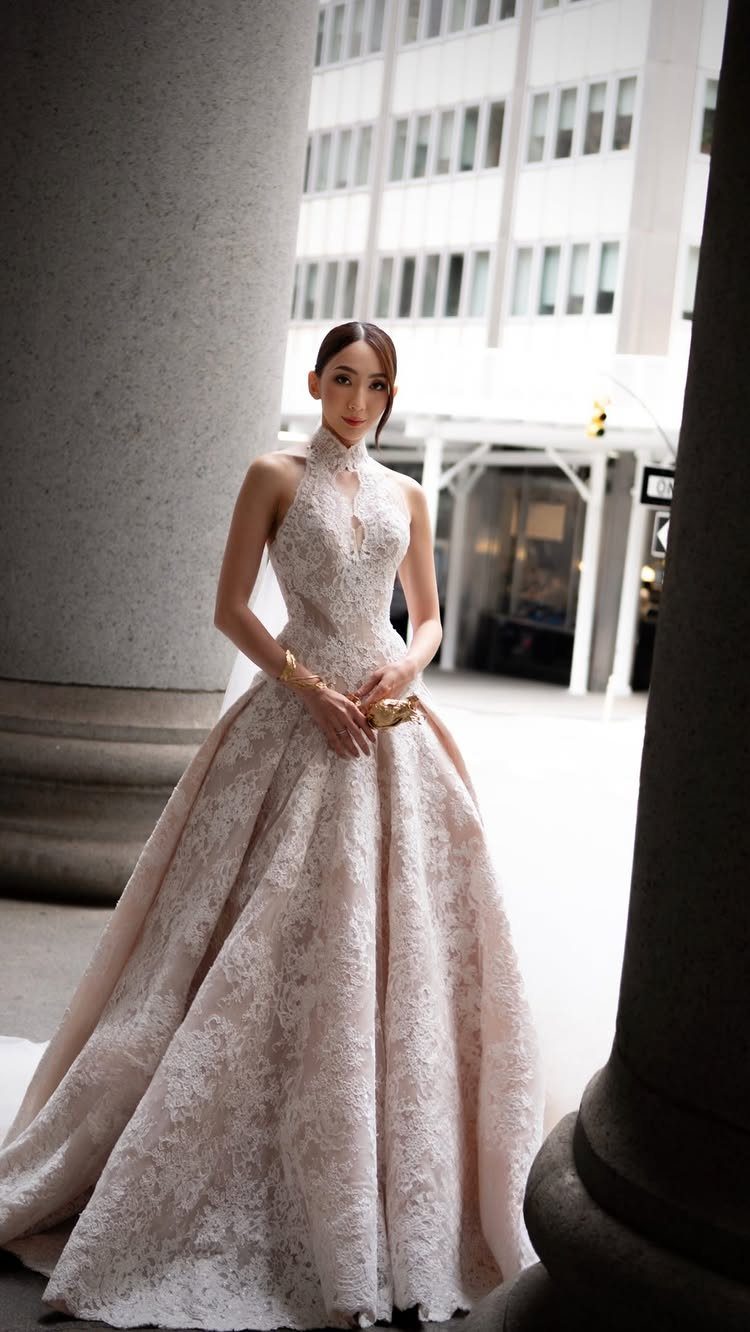
An illusion neckline gives you the coverage many churches prefer without the heavy look of a solid high neck.
Sheer fabric, usually tulle or lace, extends from the top of a sweetheart or V-neck up to the collarbone or higher, sometimes reaching a full bateau shape.
You get the modesty of a high neck with the lightness of something more open.
I like this option for brides who want to honor a dress code but still feel like themselves. The sheer panel keeps the dress from reading as too plain or too covered up.
Lace versions add texture; plain tulle stays quieter. Either way, the effect reads as intentional, not apologetic.
If your church asks for shoulders and chest covered, this solves it without adding a separate piece to keep track of.
No bolero to lose, no cape to fuss with. One dress, one neckline, done.

Notice:The bow on the waist needs to be tied, not existed originally

Notice:The bow on the waist needs to be tied, not existed originally

Notice:The bow on the waist needs to be tied, not existed originally
2. Long-Sleeve Dresses
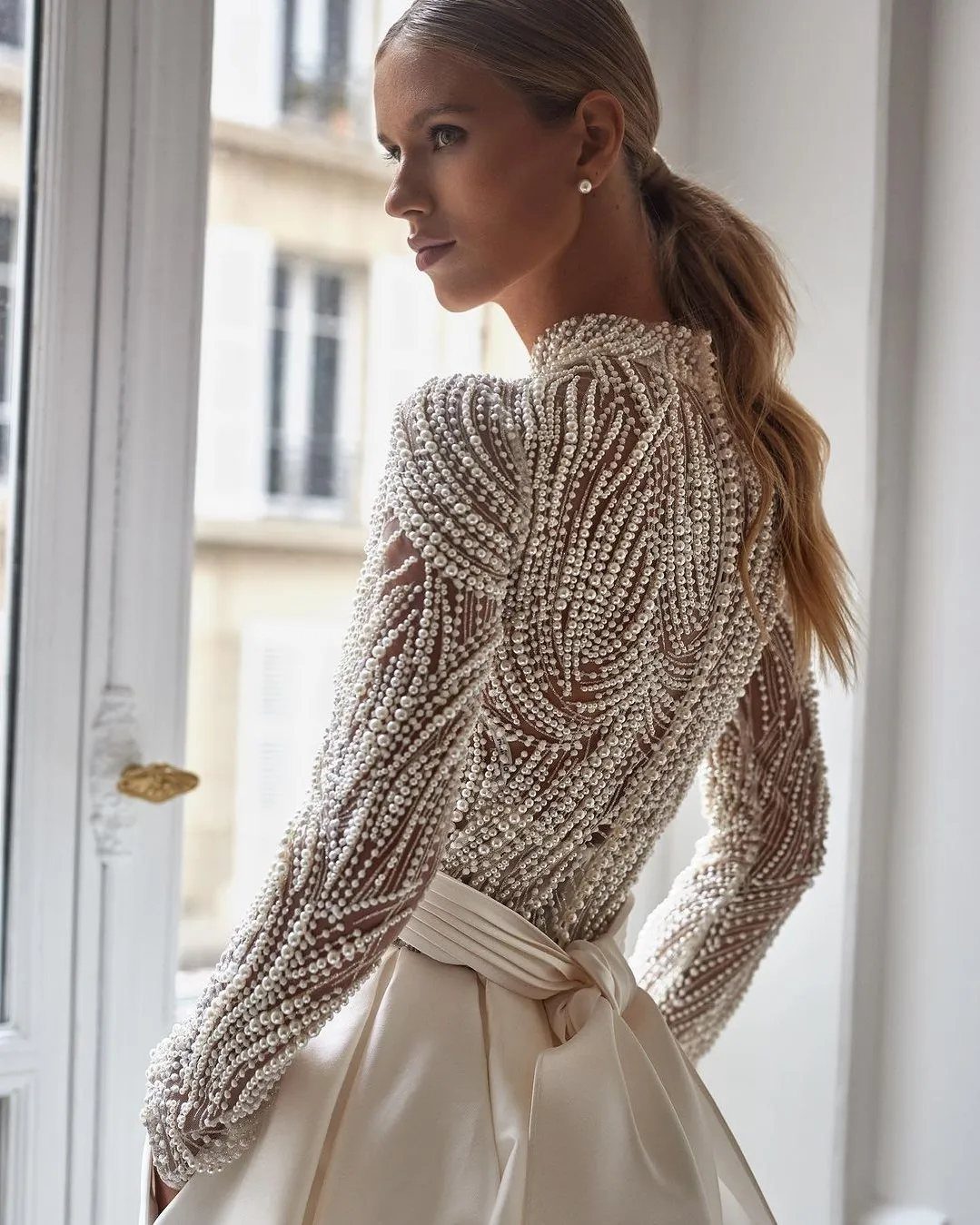
Long sleeves carry a formality that fits the pace of a church ceremony.
Chiffon keeps them light and moving, lace gives you pattern and texture, crepe sits clean and modern. Pearl or beadwork on the sleeve turns the arm into something worth looking at rather than hiding.
For a winter wedding, this is the obvious choice; for spring or fall, lighter fabrics keep you from overheating in a building that may already run warm with guests.
I would ask about the church’s heating situation before committing to a fully beaded sleeve in July.
The coverage is complete, which satisfies traditional expectations without requiring any add-on. You walk in covered, you walk out covered, no adjustments needed.

👗 【Elegant Design】--Satin, Pearls Beaded, Lace, long sleeves, lace-up, Built-in boning and bra provide structure and support, highlighting the X silhouette. Soft lace, Tulle Mermaid dress.Designed to celebrate your unique radiance and love story, this dress isn’t just bridal wear—it’s a celebration of you. Step into your wedding day feeling confident, beautiful, and unforgettable, in a gown that matches the magic of your love

👗 【Elegant Design】--Satin, Pearls Beaded, Lace, long sleeves, lace-up, Built-in boning and bra provide structure and support, highlighting the X silhouette. Soft lace, Tulle Mermaid dress.Designed to celebrate your unique radiance and love story, this dress isn’t just bridal wear—it’s a celebration of you. Step into your wedding day feeling confident, beautiful, and unforgettable, in a gown that matches the magic of your love

This mermaid wedding dress features an illusion scoop neck and beaded semi-sheer sleeves, creating a soft glamorous bridal look while framing shoulders and arms elegantly. Its lace applique bodice with a built-in corset offers great waist shaping, sculpting an hourglass silhouette tailored for African women’s curves. Made of premium satin, the fitted mermaid skirt flatters hip and leg lines, and the removable overskirt with train lets you switch between grand ceremony and sleek reception styles.
3. Midi Dresses
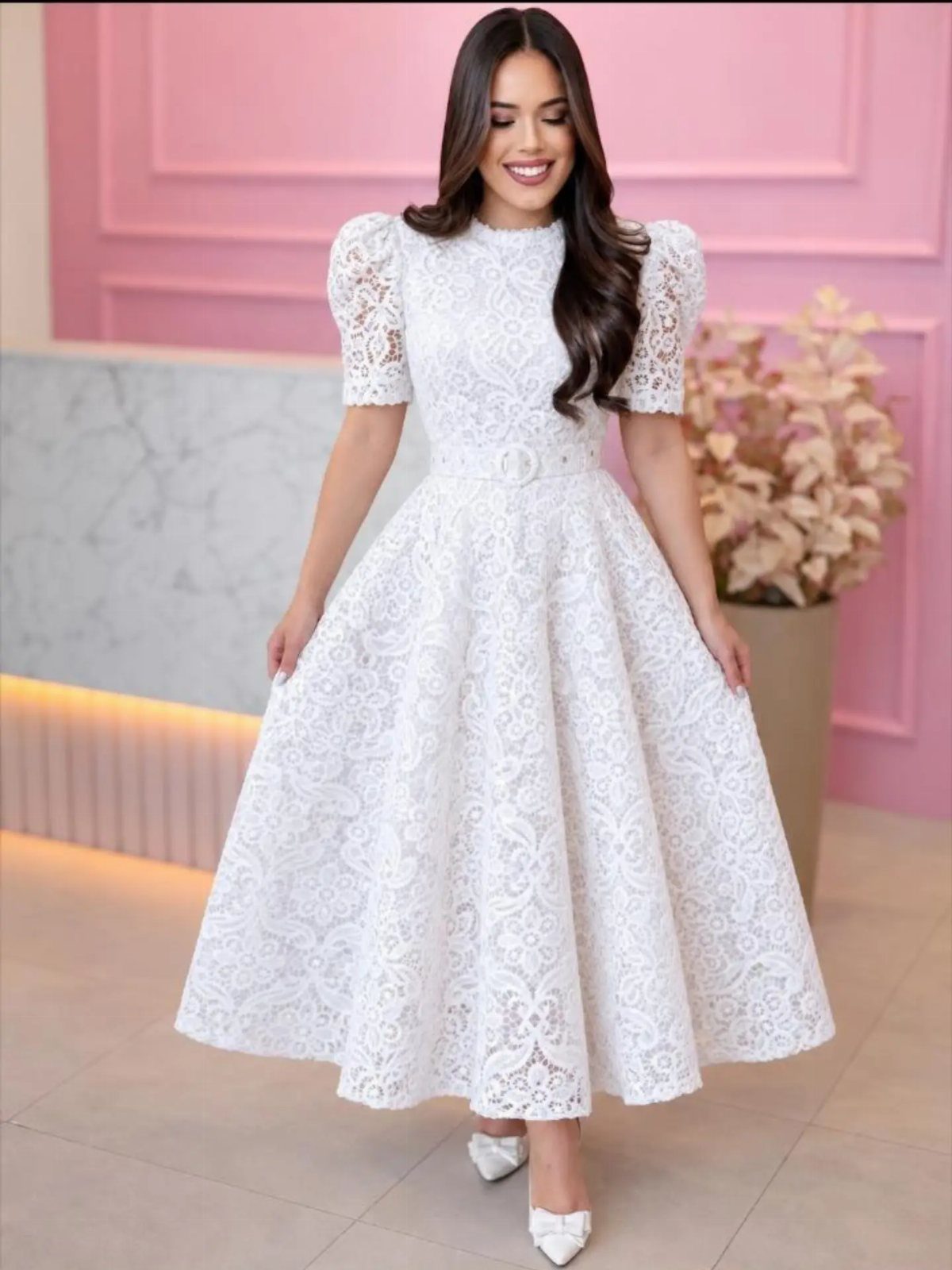
A midi hem hits somewhere below the knee to mid-calf, and on a wedding dress that length changes the whole attitude.
The dress becomes less performative, more wearable, still white and still bridal but not weighed down by expectation. Soft sleeves and a higher neckline keep it appropriate for a church setting without pushing into costume territory.
I see this working for a smaller ceremony, a second wedding, or any bride who wants to look polished without the full production of a floor-length gown.
You can move, you can sit in a pew comfortably, you can wear it again to a nice dinner and not feel absurd.
A puff sleeve adds a little romance; a fitted sleeve would read more modern.
Either way, the length is the statement. Own it with shoes worth showing off.

Women's Formal Dress: Mid calf !!! Cocktail dresses for women 2026 wedding guest are perfect for daily work, which will help you balance your weekend fun and work dress needs. aline, detachable decorative belt - all designs are for your semi formal needs

Material: 95% Polyester, 5% Spandex. Slight stretch, Wrinkle-resistant

Formal Dresses For Women: This cocktail dress features a refined crew neckline, cap sleeves, and a tea‑length skirt. Its fit‑and‑flare silhouette, accented by a fixed belt, delivers a flattering shape, ideal for wedding guests, tea parties, and semi‑formal events
4. Ball Gowns
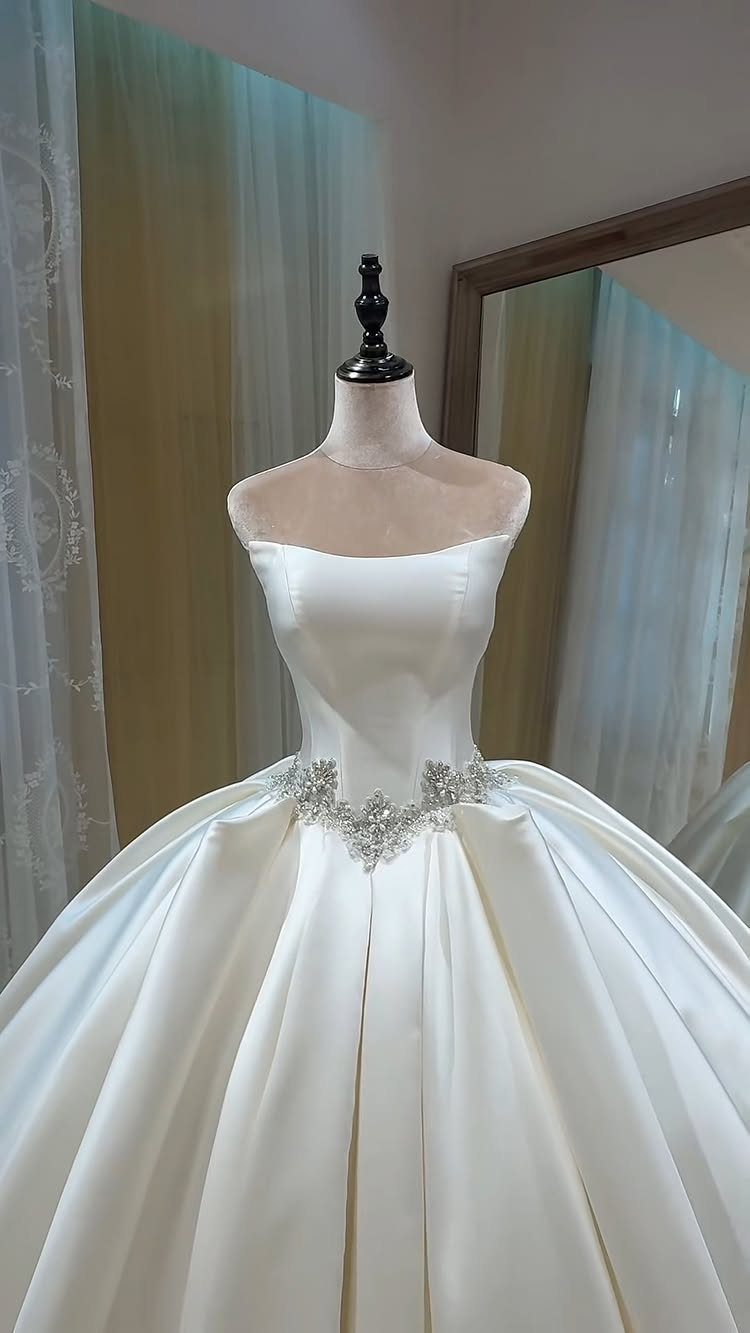
A ball gown builds its volume from the waist down, and that architecture does something specific in a church. The wide skirt fills the aisle, catches the light through stained glass, moves slowly enough that the moment feels considered.
The bodice stays fitted, and the beadwork at the dropped waist draws the eye to the narrowest point before the fabric explodes outward.
This is the most formal choice on the list. It suits a grand church with high ceilings and a long aisle to walk; in a small chapel it can feel like too much dress for the room.
The drama is built into the silhouette: the volume is there, the presence is there, and the shape carries the whole look.
Budget for alterations. The structure that holds that shape requires precise fitting, and a heavy skirt hangs differently once it is hemmed to your height.

Fabric: Lace wedding guest dresses for women, crafted from quality floral lace with a soft, skin-friendly stretch lining to prevent itchiness and ensure breathable. The material is lightweight yet durable, offering a comfortable fit that moves with you, making it suitable for summer all day wear at weddings or evening events

Silhouette: Aline style, scoop neckline, long sleeves, see through on the top of bodice and sleeve, decorated with applique lace, floor length, sweep transin, very unique design and cut. 100% handmade, high quality

Size:US standard size 2-26,but if you want to customize,please contact me after ordering,your detailed measurements are needed Bust,Waist,Hips,Arm Length,Hollow to floor,Height,shoes heel height
5. A-line Gowns
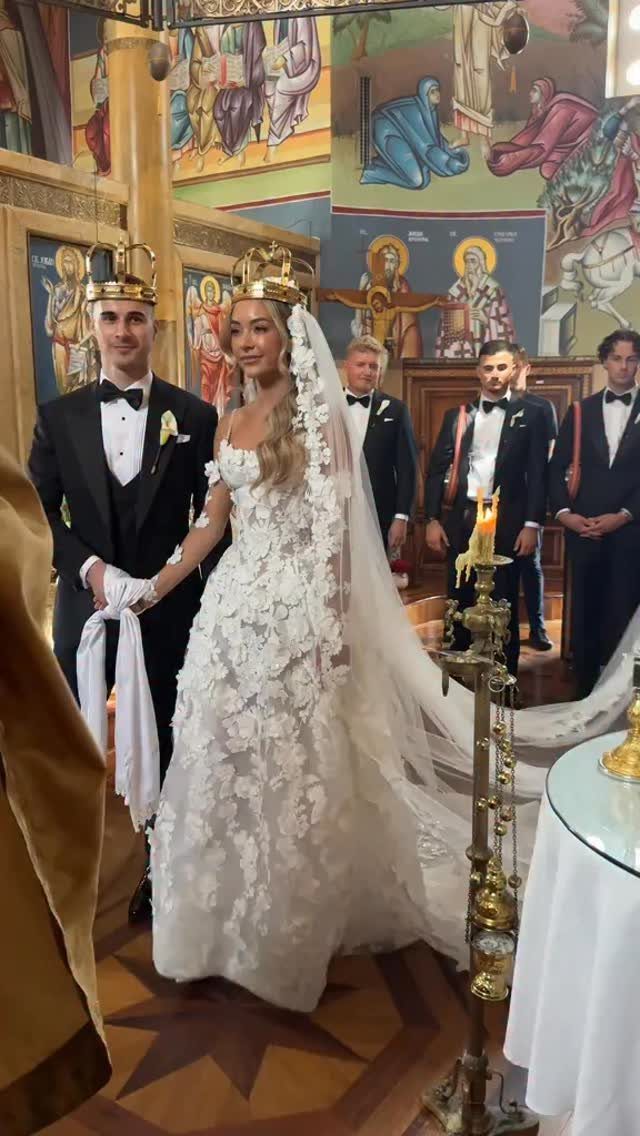
The A-line starts fitted at the bodice and waist and gradually widens toward the hem, never ballooning, never clinging.
That gentle slope flatters almost every body shape and moves easily through a church: up the aisle, into a pew, back out again without maneuvering. Lace appliqué keeps the fabric from reading as too plain for a ceremonial space.
I would choose this silhouette if I wanted one dress to carry the whole day, from the church through the reception, without a costume change.
It photographs well in the formal church setting and does not look overdressed once you move to dinner and dancing.
A long veil adds the traditional element; without it, the dress itself stays relatively simple. That is the trade: more accessories for more ceremony, fewer for a cleaner line.

Fabric: Crafted from a premium blend of 94% nylon and 6% spandex, this lace wedding guest and cocktail dress feels incredibly soft and lightweight against your skin. The medium stretch fabric moves with you for all-day comfort, so you can stay at weddings, dinners, or parties for hours without feeling tight or restricted. It holds its shape nicely while staying breathable comfortable enough to wear all evening, without sacrificing a polished, put together look

Flattering Ruched Mesh Bodycon Maxi Dress– This women’s sleeveless maxi dress features a modern mock neck and a strategically ruched waist that enhances curves and creates a slimming effect. The elegant bodycon silhouettewith a softly draped mesh frontelongates the figure for a refined, feminine look.

Features: not padded, illusion neckline, mesh at top, embroidery decorated, floor-length mermaid dress
6. Modest Wedding Gowns
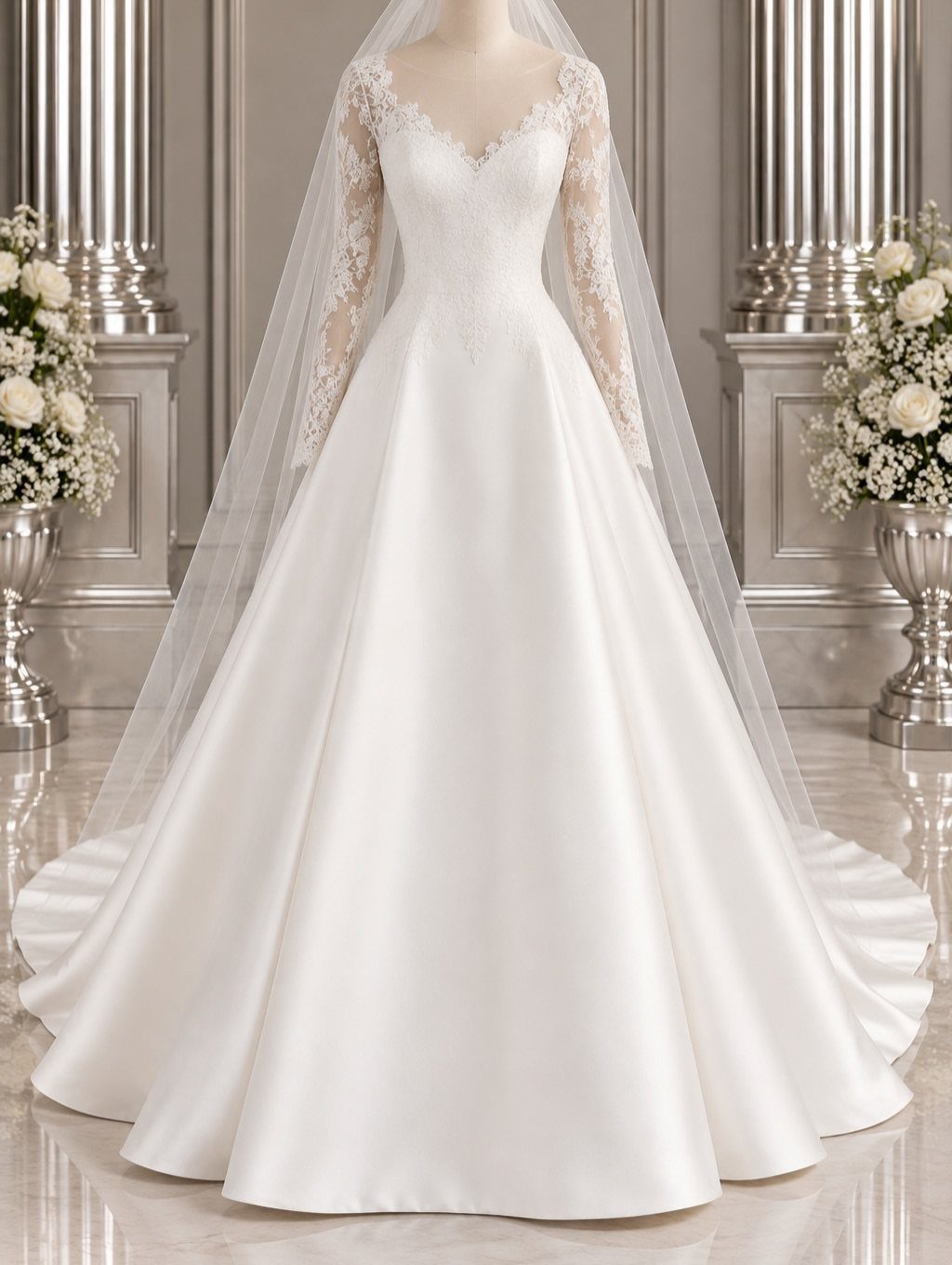
A modest wedding gown covers shoulders, chest, and back by design, not by addition.
Long lace sleeves, an illusion neckline, and a satin skirt hit all those marks in one piece. No separate topper, no last-minute panic about whether a jacket reads as too casual.
The decision here is whether you want the modesty built in or achieved through layers. Built-in looks smoother; layers give you options to remove later.
For a church ceremony followed by a less formal reception, the layered approach has its appeal. For one continuous tone, the all-in-one gown wins.
Check the sleeve length against your church’s specific expectations.
Some want wrist coverage, some accept three-quarter. Lace that goes to the wrist works in most churches; if yours is stricter, confirm before you order.

Notice:The bow on the waist needs to be tied, not existed originally

Size: Please check Our Size Chart before you placed the order.

Women's Scooped Neckline Floral lace Top Plus Size Cocktail Party Midi Dress
7. Satin Gowns
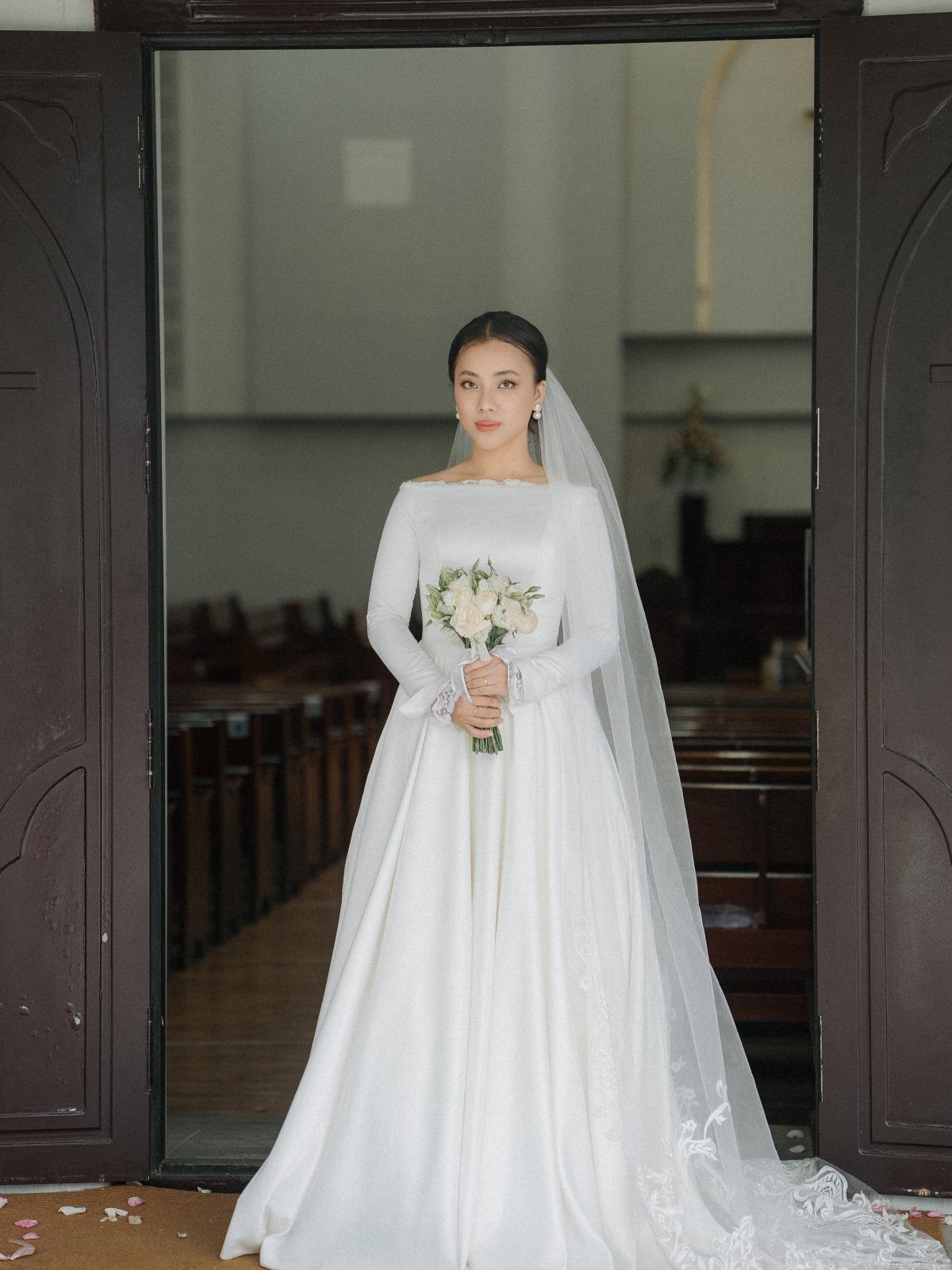
Satin catches light differently in a church than any other fabric, sliding across pews and aisle runners with a soft glow that reads as quiet money.
Long sleeves and a full skirt keep the surface from feeling too bare or too modern for a religious setting.
Fabric weight matters. A heavier satin holds its shape for standing through the ceremony and kneeling if your church asks for it; lighter charmeuse will pool and crease by the end of the hour.
Test both under the actual lights of your church if you can, not just in a boutique.
The sheen shows every wrinkle, so budget for steaming the morning of. A satin gown arrives pressed and boxed; by the time you have ridden to the church, it may not look the same.

This plus-size mermaid bridal gown features a high sheer illusion neck and full beaded long sleeves covered in hand-set rhinestones to flatter shoulders and collarbones. Its fully beaded boned corset cinches the waist for an hourglass silhouette tailored to Black women’s curves. Glossy satin forms a curve-hugging mermaid skirt paired with a detachable satin train, creating two styles for grand church weddings and casual dancing receptions.

Women's Beading Satin Bridal Ball Gown with Detachable Train Mermaid Wedding Dresses for Bride Long Sleeve

At Adrianna Papell, we believe in more than a look, we deliver a feeling.
8. Veils
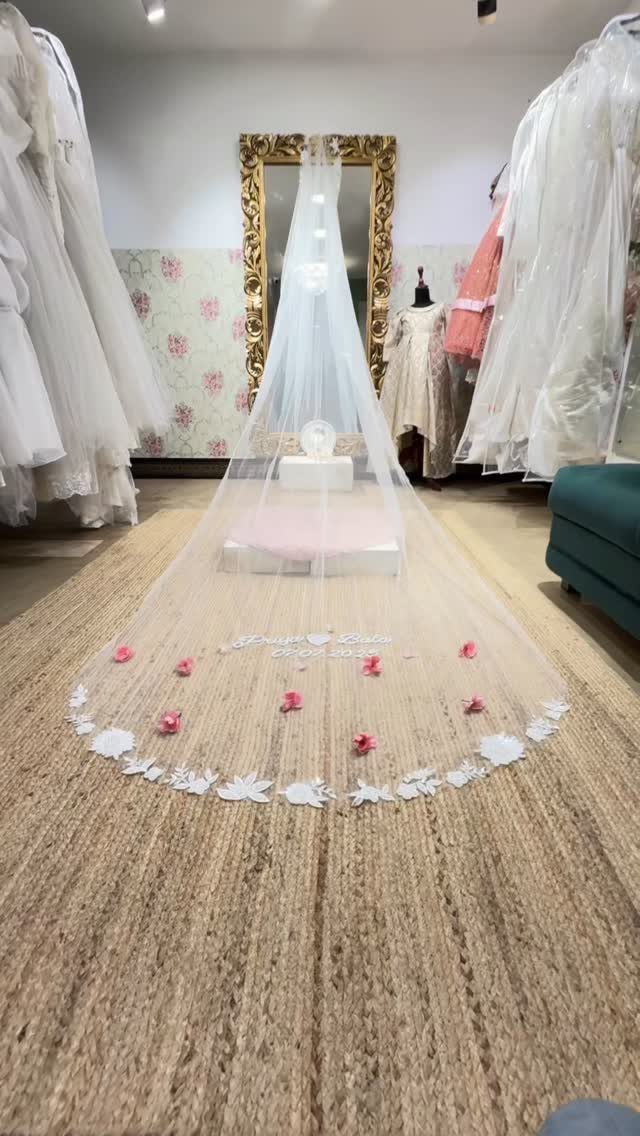
The aisle in a church runs longer than most venues give you, and a veil that trails behind turns that walk into something visible from the back pews.
Chapel length ends at the floor as you stand; cathedral length puddles well past it, enough to need someone to straighten it after you reach the front.
Embroidered tulle adds detail without adding weight.
Floral appliqué reads softer than sequins or metallic thread would for this setting. The pink petals in the shop sample would not suit every bride, but the technique itself translates to ivory or white easily.
A long veil needs a comb that grips.
Fine hair, an outdoor path to the church door, or a brisk day can all pull a loose fastening sideways before you reach the altar. Test the hold before the morning.

Features: Womens floral dress features an elegant crew neck, sheer 3/4 sleeves, self‑tie belt and curved hem with below the knee length. The flowy A‑line skirt create a simple yet classy silhouette, give you a slimming look. This midi dress is perfect for casual work and wedding

Fabric: Lace wedding guest dresses for women, crafted from quality floral lace with a soft, skin-friendly stretch lining to prevent itchiness and ensure breathable. The material is lightweight yet durable, offering a comfortable fit that moves with you, making it suitable for summer all day wear at weddings or evening events

FLOWY RUFFLE SLEEVES: Soft, ruffled short sleeves add a feminine boho-chic touch with graceful movement. Lightweight fabric creates a gentle flutter that flatters your arms and elevates any look.
9. Delicate Beading
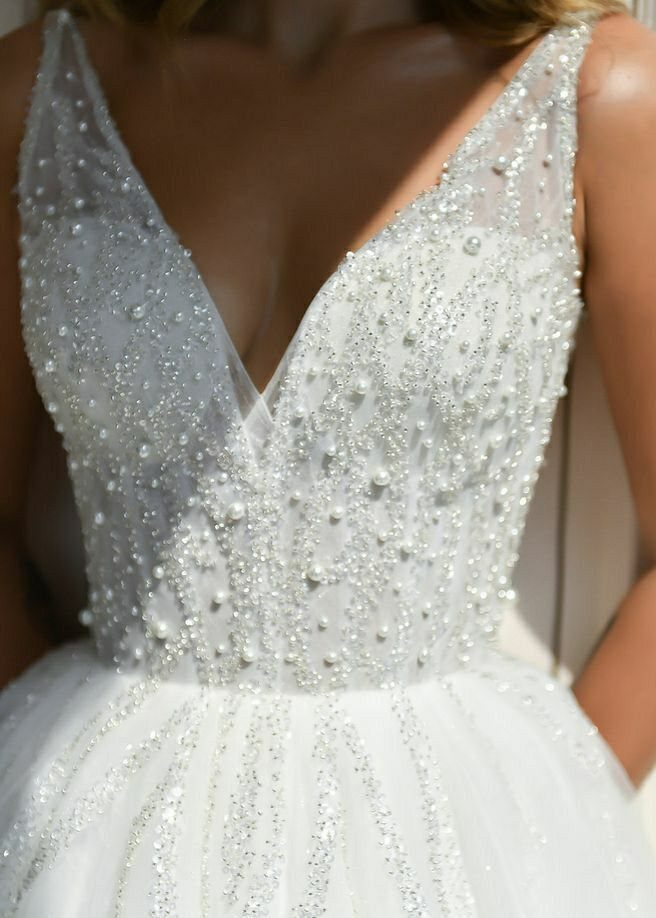
Heavy beading belongs on a stage; delicate beading belongs on a church dress.
Pearls and silver beads sitting close together across the bodice stop short of armor, letting the fabric underneath still move and breathe. Sheer straps anchor the design without adding bulk.
The placement matters more than the amount.
Concentrated at the neckline and waist, beading draws the eye upward and inward; scattered everywhere, it competes with the lines of the dress. A V-neck stays modest through the sheer panel and the beadwork that fills it.
Pearl and silver read traditional; crystal would catch more light, more aggressively. Consider your church’s interior: dark wood and low windows favor something that glows rather than flashes.
Silhouette: Aline style, scoop neckline, long sleeves, see through on the top of bodice and sleeve, decorated with applique lace, floor length, sweep transin, very unique design and cut. 100% handmade, high quality
Silhouette: Aline style, scoop neckline, long sleeves, see through on the top of bodice and sleeve, decorated with applique lace, floor length, sweep transin, very unique design and cut. 100% handmade, high quality

✿【Feature】This lace tulle wedding dress for bride features scoop neck,a line,lace appliques,floor length,long sleeve,open back, bulit in bra,with train.A perfect choice for wedding party,beach wedding, church wedding and other special occasions.
10. Accessories for Church Weddings
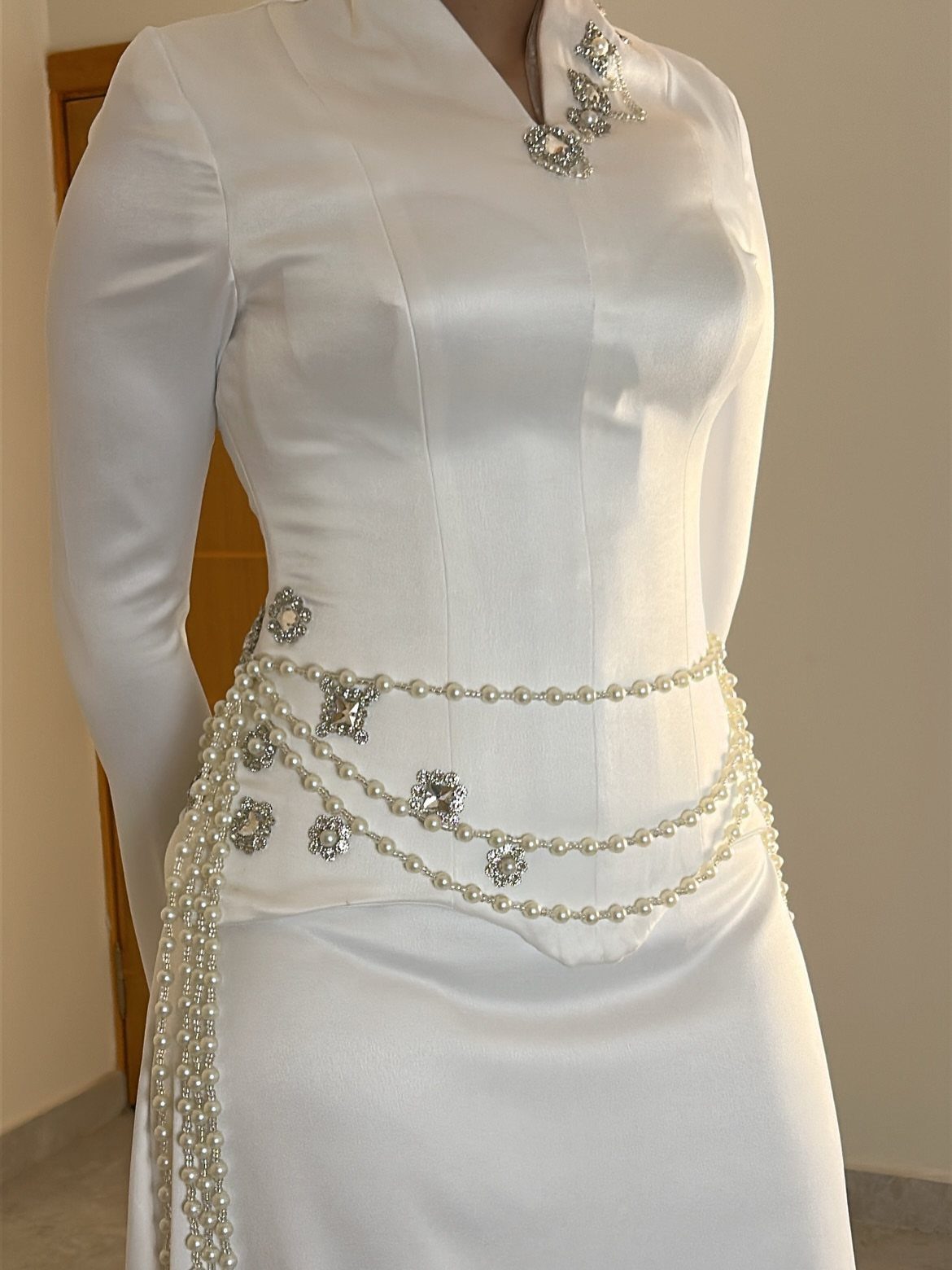
Pearl strands and crystal brooches on a satin gown give the waist and collar somewhere for the eye to rest without breaking the dress’s clean line.
A draped arrangement sitting at the waist and climbing toward the neckline is a softer choice than a single rigid belt.
I would keep jewelry lower-key than the dress.
A high neckline or heavy beading already carries enough detail; add a bracelet or earrings, not both. Classic pearls or small diamond studs fit the tone of most church ceremonies without needing explanation.
Headpieces compete with veils. If you want both, place the comb or pins where they will show after the veil comes off for the reception, not hidden underneath it.
Check the weight; a heavy piece pulled forward by tulle will give you a headache by the vows.

Polyester/Spandex,Fabric is Elasticity,Stretchy,Comfortable

Beautiful & Life: This maxi long dress is perfect for you to wear in the spring, summer, winter and fall, simple fashionable design, which shows your romance and feminine charm, suitable for all ages and various occasions
Choosing the Right Dress
Start by looking at the church itself, not the Pinterest board. A cathedral with high ceilings and a long aisle can carry a ball gown or cathedral veil without the dress wearing you.
Historic churches tend to welcome lace, long sleeves, pearl buttons, the details that read as belonging there. Modern churches give you more license for clean lines and smooth fabrics, though the coverage rules may still apply.
Some have opinions about neckline depth that no amount of sheer panel will satisfy. Ask early, then shop with that number in mind.
Wear the undergarments and shoes you plan to use when you try on gowns.
A dress that sits right with a strapless bra may not with the one you need for church coverage. Alterations can add sleeves, raise a neckline, or adjust length, but starting closer saves money and stress.
Dress Code Guidelines
The goal is respect for the setting, not a costume.
Lace or tulle over a deeper neckline keeps the line modest while the dress underneath stays modern.
Avoid beading that flashes under church lights or cuts that turn heads for the wrong reason.
The dress should not compete with the ceremony. Subtlety reads as confidence; excessive embellishment reads as anxiety.
A formal reception lets you keep that same tone through the ceremony itself. One continuous dress, adjusted with accessories, beats a costume change that leaves you rushing.
Common Mistakes to Avoid
Ignoring the church’s guidelines and hoping no one notices is the fastest way to feel wrong walking in.
Ask specifically: sleeve length, neckline, back coverage, whether kneeling is expected. A dress that fails at any of these needs alteration or replacement, not wishful thinking.
Over-accessorizing fights the dress instead of finishing it. A veil plus headpiece plus statement necklace plus belt reads as insecurity, not abundance.
Comfort matters more than the photos suggest. You will stand through a ceremony that may include kneeling, sitting in a pew, then moving through a receiving line.
A dress that pinches, itches, or requires constant adjustment steals attention you want elsewhere. Test the full range of movement at your fitting, not just the pose in front of the mirror.
Personal Style Integration
The church sets boundaries; you choose the expression within them. Lace appliqué, satin weight, pearl versus crystal, sleeve shape, these carry personality without breaking rules.
Older churches tend to invite vintage touches that a newer building would not ask for. Match the tone of the space, then make the specific choices yours.
Fabric and embellishment do the quiet work of personal style.
Lace reads timeless, satin reads refined, delicate beading adds texture without shouting. Pearls and silver suit the traditional spaces; crystals pick up more light in the modern ones.
The silhouette is the larger statement. A-line carries the whole day from ceremony through reception without a change.
Ball gown commits to formality. Midi steps back from expectation.
Each says something different about how you see the occasion. Choose the one that feels like your voice, then let the details fill it in.